Four things to know about creatine
Constructive compound
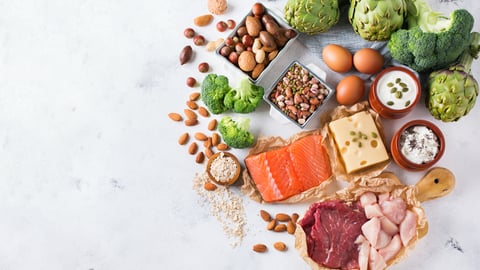
Though creatine is all the rage today, it has a history. Creatine, derived from the Greek word for “flesh,” was discovered in the 1830s when French chemist Michel Eugène Chevreul extracted the compound from meat. Creatine supports quick energy bursts and is synthesized in the liver, kidneys and pancreas. “Creatine isn’t considered an essential nutrient since our bodies produce small amount,” says Gina Nagel, holistic nutritionist at Nature’s Emporium, though eating “red meat and fish” can boost intake.
Beyond the barbell
Strongly linked to bodybuilders in the early years of popularity, many mistakenly believe creatine was similar to a steroid. A lot of that misconception has eased.
“Research now shows creatine supports much more than muscle gain—it helps with energy, recovery and even cognitive performance,” says Muhammad Mohamedy, general manager at Healthy Planet. “Once those findings reached mainstream media and social platforms, the stigma started to fade.”
Creatine has become a cornerstone of everyday wellness, agrees Caitlin McEachran, brand director of Vega in Canada and the United States, a brand that offers two powders and one capsule with creatine.
“We’re seeing more women and active lifestyle consumers adding creatine to daily routines, and retail data shows momentum is accelerating,” she says. “Its impact on muscle performance is well-established, and future research may explore benefits for cognition, brain health, mobility and bone strength.”
Chew on this
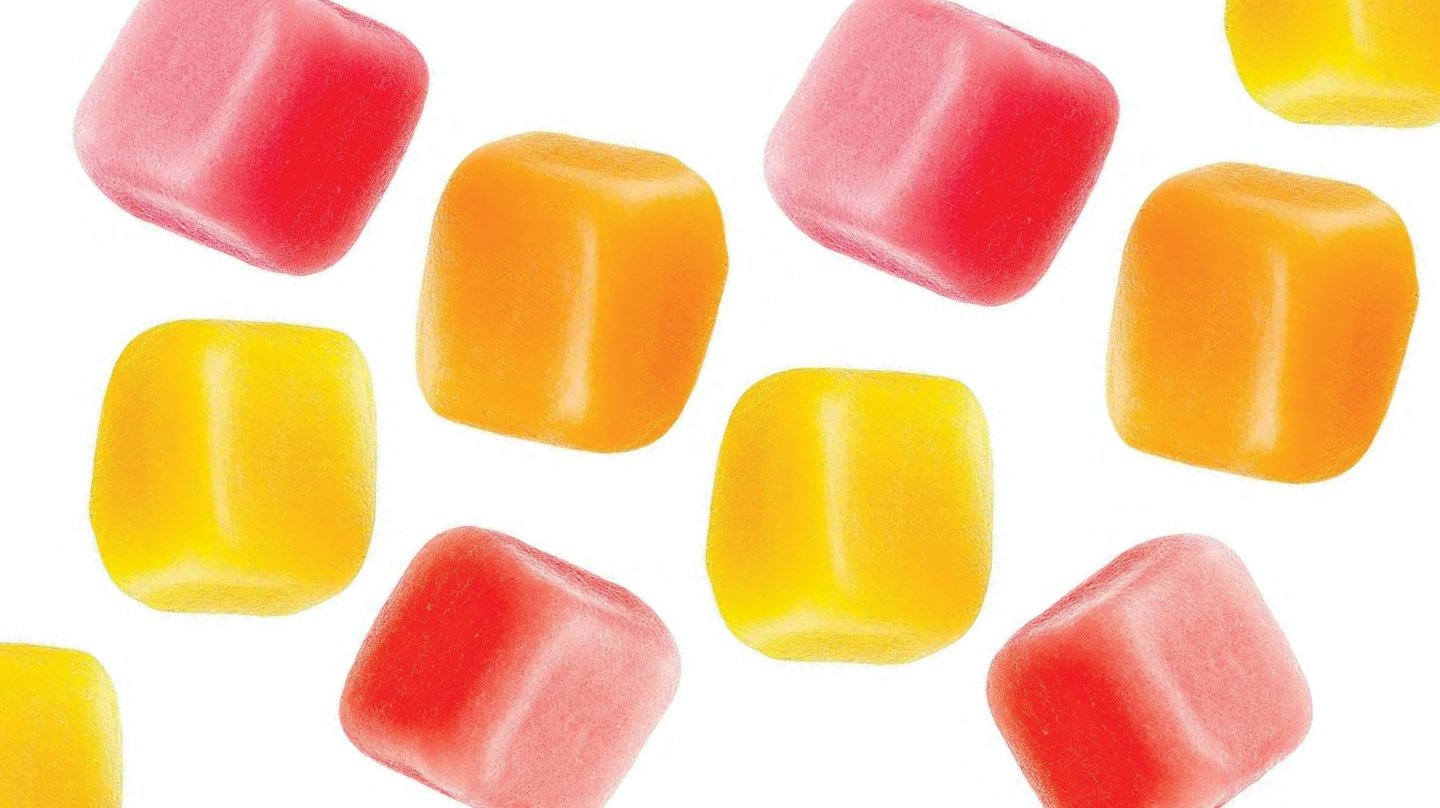
Gummies are now the fastest-growing format in the supplement space, with 200 creatine gummy launches worldwide, so far, in 2025, up from just one in 2020, according to Innova Market Insights (tracking October 2020 to September 2025). Austin, Tex.-based wellness brand Bloom Nutrition, for instance, launched sugar-free creatine gummies in Berry Boost and Orange Squeeze flavours in 2025.
“Gummies, especially, are making creatine feel as approachable as a daily vitamin—they’re bringing in younger consumer and women who may not have tried traditional sports supplements,” explains Mohamedy, noting the appeal of the various flavours. “These formats reduce friction and make consistency easier, which is critical for seeing results and driving long-term adoption.”
Brands are gaining traction in the traditional grocery space, too. Edmonton-based Gummy Nutrition Lab launched its low-sugar line, creatine Gum’vees, two years ago at local pop-ups across Alberta, in flavours like Red Berry Fusions and Creamy Mango Lassi. Today, Gum’vees is carried at Safeway and Sobeys in the province, and Calgary Co-Op through its local supplier program.
“We’re adding new stores every day,” says Jolene Ali, who co-founded the company with her husband Jim Gibbon. “Right now, it sells best alongside workout supplements, even though our research identified women aged 35 to 55 as our main audience.”
That audience, Ali explains, has grown thanks to influencers including Dr. Mary Claire Haver, a board-certified OBGYN with more than three million Instagram followers and a popular podcast, who promotes creatine to women in menopause to help prevent muscle loss and brain fog.
What’s next?
Creatine could move into functional foods and beverages such as “bars, hydration mixes or clean energy drinks,” says Mohamedy. “The challenge is technical: creatine isn’t very stable in liquid over time, so formulation innovation is key. Once brands solve that scale, we’ll see it in more mainstream foods and drinks.”
That shift may already by underway. Innova notes that while 95% of creatine launches in the past year were in sports nutrition, there are innovations in dairy, baby and toddler products, energy and soft drinks. Examples include Illinois-based Lifeway Foods’ Muscle Mates, a ready-to-drink functional beverage with 20 grams of protein, five grams of creatine and 12 live and active probiotic cultures, as well as Griego Plus, a lactose-free Greek yogurt from Costa Rica with one gram of creatine per serving.
This article was first published in Canadian Grocer’s December 2025/ January 2026 issue.