
Grocers Are Uniquely Positioned to Relieve Food Insecurity: Here’s How

Each month, food banks nationwide receive more than two million visits: a new historic record. This level of demand suggests that at any given time, millions of people in Canada are experiencing food insecurity, meaning that they’re unable or unsure of being able to buy enough food of adequate quality to satisfy their hunger and meet their nutritional needs.
“Food bankers are doing all they can to help everyone put meals on the table, but they can’t achieve that alone,” says Kirstin Beardsley, CEO of Food Banks Canada, a registered charity that supports over 5,500 food banks and community organizations across the country. “Right now, support from the food industry is even more crucial to food banks than it has ever been.”
Food Banks Canada works with partners at every stage and sector in the food supply chain, including agriculture, agri-processing, food manufacturing, storage, transportation and retail.
These partnerships can take many forms: some companies and associations make regular, planned product donations, while others make ad-hoc contributions such as product overruns, production errors and close-to-code items. Some offer in-kind services, make financial investments, and/or fundraise for Food Banks Canada through employee and customer engagement programs or cause-marketing and promotional product campaigns.
In every case, Food Banks Canada works to create shared value with its partners, elevating their brands and supporting their business objectives alongside their corporate social responsibility goals.
In addition to these possibilities, the grocery sector has a unique opportunity to relieve food insecurity while reducing food waste. Through national-level partnerships with retail corporations, Food Banks Canada matches individual stores with nearby food banks to divert surplus food. Last year, these arrangements collectively recovered around 19.1 million pounds of food from hundreds of store locations from coast to coast to coast.
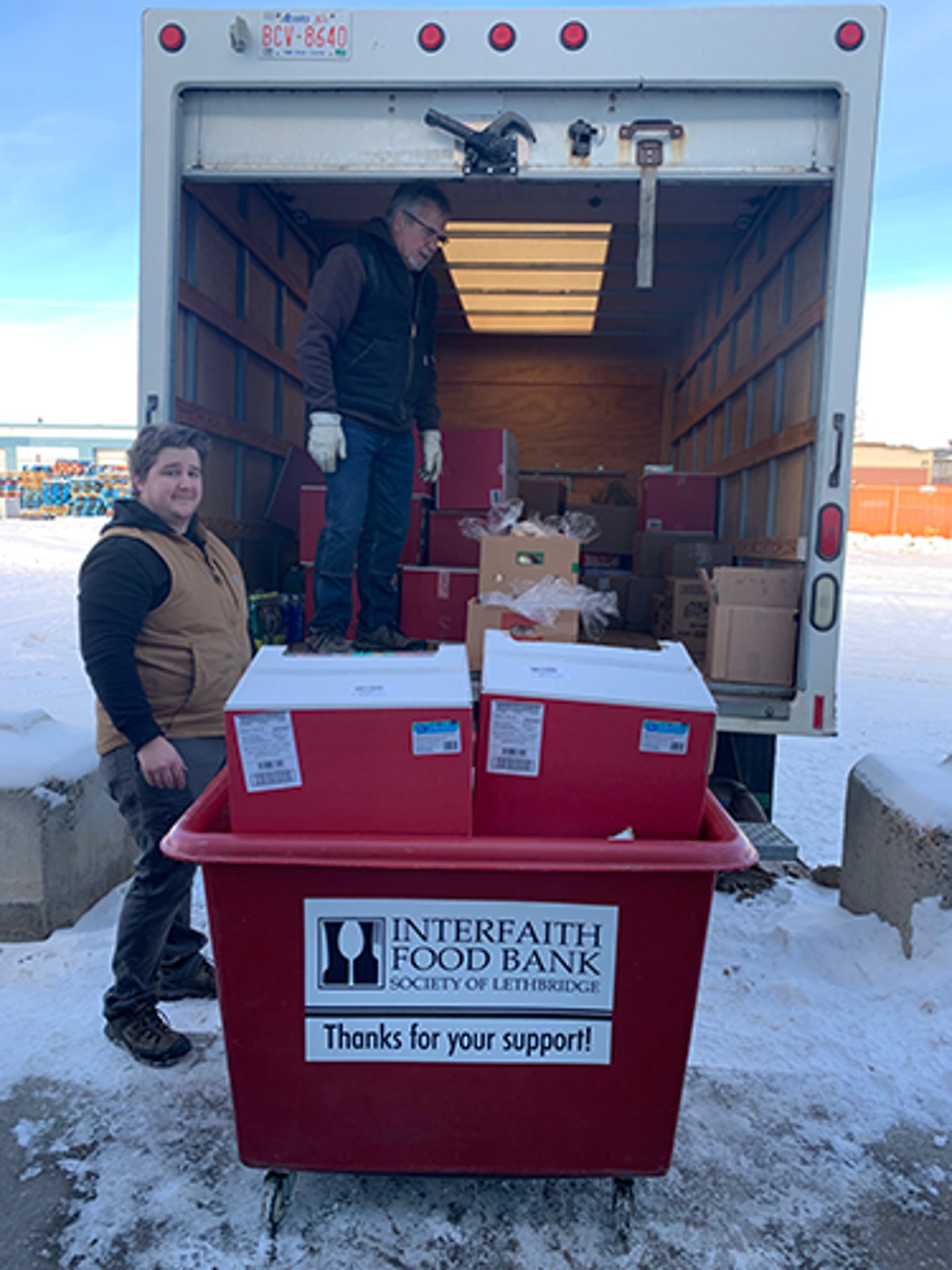
These partnerships offer peace of mind to grocers. Local organizations affiliated with Food Banks Canada are trained in safe food handling, and provincial Good Samaritan Laws protect those who donate food in good faith from liability risks.
Food Banks Canada celebrates its “grocery heroes” on its website, reports and social-media feeds. It can also work with grocers to organize in-store food drives, checkout roundup campaigns or other initiatives that bring additional visibility to the retailer’s commitment to food security while directing even more resources to food banks.
Mutual Benefits
The impact is substantial for both partners. For their part, grocers manage their surplus inventory in a safe and reliable way, ensuring it reaches the people who need it the most. A broad academic and industry research base indicates that meaningful charitable partnerships tend to boost employee retention, brand perception and customer loyalty.
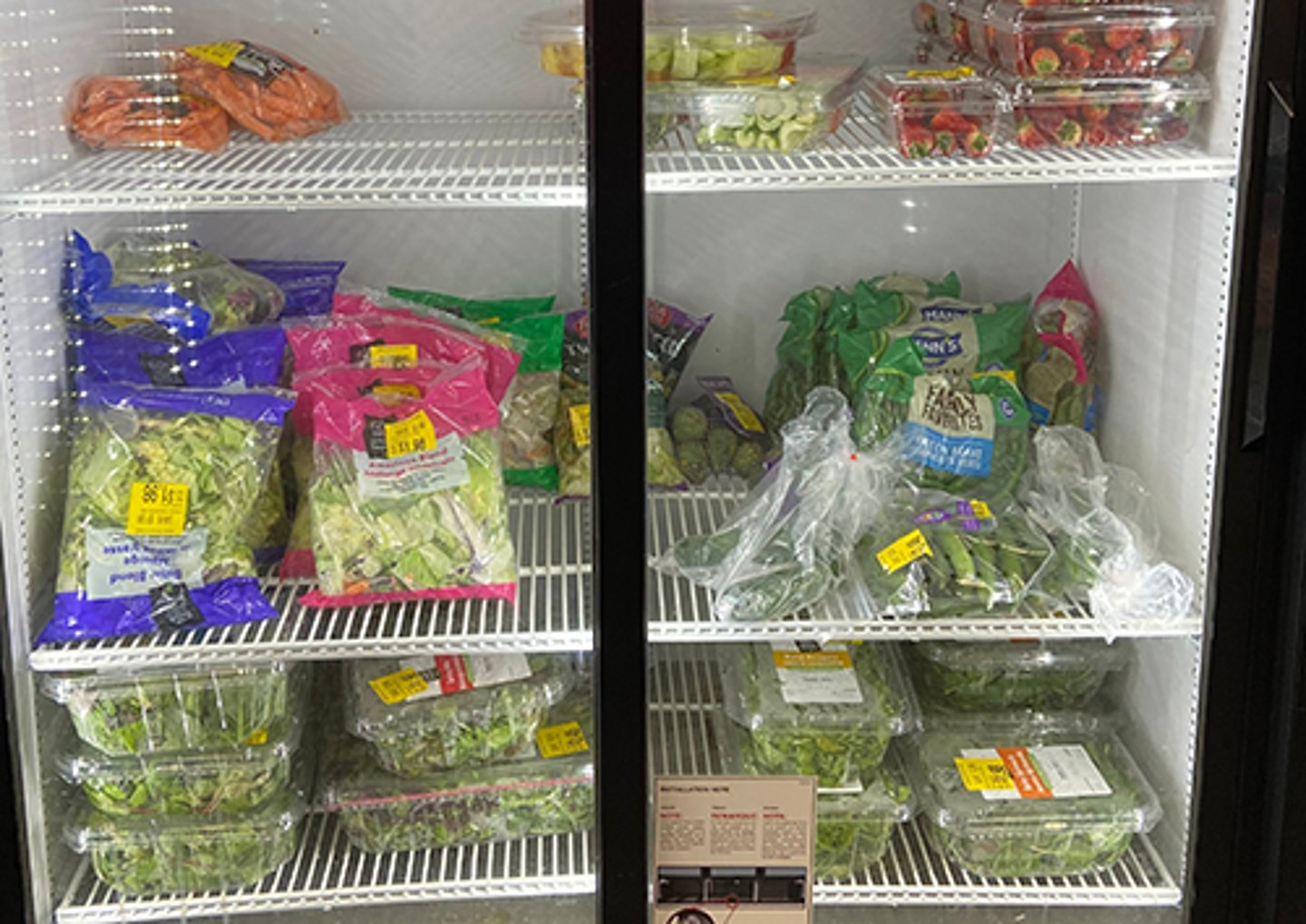
Meanwhile, food bankers are empowered to serve the community better. “We’re just so grateful,” says Amy Pillage, program coordinator for the Edson Food Bank Society in Edson, Alberta. “Our clients get a wide assortment of items from these recovery offerings (including a full vehicle of freezies this summer!) that they normally would not have access to. We would absolutely have to scale back on our food hamper sizes without the incredible support of our local store.”
Grocers are positioned to boost their sustainability, send a positive message to their communities, and join many other businesses across the food industry in the movement to end hunger in Canada. To learn more, visit https://foodbankscanada.ca/how-to-help/corporate-partnerships/%3C/u%3E%3C/a%3E%3C/p%3E