Health Canada warns of rare vision loss risk with Ozempic and other semaglutide drugs
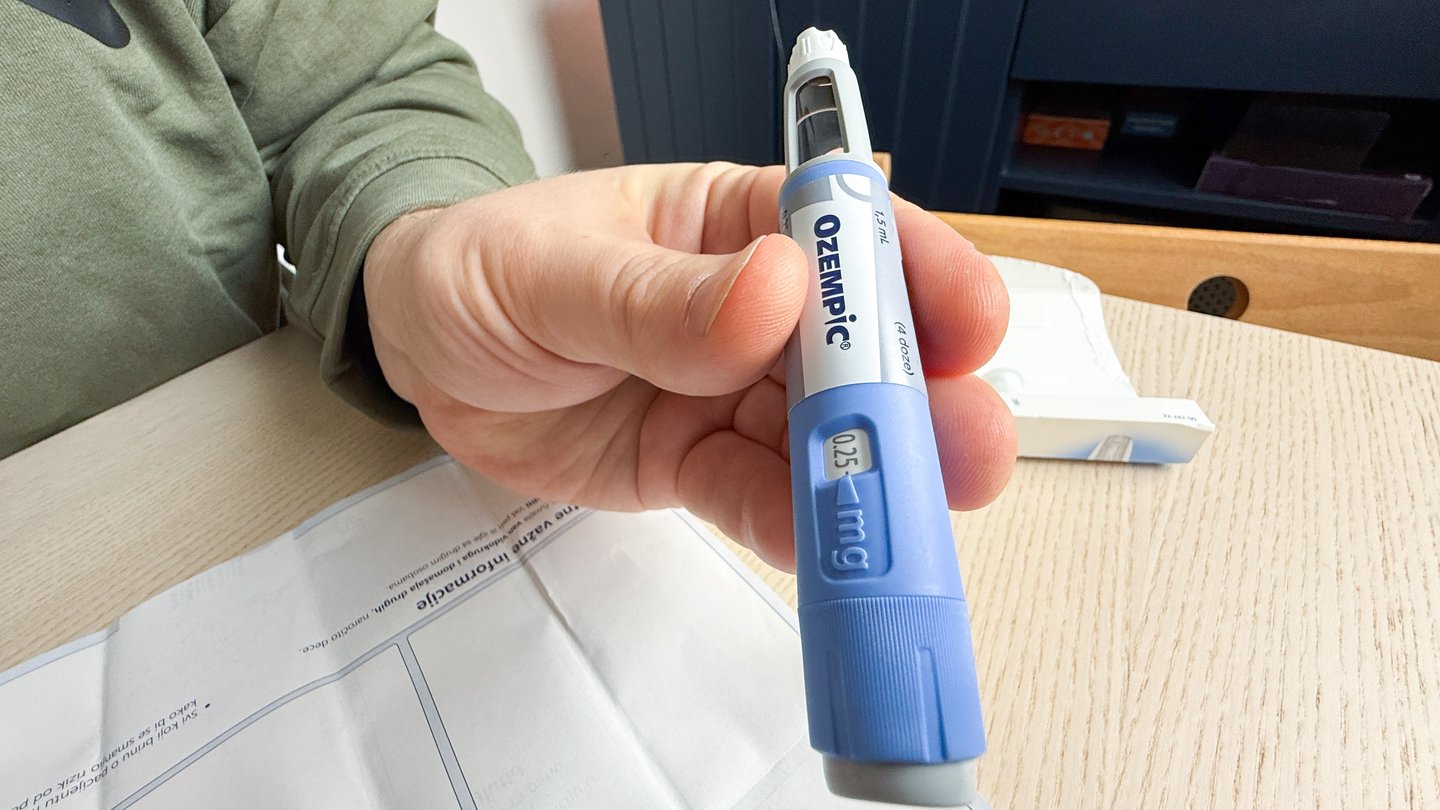
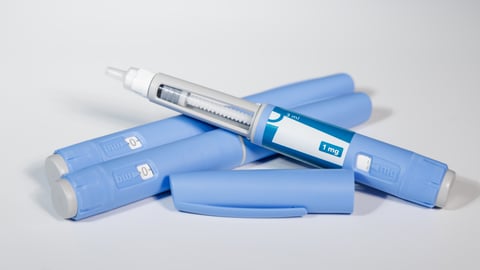
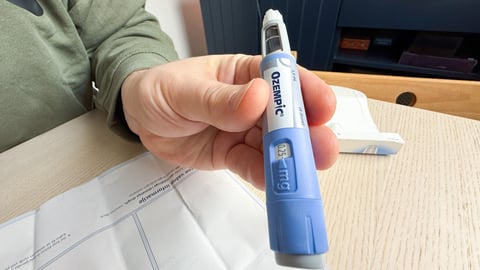
Health Canada has issued a warning about a "very rare" risk of vision loss with Ozempic, Wegovy and other semaglutide drugs.
In the warning issued Wednesday (Nov. 25), the department said it has completed a safety review "that found a possible link between prescription semaglutide drugs and the risk of non-arteritic anterior ischemic optic neuropathy."
The eye condition, also known as NAION, "causes sudden painless vision loss or vision changes due to reduced blood flow to the optic nerve."
Health Canada said it is working with semaglutide manufacturers to include warnings about the condition in their product monographs.
Patients taking the diabetes and weight loss drugs should talk to their health-care provider about the potential risks before taking them, the warning said.
Anyone currently taking semaglutide should get urgent medical attention if they experience blurring, cloudiness, rapidly worsening sight or sudden vision loss.
Health Canada said its safety review focused on semaglutide drugs, but it is also assessing the risk with all other GLP-1 drugs.
Earlier in November, the U.S. Food and Drug Administration announced manufacturers of all GLP-1 medications —including tirzepatide drugs Mounjaro and Zepbound—must add a warning about NAION to their product labels.
Non-arteritic anterior ischemic optic neuropathy is the most common type of damage to the optic nerve in adults over 50, Health Canada's summary of its review said.
People with diabetes, high blood pressure and high cholesterol are at increased risk for the condition.
The link between semaglutide and NAION "is not fully understood," the summary said, but a rapid drop in blood sugar levels after using the medication "may cause swelling of the optic nerve and reduce its blood supply, especially in individuals with other risk factors."
It's not known how long it takes symptoms of the condition to develop, the summary said.
In an email on Wednesday, the Canadian Association of Optometrists said it has been aware of the rare risk of NAION "for some time."
"If you're starting a GLP-1 medication and haven't had an eye exam in the last year, it's a good idea to get your eyes checked. It's also important to let your optometrist know that you're taking the medication," said Dr. Allison Scott, the association's president.
"Anyone experiencing sudden vision loss should seek immediate eye care. An optometrist can assess the issue and, where necessary, facilitate an urgent referral to an ophthalmologist," she said.
Novo Nordisk, the manufacturer of Ozempic, Rybelsus and Wegovy semaglutide medications, said Health Canada has previously communicated with GLP-1 manufacturers about NAION and the company identifies the condition in its product monographs.
READ: Why pharmacy is an ‘attractive growth driver' for grocers
"Patient safety is a top priority for Novo, and we take all reports of adverse events very seriously," said Kate Hanna, spokesperson for Novo Nordisk, in an emailed statement on Wednesday.
"Novo remains confident in the benefit-risk profile of our GLP-1 medicines, when prescribed as indicated," she said.
"We recognize that adverse events can have a profound impact on patients and their families. We continue to monitor the safety of our medicines, review new research and work with health authorities around the world."
This report by The Canadian Press was first published Nov. 25.