Ontario’s small grocers say rules around wine sales ‘make no sense’
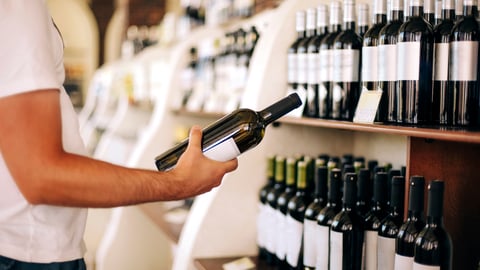
Robert Galati would like to sell wine at his North York, Ont. grocery store, Galati Market Fresh, but if he applies for a license, he’ll be required to install a wine kiosk that stocks only Ontario wines. That’s because he currently only has a beer and cider license.
Galati estimates 150 grocers in Ontario are in his situation.
“I did not want to go down this road. I want to sell all wines,” Galati says. “Why would I want to commit to a kiosk that is going to tie me up only with Ontario wines for five or 10 years?”
He adds that grocers without a beer license who apply for a wine license do not face those requirements: “It makes no sense to me.”
Gary Sands, senior vice-president policy and advocacy at the Canadian Federation of Independent Grocers (CFIG), says recent changes by the Ontario government have leveled the playing field somewhat for food retailers.
A contentious requirement for licensed grocers to accept bottle and can returns for recycling was lifted last November. Ontario also eliminated its wholesale discount rate that favoured convenience stores, bars and restaurants. Grocers that sell alcohol also now have full access to the LCBO catalogue and pay the same prices as the LCBO.
But Sands says wine kiosk requirements for grocery stores remain a stumbling block. The requirement does not apply to convenience stores.
An added problem is that many independents do not have the space to install wine kiosks in their stores, Sands says.
Galati agrees that most independents have small retail footprints, but says his primary complaint is the limitation to Ontario wine.
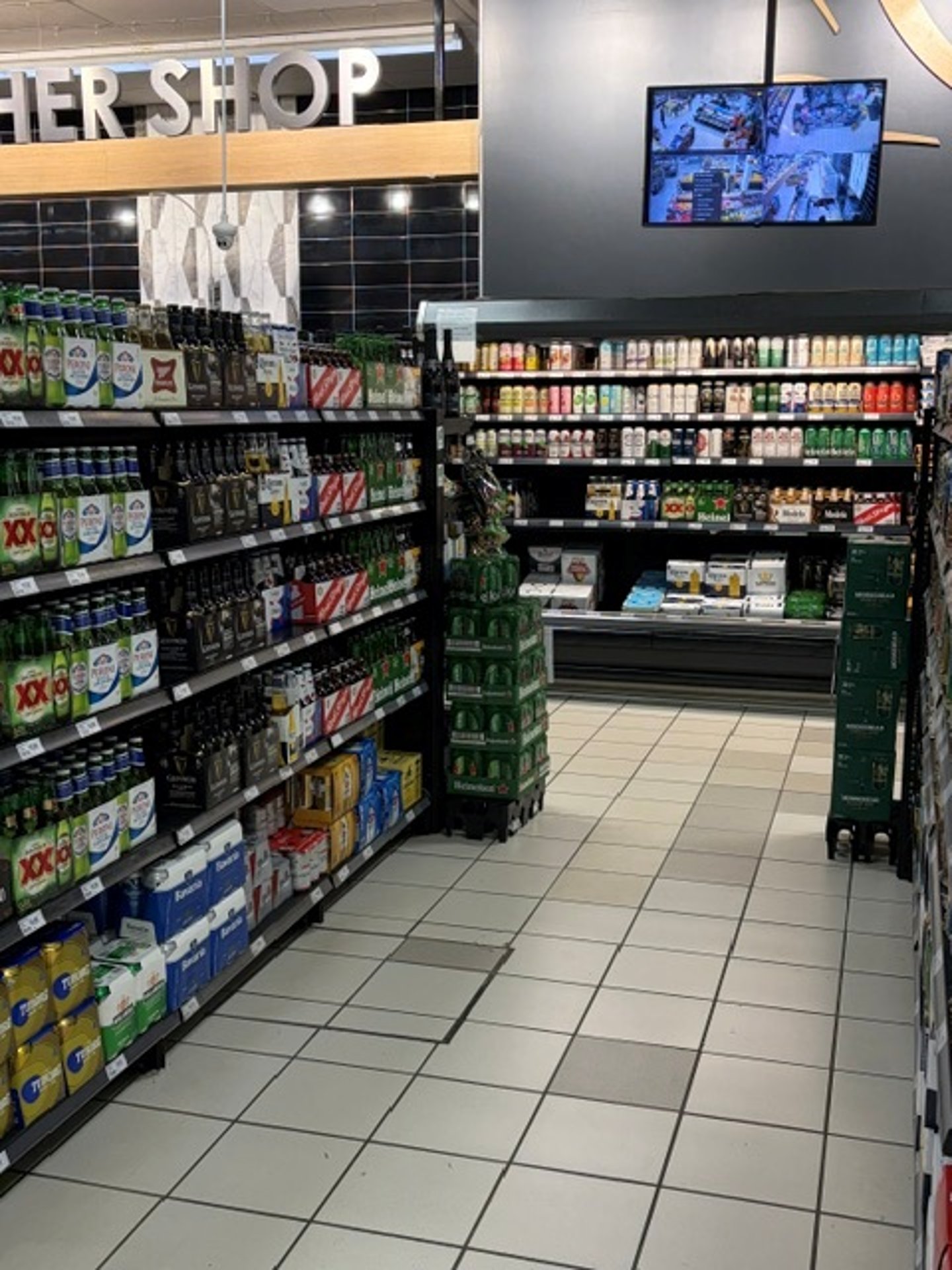
Beer sales at Galati Market Fresh store have fallen since convenience stores began selling beer, but Galati believes his customers would buy wine—if he had a kiosk. He hopes to sell wine from around the world.
Sands says the intent of the regulation is to stimulate Ontario wine sales, but the reality is “the opposite.”
“While provinces are looking at removing interprovincial trade barriers, I think the Ontario government needs to look at its own internal trade barriers and remove those. This is one of them,” he says.
Sands says the CFIG has conveyed to the government that removing the barrier will lead to independents selling more Ontario wines. Given the current trade war with the U.S., “If consumers have a choice, right now they’re going to be opting for anything Canadian.”
Galati is confident that pressure on the Ontario government will lead to the requirements changing within the next year for grocers with beer licenses that also want to sell wine. “Something like this is a no-brainer.”
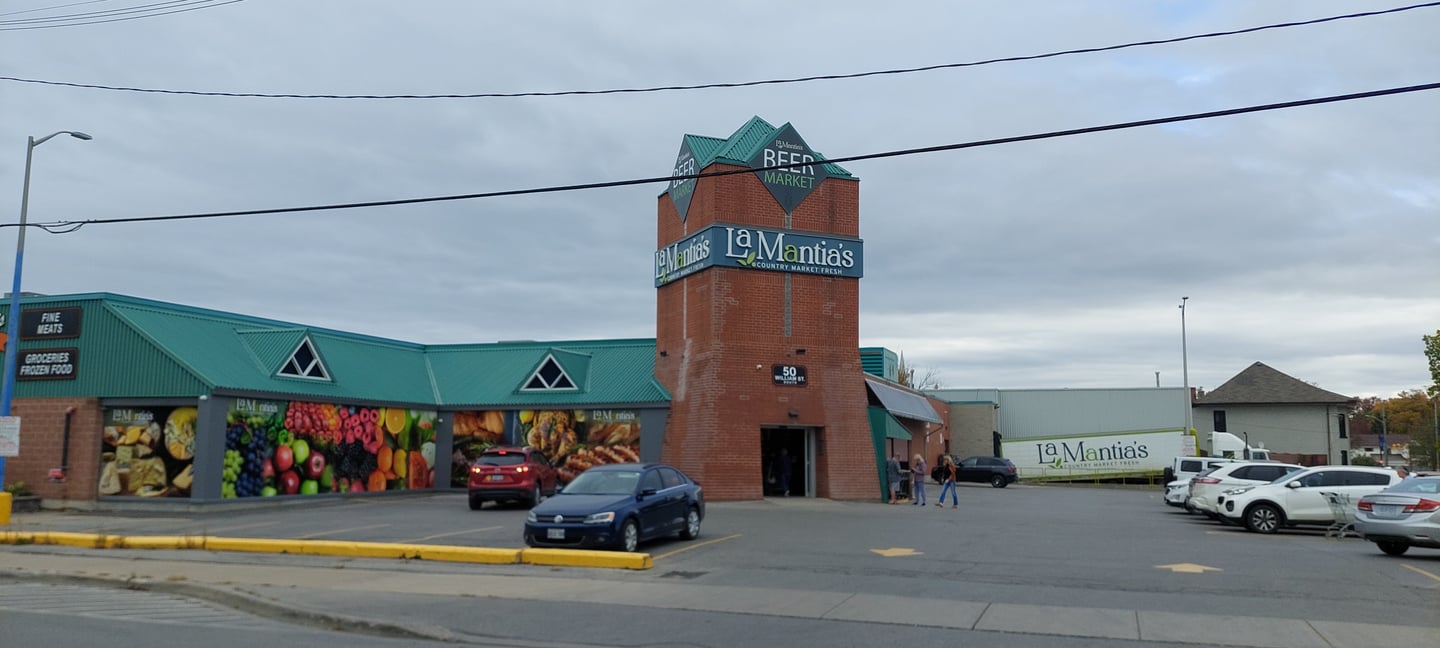
David La Mantia, whose La Mantia’s Country Market Fresh in Lindsay, Ont. has had a full beer and wine license for years, says profit margins are low for alcohol, but it helps to bring in traffic. “Wine is steady or up slightly because we’ve expanded our selection. The ready-to-drink category is definitely up and seems to be the growth area,” he says.
READ: Harvesting growth with beer and cider
Still, La Mantia says there is room for improvement. He says a promise that consignment wines would be made available to grocers so that they could differentiate themselves from their biggest competitor, LCBO’s retail division, has not happened.
“Our bottle shop competitors at restaurants have full access to all these consignment wines, yet we’re denied access,” La Mantia says. “You’re kind of fighting with one arm tied behind your back.”