Research shows best before confusion fuelling food waste—and grocers can help
Consumer confusion over Best Before dates continues to be one of the biggest—and most preventable—drivers of food waste in Canadian households, according to a new national study commissioned by Too Good to Go, in partnership with Dalhousie University’s Agri-Food Analytics Lab. Best before dates are created to reflect quality, not safety, yet the research shows that many consumers don’t know the distinction.
While 70% of Canadians understand what the Best Before date on food labels means, one in four are still discarding products past that date even when edible. Forty per cent of Gen Z respondents (aged 18 to 24) did not know the meaning of best before dates at all. The data also revealed that Canadian households estimate throwing out $246 worth of food per year due to confusion around these dates.
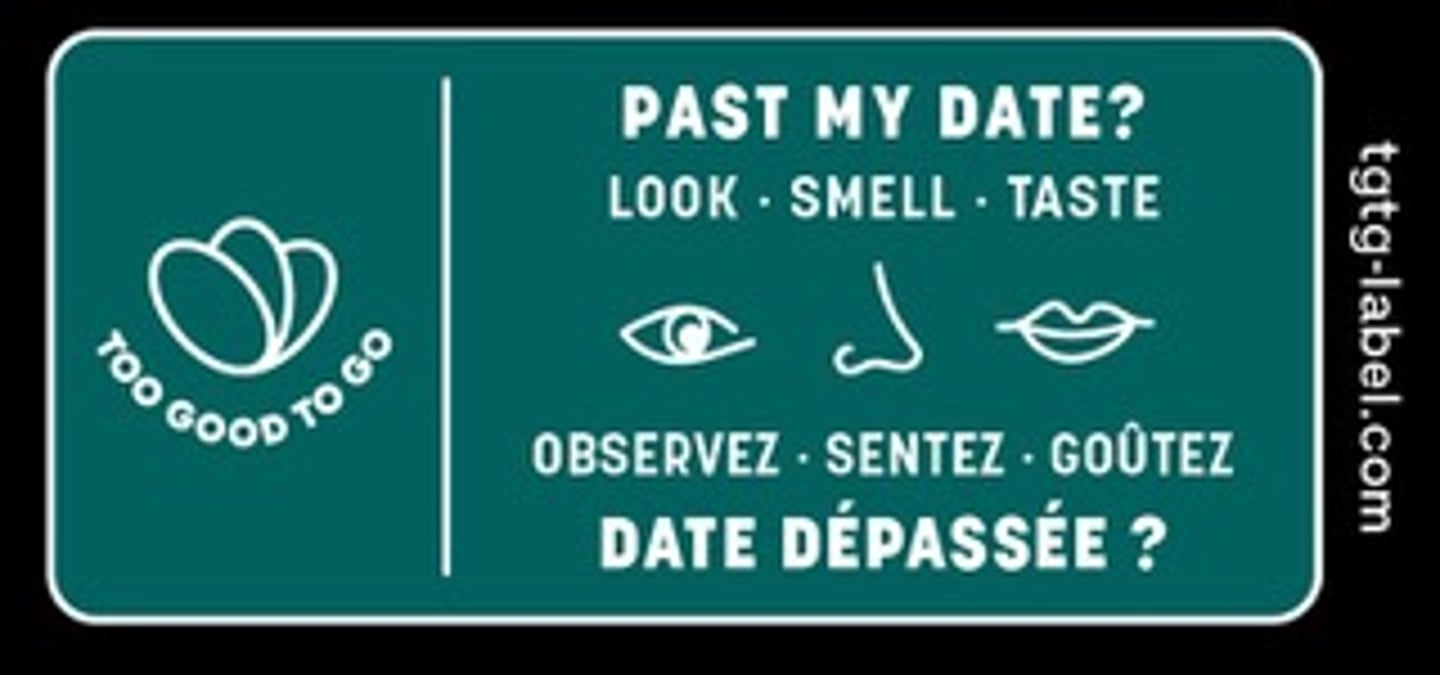
“What really surprised me…is that the majority know they can trust their senses [look, smell and taste] past the Best Before date but they still don’t act on it,” says Kathelijn Van Elk, head of Impact Programs at Too Good To Go, a global company focused on fighting food waste.
READ: Look, smell, taste: Canada's recipe for reducing food waste
Dr. Sylvain Charlebois, senior director at Dalhousie’s Agri-Food Analytics Lab, says a lot of Canadians think these dates are based on scientific fact, when they’re actually set by the industry. According to the Canadian Food Inspection Agency, the Best Before date only indicates how long an unopened product will maintain its optimal freshness and flavour, not its safety. Products with a shelf-life longer than 90 days are not required to carry this date at all.
Last June, Too Good To Go launched its ‘Look-Smell-Taste’ initiative in Canada—its first market outside of Europe—to encourage Canadians to use their senses before discarding foods past their Best Before date.
Today some 15 companies in Canada have joined this free initiative displaying Look- Smell-Taste labels on more than seven million products annually. But Van Elk stresses the need for many more food producers and grocers to get on board. “We know the more the label is on products the more likely consumers will change their behaviours,” she says.
Where grocers come in
In Canada, where almost half of food waste occurs at the household level, Van Elk points to the grocery store as a key source of information around Best Before dates. In addition to adding ‘Look-Smell-Taste’ information to their private label packaging, she says grocers have an opportunity to raise awareness and educate consumers with signage in-store and via flyers and online newsletters too. “When a partner signs up, we take them through the process and have labels of all sizes to fit various displays and artwork,” she says, noting that it’s essential to also educate staff who may be misinterpreting Best Before dates and wasting food in the process.
As food prices continue to rise, Dr. Charlebois expects more and more consumers will be open to rethinking Best Before dates to save money. “What I notice with grocers is that they tend to put [less fresh] products in obscure places in the store, and maybe there is a better way to upsell them,” he says. “I’m also not sure grocers are doing a good enough job in showcasing their partnerships with food rescue apps like Too Good to Go—and they should be.”
READ: Canadians more inclined to eat near-expired or expired foods as prices remain high: Survey
The fact there are Best Before dates on products that don’t need them is further adding to the confusion. “Honey, salt and sugar shouldn’t have Best Before dates at all,” says Dr. Charlebois. Similarly, cereal and bottled beverages are being discarded prematurely due to date stamps.
“Of course, if you’re a pregnant woman, child or elderly person you want to be careful, and every consumer will have their perceived risk and we have to respect that too,” he adds.