Researchers find benefits in using more of the plants we grow to produce food
A new study looks at a new way of producing food in hopes of making it more nutritious, affordable and sustainable.
Alejandro Marangoni, a food scientist at the University of Guelph, and his new study looked at a model that designs food based “from field to colon.” The process would use raw plant materials such as seeds, pulps, husks or microbial elements in food production.
Much of the food we buy is processed using components taken from whole food, the likes of starch, protein and fat. The components are then reassembled in some fashion to make the products found on store shelves, he explained.
“But by purifying it, you decrease a lot of the micronutrient content of it,” he explained of processing for individual components.
This purification removes some of the nutrients, but in turn makes it easier to control how they behave, such as getting the desired texture and product stability.
“Now, most of the food industry doesn’t want to deal with impure stuff, but it’s because it can be variable,” noted Marangoni.
Whole plants, for instance, aren’t always conducive to the likes of manufacturing products, which, for most companies, is the most important part of the process.
“Nobody really pays too much attention to you know how digestible this food is, whether it’s positive to our microbiome.”
That is what makes this new thought process about embracing the complexity of food and learning how to use the natural ingredients.
There are a few examples of this process, including when making protein-based food, which usually uses protein isolates, similar to those used in shakes and pre-workout powders. They do not use the entire plant.
“Now you would work with the entire flower, which is not only protein. It also has starches and it also has fibres, but you would have to learn how to work with that material,” said Marangoni.
“They can incorporate that into foods, because that would be equivalent to almost eating all grain–a whole legume seed, instead of a highly purified version of it.”
Embracing this complexity also goes hand in hand with understanding how we digest food and its impact on our gut health.
“If I eat too many veggie burgers like Beyond Meat, I end up with a gut ache, and it seems to be doing terrible things to my microbiome the next day.”
The design of food products might also be the cause of sensitivities and intolerances, he suggested.
“We eat a lot of fruits and veggies that are coated in preservatives that somehow affect our gut microbiome and produce inflammation.
“People say, ‘Oh, I have an allergy to that’ or ‘I have a sensitivity to that,’ but that’s because nobody’s designing the food to address how it’s actually digested and absorbed.”
Designing food by using more raw versions of crops will not only create more nutritious food, but also enable a sustainable process.
The “field to colon” process would help shift the food industry away from the current process, which discards a significant portion of crops, to making use of more of what’s harvested.
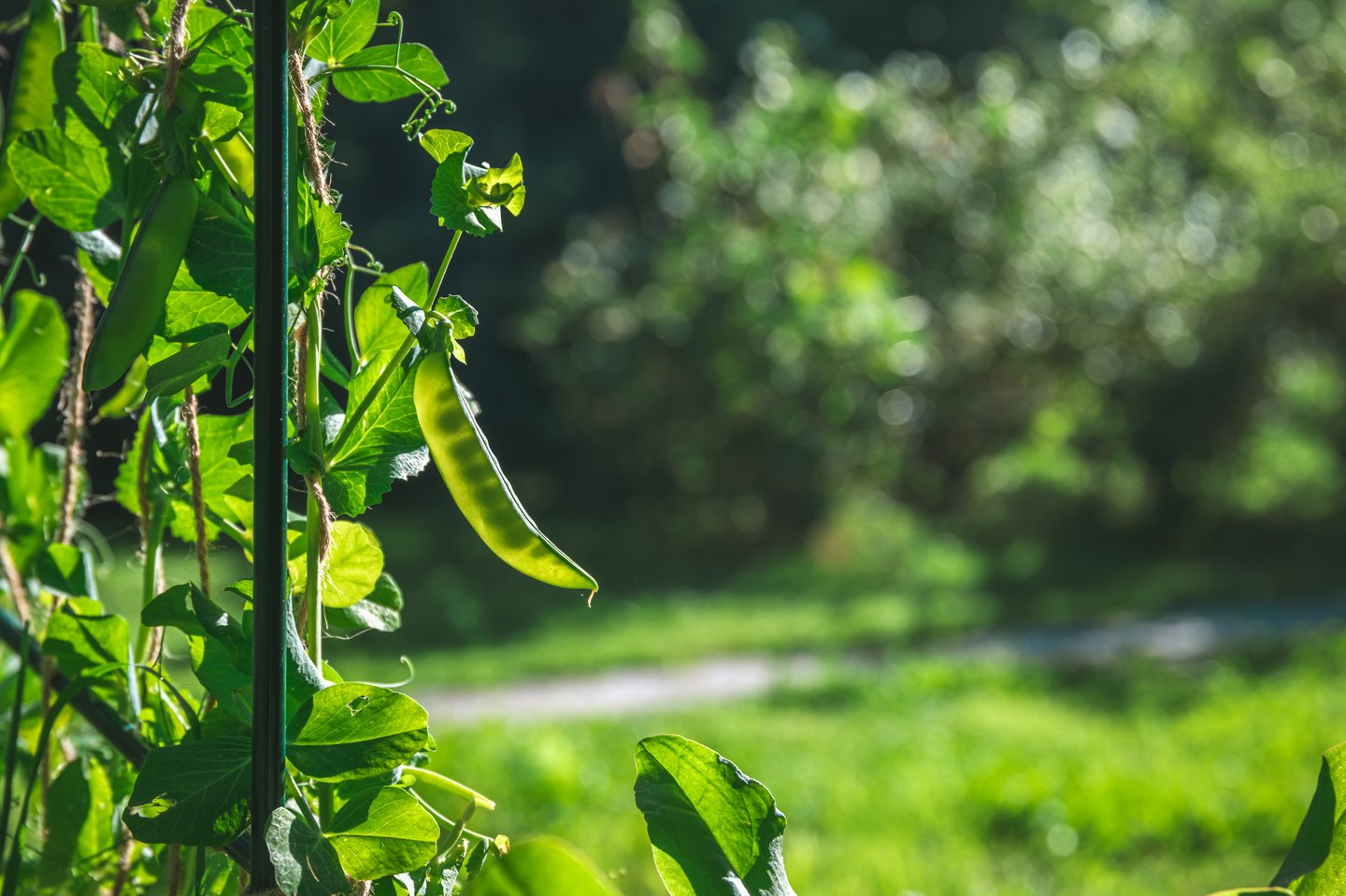
“Now look at a pea. It is a complete food. You make your mushy peas, you eat them next to your potatoes, and you have eaten a pea. Now that thing is the protein which is only 20% of the plant, believe it or not,” he explained of how many of the peas grown today are used as stock to extract protein.
“So here we are taking a perfectly fine food, isolating some of it. If you get lucky, 18% of the stuff, 20% is protein, and then you’ve created 80% waste. It’s ridiculous.”
Using the new technique on a product such as chocolate would make the process more sustainable, researchers found.
“Current chocolate production, for example, wastes up to 75% of the cocoa fruit as it discards the pulp and husk. Researchers propose making chocolate with the concentrated juice of the cocoa fruit pulp and the sweet gel from the cocoa pods instead of cane sugar,” according to a university release on the research.
That would not only prevent food waste while producing a similar product, but it would also reduce greenhouse gas emissions.
Marangoni noted that many new plant-based products, like those used to make cheese and meat products, can use the same process. Field to Colon would come with many benefits to consumer and producer alike, said Marangoni.
“Fuller, more natural taste, greater satiety, more nutrition — and at lower cost,” noted Marangoni in the release. “This is not about going ‘back to the roots.’ It’s about moving forward by reconnecting with them.”