
Rising to the top: The packaged bakery trends you need to know about
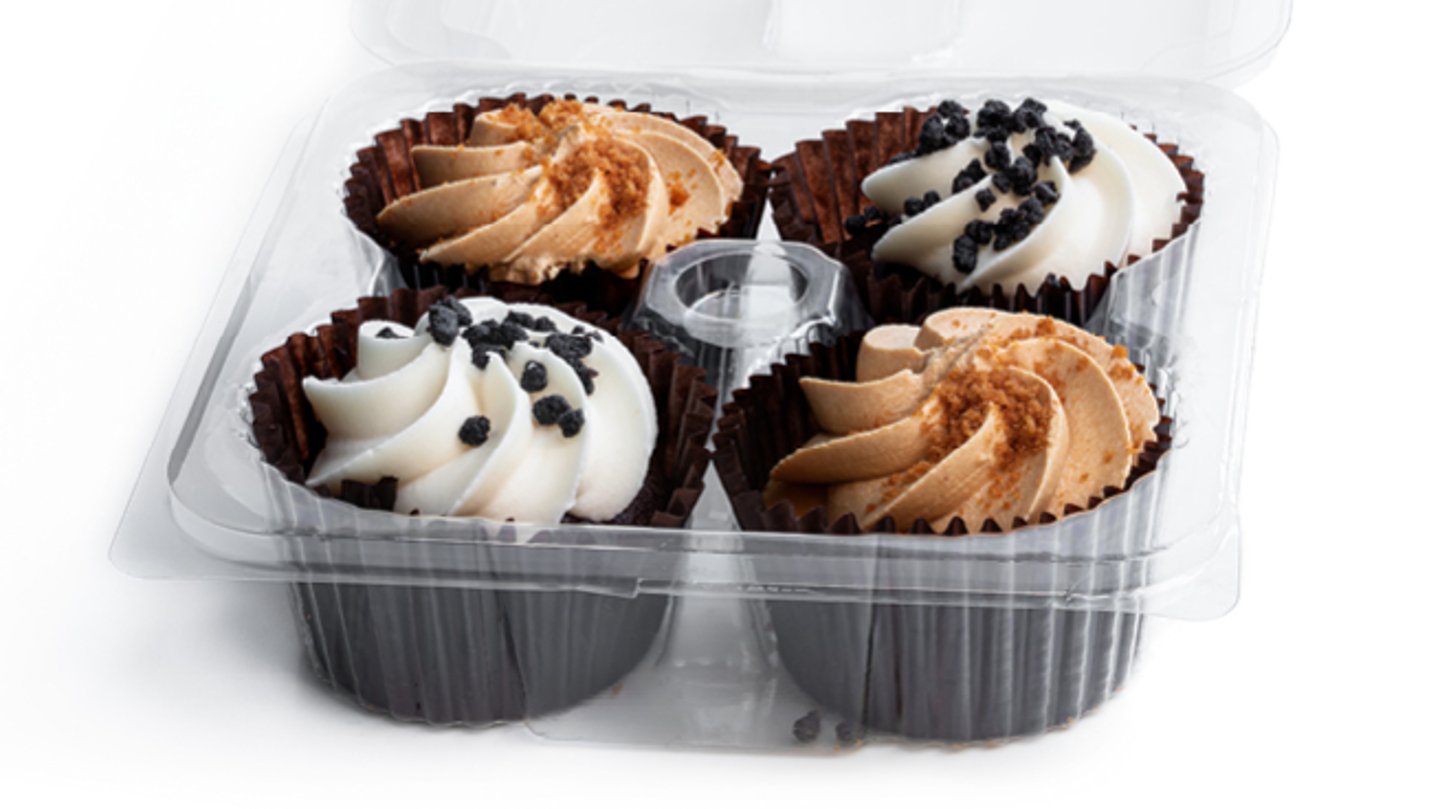
With myriad options to suit every kind of eating occasion, from breakfast through dinner and all the snacks in between (and before, and after), the bakery section is one of the true anchors of any grocery store. It’s where consumers can find familiar comfort foods or feed an adventuresome palate. The home of sweet indulgences, sandwich staples and creative ingredient combinations.
For grocers, it pays to offer such a wide variety of packaged baked goods, because in these times of financial belt-tightening, Canadians want more from these products than ever.
“Consumers want everything to do double-duty,” says Jo-Ann McArthur, president at Nourish Food Marketing in Toronto. “Satiate me, comfort me, provide some nutrition for me—and then it’s worth the money.”
If sales figures are any indication, Canadians appear to be finding the value they’re seeking. The Government of Canada reports $11.2 billion in retail sales of baked goods in 2023, making it the second-largest packaged food segment in the country.
These statistics suggest a rosy forecast for packaged baked goods, which are primed to remain a staple of Canadian diets. Still, underneath this steady performance lies a category that is changing rapidly. When it comes to the specific food items consumers are choosing from the bakery section, large-format, heavily processed products are giving way to functional ingredients, artisanal craftiness and smaller versions of nostalgia-tinged desserts.
What’s more, Canada’s shifting demographics are also having an impact.
“Cultural diversity and ethnic offerings are adding excitement, with more naan, roti and global-style flatbreads showing up on shelves than ever before,” says Maryna Shcherbyna, senior marketing manager at Bimbo Canada, a company whose brand portfolio includes Dempster’s, Villagio and Stonemill breads, as well as sweet treats from Vachon and Hostess.
Matt Dill, director of category management—fresh at Ontario grocery chain Farm Boy, says today’s shoppers aren’t just picking up baked goods, “they want a meaningful experience.”
What makes an experience with baked goods meaningful? The following trends provide a few key clues:
The Functional Edge
Recent years have seen an increasing emphasis on functional ingredients across most food categories, and baked goods are no exception. Health-conscious consumers want their bread—and even their sweet treats and desserts—to do more than fill them up. They’re looking for everything from a protein boost to a fibre infusion to prebiotics.
As research firm Innova Market Insights reports, “consumers are prioritizing preventative health measures, further driving demand for products that support well-being.” One of the top health-related trends, as it is in many other categories, concerns protein. According to Innova, one in five global consumers cite baked goods as their preferred protein source.
READ: How companies are meeting the demand for protein-rich products
It follows naturally, then, that retailers and manufacturers have been adding more protein power to the bakery section. Unbun, for instance, offers bread boasting more than 20 grams of protein per two-slice serving, while Country Harvest’s Whole Grain & Protein Blend bread delivers 13 grams for the same portion.
“The protein trend has always been there, but an aging population has taken it to another level,” says McArthur.
The focus on protein has created opportunities for purveyors of plant-based bakery items. Innova’s research indicates that worldwide there was a 71% increase in baked good product launches featuring fava bean protein between 2023 and 2024, and a 31% increase in new products with pea protein.
“Consumers want bread that works harder for them,” says Shcherbyna. “Category growth is fuelled by health-driven and artisanal offerings featuring high fibre, protein, ancient grains, gut-health benefits, sourdough and sensory appeal through seeded crusts.”
For many consumers, what’s not in a baked item is as important as what is. Brenda Fontes is director of sales and marketing for O’Doughs, a Toronto-based bakery that specializes in gluten-free bread products. Though she acknowledges the company’s primary customer has historically been a person with celiac disease or other dietary restrictions, she has seen increased interest from those outside of this profile.
“We’re seeing strong interest from flexitarians and curious shoppers—people reducing their intake of gluten or dairy without fully eliminating them,” says Fontes. She adds that consumers are seeking bread and bagels that are gluten free, vegan and made with clean, recognizable ingredients that don’t compromise on taste or texture.
“Digestive wellness, gut health and allergen-conscious choices are major drivers,” says Fontes, “especially as more people follow gluten-free or plant-based lifestyles either by need or preference.”
Gut health is also a key perceived benefit of sourdough, which explains why this distinctive-tasting formulation has taken off in the years since the pandemic—when everyone and their uncle tried their hand at making a loaf. According to Innova, sourdough bakery product launches grew by 21% annually from 2020 to 2024, and extended from bread loaves into pizza crusts, pasta, crackers and chocolate.
The Art of the Matter
Sourdough taps into another notable trend taking shape in the bakery department: the authenticity and premium taste of artisanal products. Nourish Food Marketing’s McArthur suggests an explanation for this could be the enduring hybridization of many work environments.
“We’re still seeing people eating at home for lunch more, and sandwiches still rule for lunch,” McArthur says. “If I’m eating at home, I’m probably going to want a more premium experience.”
Dill says Farm Boy’s in-house bakery offers consumers the kind of small-batch, made-from-scratch products that meet this demand.
“While many embraced home baking during lockdowns, the return to busier lifestyles has increased demand for convenient, high-quality alternatives.
“We’ve responded by expanding our scratch-made bakery selection,” Dill says, noting the retailer’s private-label offerings such as Chelsea Buns, Triple Fudge Buttercream Brownies and Farm House Loaf have proven popular.
Shcherbyna says millennials and gen-Z consumers are driving the trend toward artisanal breads, pointing out that Bimbo’s Bakehouse lineup features several such items—among them is a range of small-batch loaves made with seeds and crispy grains to add taste and texture.
Nostalgia (and faux-stalgia)
Different factors are driving trends at the other end of the spectrum. At the same time they are prioritizing health and hand-crafted quality, consumers are as enthusiastic as ever about enjoying a sweet indulgent treat.
“Consumers are more willing to give up bread than desserts,” says Martin Hall, merchandising director for Metro Ontario. “Demand for sweet baked goods like cakes remains strong, reflecting a desire for comfort and indulgence.”
This doesn’t mean health is entirely off the radar—consumers are reaching for smaller versions of indulgent treats. “Another key trend is the rise in single-serve bakery items,” says Dill.
Joey Bernaudo, vice-president, merchandising at Longo’s, echoes this observation. “The trends in packed bakery items we’re currently seeing at Longo’s include personal-size indulgences as well as items with globally inspired flavours.”
According to McArthur, the popularity of indulgent baked goods—even at a reduced size—speaks to both the nostalgia of older generations and a social media-aided ersatz version of it that exists among younger consumers. “We’re seeing a lot of ‘faux-stalgia’ from younger generations,” she explains. “It’s that whole idea that in crazy times we want something comforting.”
It’s important to note, nostalgia means different things to different people within Canada’s cultural mosaic. Where a Hostess Twinkie or Jos Louis might call to mind warm memories for many Canadians, others find the taste of home in globally inspired offerings.
Hall says Metro has become more focused on “ethnic and culturally familiar brands that resonate with diverse communities,” while Bernaudo highlights how Longo’s sources many of its indulgent bakery products directly from Europe and local ethnic bakeries.
“In terms of flavours, pistachio and mango have become quite popular in the last year and continue to be a highlight in the category, from cakes to croissants,” Bernaudo says.
These flavour trends, combined with an ongoing downsizing of sweet bakery products, speaks to the balance of health and indulgence that is driving Canadians.
As McArthur puts it, it’s all about having “more moments of happiness without the guilt.”
Selling like hot cakes
A handful of factors are in play when it comes to leveraging bakery trends in-store. One of crucial importance is the grab-and-go section, where consumers may be tempted by an especially appealing sweet or savoury treat. Matt Dill from Farm Boy says the grocer strives to create a market-style vibe in its bakery section, which includes single-serve desserts such as Harry & Heels California Donuts.
Connecting products with complementary items can also amplify the performance of packaged bakery goods. “Cross-merchandising with Farm Boy beverages and chef-prepared meals reinforces the bakery’s role in full-meal inspiration,” says Dill.
Martin Hall of Metro agrees, pointing to the strategic placement of burger and hot dog buns near the meat department to encourage shopping for a complete meal occasion.
Nourish Food Marketing’s Jo-Ann McArthur says all of this is critical, and adds that seasonal promotions and limited-time offers are also a great way to boost sales. In addition, she cites a trend she has witnessed that may offer new merchandising ideas.
“I’m seeing dessert and breakfast charcuterie boards. Consumers will buy a bunch of different things—croissants, danishes, fruit and things like that—and put them all out. That could be interesting to pursue from a merchandising angle.”
This article was first published in Canadian Grocer's August 2025 issue.