
Taste What Europe Does Best: Understanding the PDO Advantage
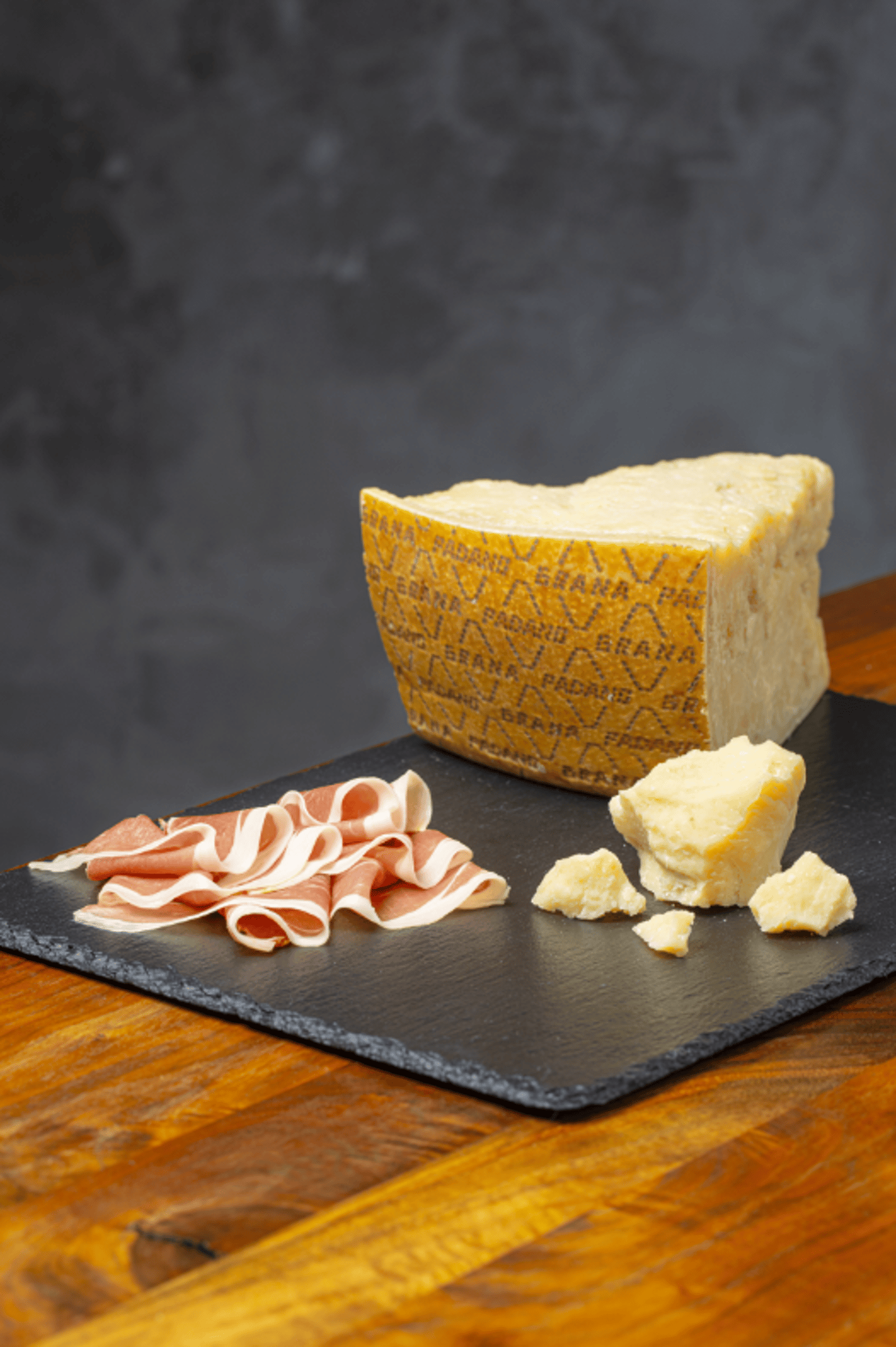
Grana Padano PDO cheese and Prosciutto di Parma PDO stand as icons of European culinary heritage, celebrated globally for their unparalleled quality, authenticity, and centuries-old tradition.
Consumers, chefs and restauranters are increasingly seeking out premium, origin-certified products. By increasing awareness of the craftsmanship behind the European PDO (Protected Designation of Origin) certification, retailers can shape the narrative around quality and translate this knowledge into increased consumer trust, stronger market positioning and sales performance. When deli staff and retailers articulate the unique stories and flavour profiles of these products, this doesn’t just enhance the customer experience, it creates an emotional and sensory connection that drives purchasing behaviour.
PDO: A Mark of Authenticity
The PDO certification guarantees quality, authenticity, and traceability by ensuring that Grana Padano PDO cheese and Prosciutto di Parma PDO are produced within defined geographical areas in Europe, using traditional methods. Each Consortium overseeing Grana Padano and Prosciutto di Parma ensures each step of production adheres to these standards to protect these exceptional foods.
Grana Padano PDO Cheese: A Taste of Excellence
Rooted in authenticity and tradition, Grana Padano boasts a legacy as rich as its unmistakable flavor. Officially designated “Grana Padano” in 1954, its name reflects both its distinctive grainy texture (“grana” meaning “grain” in Italian) and its place of origin, the Pianura Padana (Po River Valley).
- Production Method: Crafted from partially skimmed raw cow’s milk from the Po River Valley in Northern Italy, Grana Padano undergoes a meticulous production process that results in a cheese of exceptional character.
- Flavour and Quality: Known for its grainy texture and mellow, savoury flavour, the product can be aged from nine to over 24 months, each stage offering a unique taste, from mild and creamy when young, to nutty and distinctive, yet never overpowering when aged.
- Nutritional Benefits: This cheese is packed with quality proteins, vitamins, and minerals, particularly calcium. Its production and aging process also render it naturally lactose-free.
- Authenticity: Look for the rind markings – lozenges with “GRANA” and “PADANO” inscribed. Pre-packaged wedges should feature the yellow Grana Padano and PDO logos.
- Preparation: Serving Grana Padano begins with the right tools. The grater transforms the cheese into a fine powder perfect for finishing dishes, while the affettagrana blade slices ultra-thin petals to delicately top a meal. For a cheeseboard, the tagliagrana, a short, teardrop-shaped knife, is essential.
Prosciutto di Parma PDO: Perfected Through Tradition
Representing the gold standard of European craftsmanship, Prosciutto di Parma brings the PDO philosophy to life. In Parma, making prosciutto is part of an age-old tradition passed on from generation to generation and many of the methods used thousands of years ago have remained the same.
- Natural Production:, Prosciutto di Parma has always been 100% natural. Free from preservatives, additives and hormones, Prosciutto di Parma is made only from the hind legs of specially bred Italian pigs and sea salt.
- Aging Process: Aged twice as long as many other prosciuttos, the curing process involves careful monitoring of humidity and temperature for at least 400 days, between 14 – 36 months, resulting in perfectly cured ham.
- Flavour Profile: Cured in Parma region’s unique climate, the hams are meticulously salted by skilled salt masters. This traditional curing process which involves capturing aromatic breezes ensures a savoury-sweet profile and yields a range of flavours from mild and nutty to mature and full-flavoured.
- Authenticity: In 1996, Prosciutto di Parma became one of the first products to be awarded the PDO status. Look for the distinctive gold Parma Crown logo (fire-branded into whole legs) and the PDO symbol on pre-sliced packages.
- Preparation: When the product isn’t pre-packaged, it should be sliced paper thin with a ½ inch band of fat around the edge. The fat should never be removed, as it boasts its distinct flavour.
If you’d like to learn more about the PDO system and the products it covers, visit www.distinctlydeliciouslyeuropean.eu
Funded by the European Union. Views and opinions expressed are however those of the author(s) and do not necessarily reflect those of the European Union or the granting authority. Neither the European Union nor the granting authority can be held responsible for them.