
‘We’ve been loud about this for a year:’ Ontario grocery stores still waiting for movement on deposit-return rules
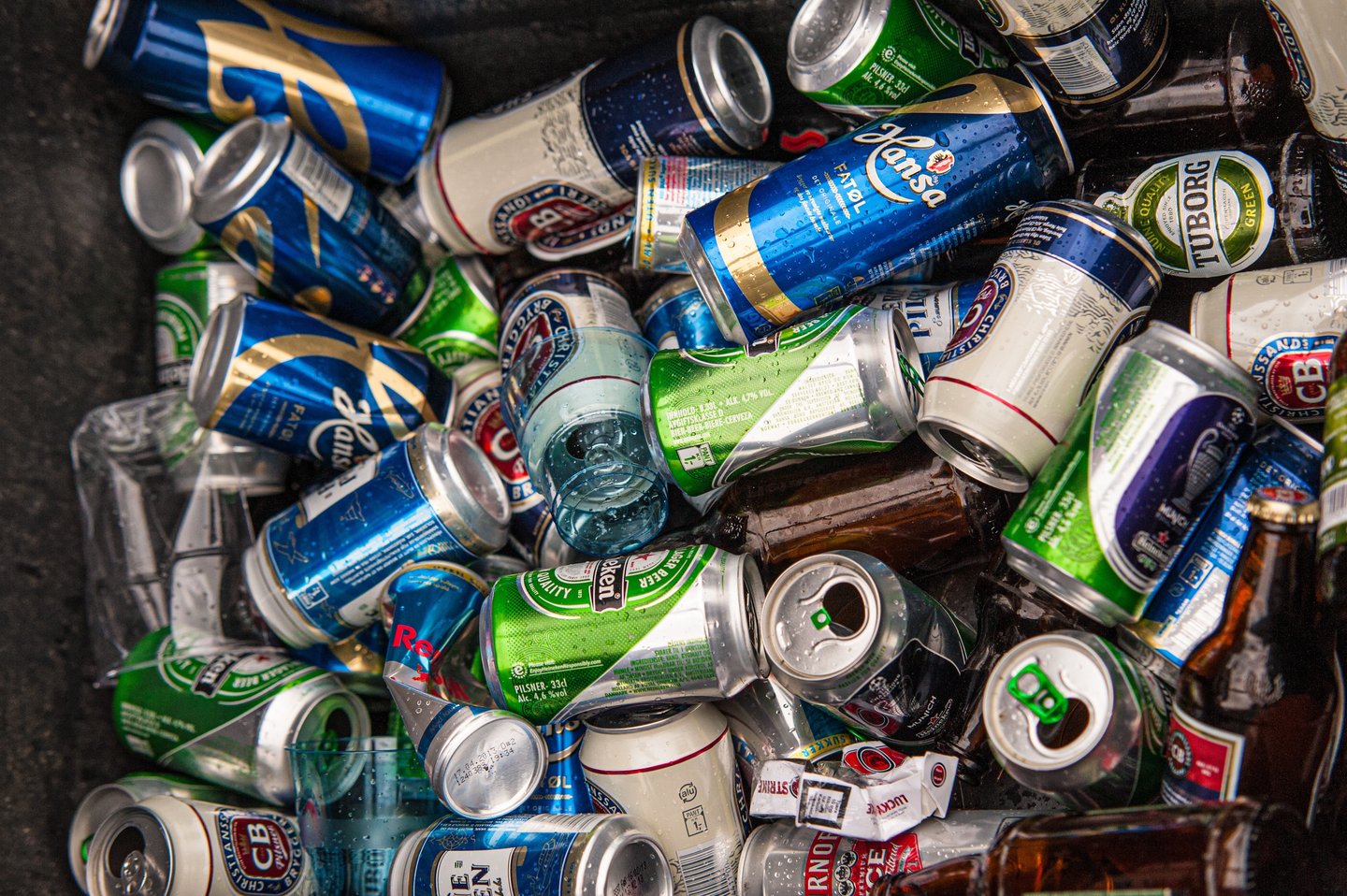
Since November 2024, Mike Dean Local Grocer has been accepting empty beer and other alcoholic beverage containers at two of its stores in eastern Ontario. Unsurprisingly, the sticky bottles have attracted unwanted visitors.
“I’ve had to increase pest control for fruit flies and mice,” says owner Gordon Dean.
It’s also the season for another nuisance. Gary Sands, senior vice-president of the Canadian Federation of Independent Grocers (CFIG), compares having empties around to “providing political asylum for yellow jackets.” He adds that stores need a proper space where bottles and cans can be stored, cleaned and staged for pickup.
For the licensed grocery stores taking empties, pest control is just one of several messy, costly headaches of acting as a recycling depot for alcohol containers.
Currently, grocery stores located more than five kilometres from a Beer Store in operation as of Sept. 2024 are required to join the Ontario Deposit Return Program (ODRP). But, as of Jan. 1, 2026, the deposit-return rule will apply to all licensed grocery stores selling alcohol.
The change comes amid the closure of more than 100 Beer Store locations since May 2024, which was the primary location for returns. According to its website, the Beer Store reused and recycled approximately 1.6 billion containers last year. And it’s a system that is proving difficult to replace.
CFIG has been lobbying the Doug Ford government for months to create an alternative recycling solution, but so far the organization’s pleas have gone unanswered. “We’re having ongoing discussions with the government, and the province is listening,” says Sands. “But nothing has changed—that’s the reality of where we are right now.”
READ: ‘The Premier misled us.’ Ontario grocers may drop booze plans over fraught alcohol expansion
Amid food safety risks and the costs of managing returns on a category with already razor-thin margins, some members are ready to hand back licenses rather than comply. Others have delayed entering the category altogether, hoping for a different solution.
Mike Sharpe, owner of Sharpe’s Food Market in Campbellford, Ont. tells Canadian Grocer, “We have a licence, but have decided not to sell alcohol” unless the rule is properly addressed.
Dean says it’s long overdue for the government to listen to reason—and to the data, which speaks for itself. “The government knew this problem was coming. Grocery has been loud on this for effectively a year, saying a better solution has to happen. And you only have to look at the number of stores that actually signed up for licenses and are selling beverage alcohol to recognize the issue, because it isn’t great.”
According to July 2025 data from the Alcohol and Gaming Commission of Ontario (AGCO), there are 1,069 grocery stores with active retail liquor licenses. (Market researcher Statista estimates there are 2,609 grocery store locations in Ontario.)
The big grocery chains are concerned, too. The Retail Council of Canada (RCC), which counts Loblaw, Metro, Sobeys and Walmart among its members, is in talks with The Beer Store to reach an agreement that is beneficial to its members and their customers.
“Retail Council of Canada cannot comment on ongoing discussions with The Beer Store other than to say that RCC and our members are committed to prioritizing our customers, their experience in stores and at checkout,” Sebastian Prins, RCC's director of government relations (Ontario), tells Canadian Grocer. “Recycling in store complicates elements of that experience; we hope that an alternative arrangement can be made to keep the sale of fresh produce separate from the collection of empty alcohol containers.”
According to the LCBO’s Policies & Procedures Manual for Licensed Convenience Stores, Grocery Stores and Wine Boutiques, published last year: “All licensees also have the option to enter an alternative arrangement with [The Beer Store] that exempts the licensee from some or all of these policy requirements,” including those related to taking back empties as of Jan. 1, 2026.
Regardless of RCC's negotiating strategy, “It speaks volumes that the big chains are sharing the same concerns as independents around ‘return to retail,’” says CFIG's Sands.
But, as Dean points out, the mess isn’t limited to the bottles returned in-store. The containers The Beer Store provides for cleaned returns are, in his words, “gross.”
“They arrive with broken glass and residual beer and wine,” he says. “I wash them when they’re dropped off because I won’t let them come into my stores.”
To keep empties from contaminating cash areas, the Mike Dean Local Grocer stores set aside part of an express cash lane for returns, and the store only takes them at specific hours. “Customers bring in months’ worth of bottles in a single cart, set them down on the cash lane and then shop for fresh groceries,” he says. “None of this makes sense.”
Ford's decision to speed up alcohol sales expansion to cost province $612M: report
Mess aside, the financial return on alcohol sales is pretty slim. Grocery stores currently earn about a 10% margin on alcohol sales and 15% for c-stores. (Processing deposit-return containers brings in two cents per container for grocers.)
“Because we’re rural, we don’t have much competition for alcohol sales. But, if you’re a grocer in a suburban or urban area where there is competition, why would you bother?” Dean asks, rhetorically.

