Canadians want local goods, but price point still matters, study finds


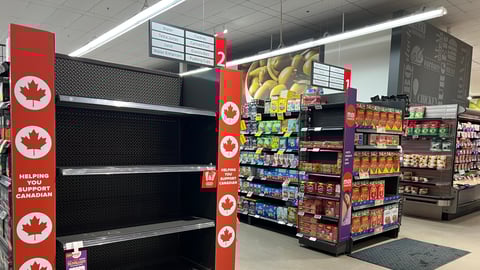
Price and patriotism are battling it out in Canada’s grocery stores.
A new report from PwC Canada found that 75% of Canadians are willing to pay a premium for local food, but 62% would opt for a lower-priced imported product over a more expensive domestic equivalent.
The firm’s Voice of the Consumer report highlights how Canadians are balancing national pride and economic considerations at the checkout.
Seventy six per cent of Canadians are concerned about the cost of food, significantly higher than the global average of 59%.
Trade tensions between the U.S. and Canada have heightened Canadians’ preference for local goods. Forty six per cent cite domestic sourcing as their top sustainability consideration when buying food.
But the perceived price premium of Canadian goods often undermines those intentions, PwC said.
While Canadian products are not inherently more expensive, the firm said its findings underscore the need for brands to communicate the value of local products in ways that resonate with shoppers’ hearts and wallets.
READ: Why made in Canada brands need to go beyond the label
"This disconnect reflects the tension between Canadians' desire to shop local and the reality of their purchasing decisions at checkout," said Elisa Swern, national retail and consumer leader, PwC Canada, in a press release. "Canadians value local products and want to support homegrown businesses, but price remains a powerful influence, especially in today's economic climate."
The report also provided insight into Canadians’ dietary habits. Only 45% of Canadians plan to increase fresh produce consumption in the next six months, compared to 56% globally.
Twenty six per cent of Canadians would switch brands for added health benefits and two-thirds would pay more for additive-free or nutritionally enhanced foods.
The report analyzed survey responses from more than 1,000 Canadian consumers.