
Costco named Canada’s top grocery retailer for second consecutive year: dunnhumby
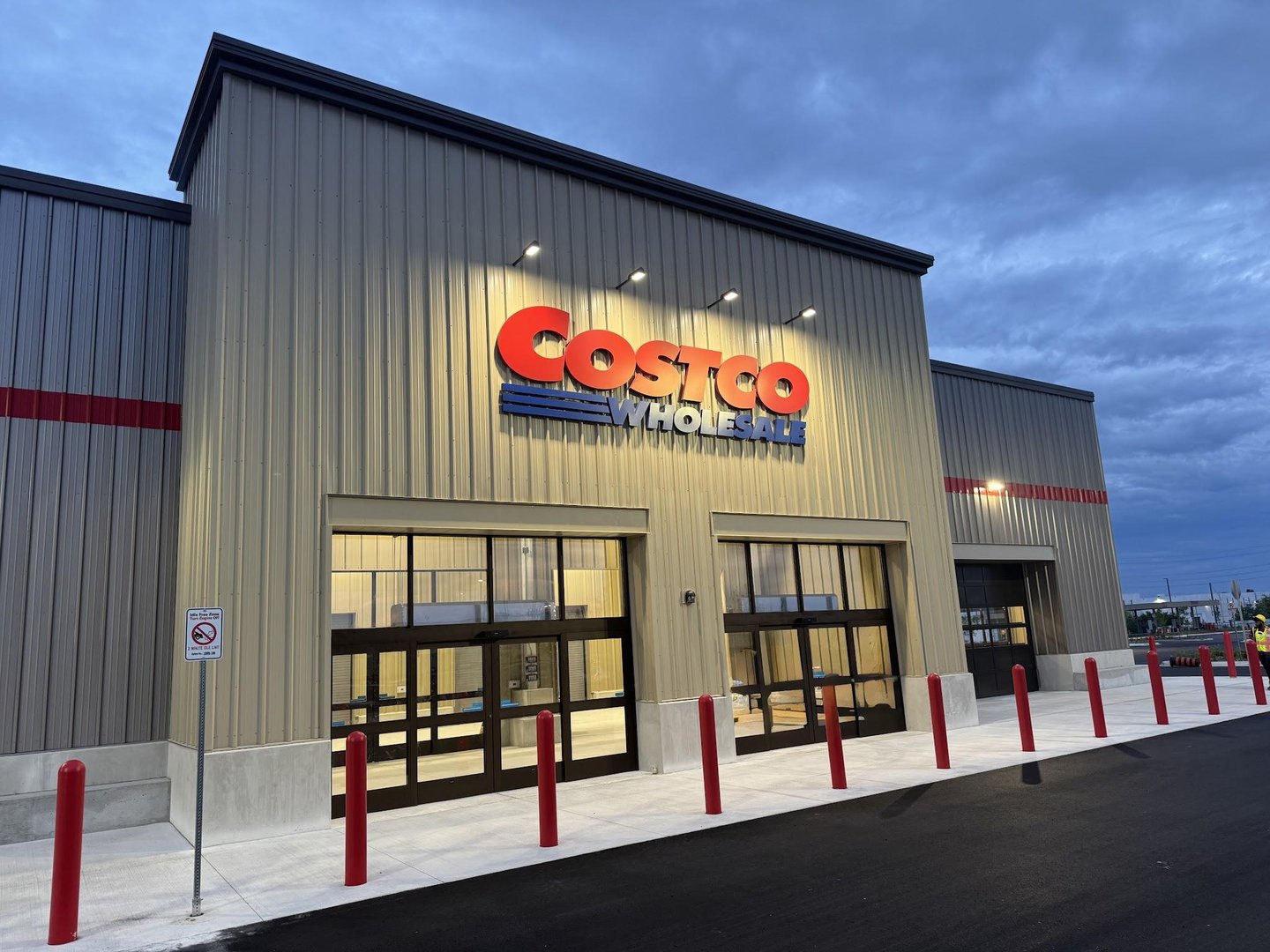
Costco has finished at the top of dunnhumby’s 2025 Canadian Retailer Preference Index (RPI). It’s the American-owned wholesale club chain’s second year in a row leading the index, introduced in Canada last year.
The RPI looks at both customer perception—covering “Savings,” “Assortment Quality, “Digital Experience,” “Convenience and Speed” and “Consistency”—and financial performance, including market share and sales growth.
The 2025 index assessed 28 major grocery banners, representing 97% of Canada’s $115-billion market.
Following Costco with the highest RPI scores were Maxi, Food Basics, Real Canadian Superstore, and No Frills.
The report includes a letter from Dunnhumby’s RPI AI Agent, generated from customer verbatims in the RPI survey, highlighting Costco’s strengths and areas for improvement.
“We keep coming back to Costco because of the unbeatable value,” it reads. “The quality of your Kirkland Signature brand consistently exceeds my expectations, and I genuinely trust what I'm purchasing. Your return policy is industry-leading.”
As for criticisms, the letter notes: “The crowds are overwhelming, especially on weekends, making it difficult to navigate the aisles…Checkout lines stretch impossibly long.”
While Costco saw higher RPI scores in most regions versus 2024, it declined in Quebec, overtaken by Maxi as the most preferred grocer. Maxi was found to excel at helping Quebec shoppers “Save money”—through pricing, promotions, and rewards, the most important pillar for Canadian consumers in the RPI.
The Quebec-based grocer also outperformed Costco on “Speed and Convenience,” the fourth-most influential pillar.
Rounding out six through nine on the RPI Index: Metro-owned Super C, Walmart, and the Sobeys banners FreshCo and Dominion.
It’s no accident that the top nine grocers are mostly club, discount, and superstore formats, as they lead in saving Canadians money. This pillar drives 44% of financial and customer results.
“Even though inflation and interest rates have dropped, Canadians still face affordability issues and are focused on value and savings more than last year,” says Matt O’Grady, Dunnhumby’s President of the Americas.
Retailers who have a competitive advantage in this pillar are more likely to achieve long-term success. In fact, the report finds that Canada’s top nine grocers are pulling away from the pack.
Over the past year, they grew twice as fast as the lowest-ranked retailers, continuing a five-year trend of market share gains. First-tercile grocers capture 29% of a customer’s grocery spend—compared with just 17% for third-tercile retailers—illustrating the widening gap between leaders and laggards.
READ: Retailers are betting on discount. Will the momentum last?
After saving money, Assortment Quality (31%) and Digital Experience (11%) are the second and third most important pillars for long-term success, followed by “Speed and Convenience” (8%) and “Operational Consistency” (6%).
Where does that leave conventional brands? In a pretty tough spot.
The challenge for them, reads the report, is they “often lack the operational advantages— limited SKU counts, economies of scale in order, lighter labour models—needed to match their base prices and promotional depth, finding themselves unable to keep up with the ‘One-Two Punch’ dynamic.”
Still, top-performing conventional retailers Zehrs Markets, Save-On-Foods, Safeway, and Thrifty Foods were found to offset their price and promotion disadvantages in multiple ways.
“One of the rarer conventionals leading in both Quality and Personalization,” Zehrs achieved “performance comparable to those grocers dominated by Club/Superstores and Discounters at the top of the charts.”
“They deliver targeted savings through optimized loyalty programs, make promotions more relevant and personalized, and maintain strong product quality without overinvesting,” Dunnhumby noted. “This approach ensures they remain competitive on base prices.”
Amazon’s Place
Last year, Amazon would have claimed second place on the Canadian RPI Index but is not included due to its limited physical presence.
This year, Dunnhumby estimates it would have fallen to eighth.
Still, retailers should keep a close eye on Amazon, as 30% of Canadian shoppers purchase groceries through the platform. “Amazon remains a potential competitor, particularly in perishables, thanks to its large customer base and strong market presence,” the company notes.