
The Holiday Merchandising Gap: When Plans Don’t Reach the Shelf
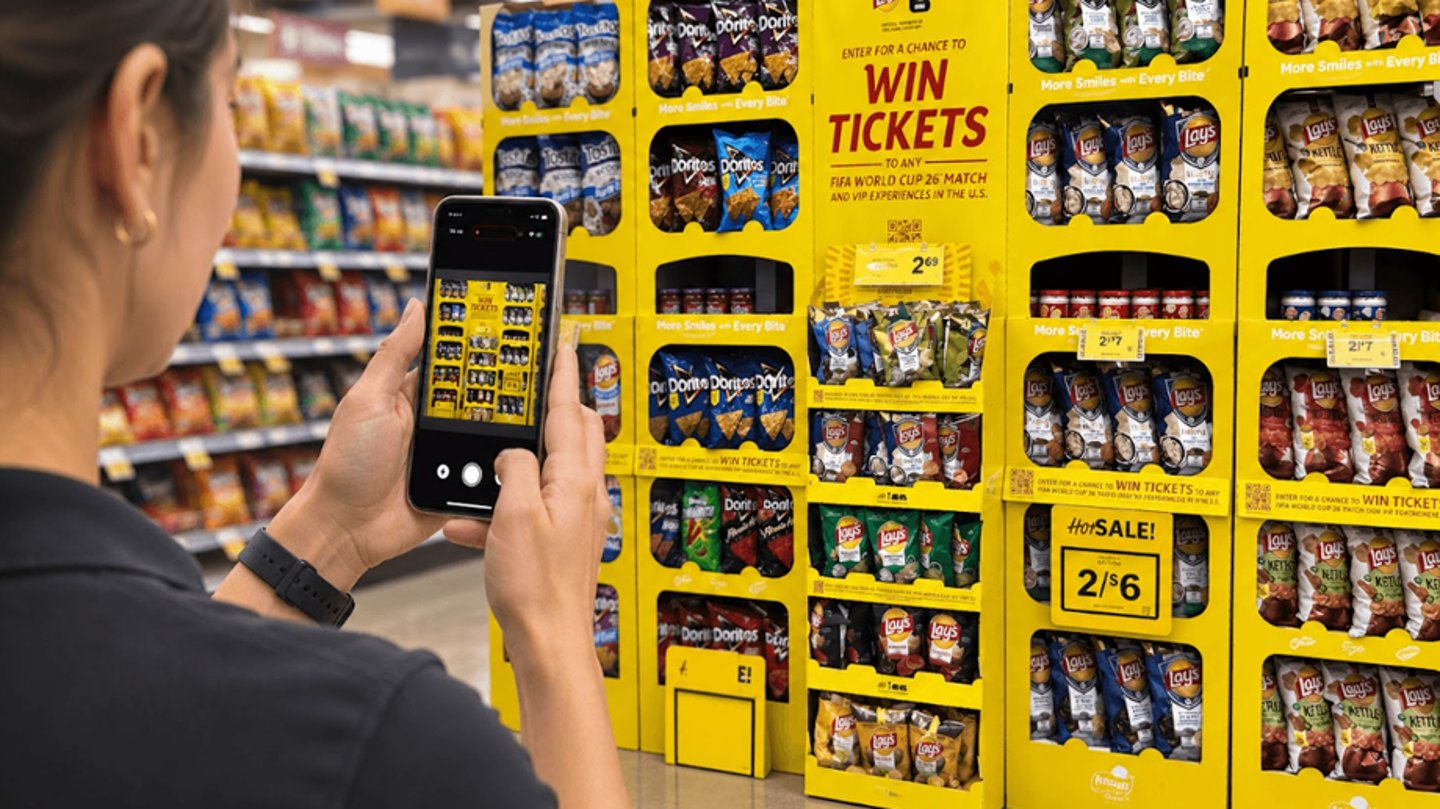
Holiday merchandising is planned months in advance: Displays are designed, point-of-sale materials are printed, seasonal assortments are locked in, and promotional calendars are negotiated store by store. When the holiday window opens, most retailers and suppliers have agreed on what the shopper is supposed to see.
But the shopper doesn’t always see what they’re supposed to see, because the shelf doesn’t always match the plan. The execution gap may be small, or it may be significant. Either way, the issue is rarely visible to leaders until someone actually notices it in person.
This merchandising gap shows up in familiar ways: Promotional signage goes up late or not at all. A seasonal display gets built differently than the approved layout. Products end up out of position or missing entirely from shelves, and off-shelf displays like endcaps get picked over during a busy weekend and never restocked.
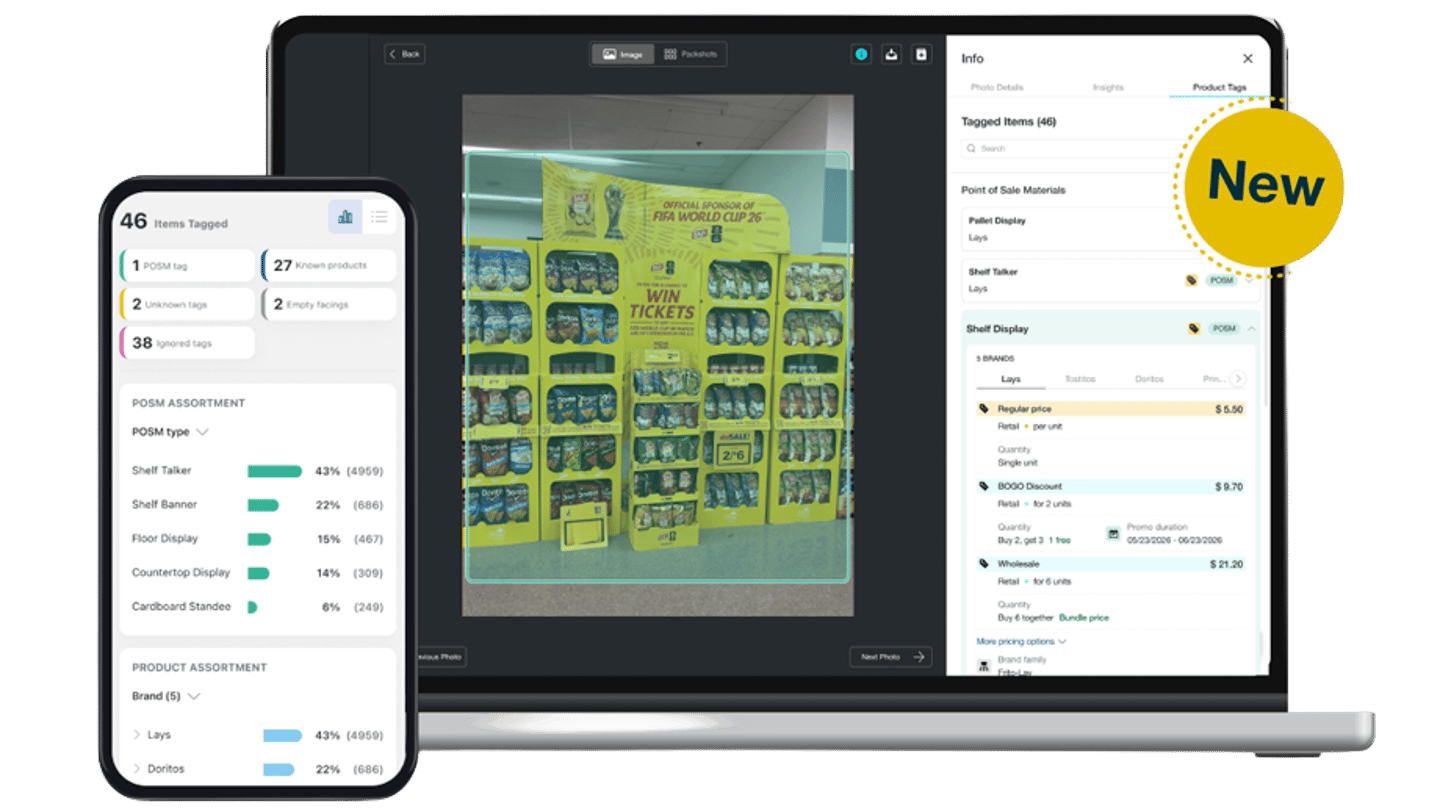
Without a reliable way to identify these errors, store teams and field reps often have no clear signal about which issues need their attention. That’s starting to change as AI-powered POSM recognition can turn photos of shelves and displays into a list of what needs fixing.
The compressed OND (October-November-December) holiday window makes identifying and fixing problems quickly even more important. A seasonal display only has a few weeks to be effective, and a shopper who doesn’t find what they’re looking for during that window usually buys something else or goes to another store. The result can be a lost sale or, worse, a shopper who doesn’t come back.
***
Canadian Grocer’s inaugural 2026 Grocery Tech Trends Study found that 73 percent of grocers surveyed expect to spend more on technology this year than last, even with inflation, supply chain disruptions and other economic challenges. AI figures prominently in that outlook: 67 percent of respondents named AI, including machine learning, among the technologies expected to drive the most growth over the next 18 months, behind only data analytics tools.
That investment is a start, but technology alone doesn’t tell a retailer what’s happening on a specific shelf.
For years, the best available intelligence was whether a task got marked complete on a checklist. A completed task confirmed an associate was in the aisle but not what they found there. A photo goes a step further by offering visual proof of what the shelf looks like. But photos still have to be reviewed before they become actionable. Image recognition automates much of that review.
AI can now analyze a photo of a shelf or display on a store associate’s mobile device and convert it into SKU-level insight, revealing what’s present, what’s missing, where facings fall short of plan, and where a display no longer matches what was approved. On-device, real-time reporting means an in-store team can identify the issue and fix it before they’ve left the aisle.

That connection between AI and better in-store execution will be an important conversation at Grocery Innovations Canada as grocers look at the technologies that can improve performance in 2027. Retailers that can see the gap between what was planned and what’s actually on the shelf have time to close it while the promotion is still live. The ones that can’t usually find out when it’s too late.
Kalliopi Vlastos is Vice President of Sales at GoSpotCheck by FORM, where she works with retailers and consumer goods brands to improve in-store execution through AI-powered image recognition and real-time retail intelligence.