How grocers and CPG brands can better connect with sports fans
With hockey, basketball and football seasons in full swing, grocers and brands have lots of opportunities to reach fans before game time. Scott Mitchell, managing director, Canada, at Vistar Media, explains how timely offers and digital out-of-home (DOOH) advertising can drive purchases—and how to measure results.
Where are the opportunities for grocers and CPG brands to reach sports fans?
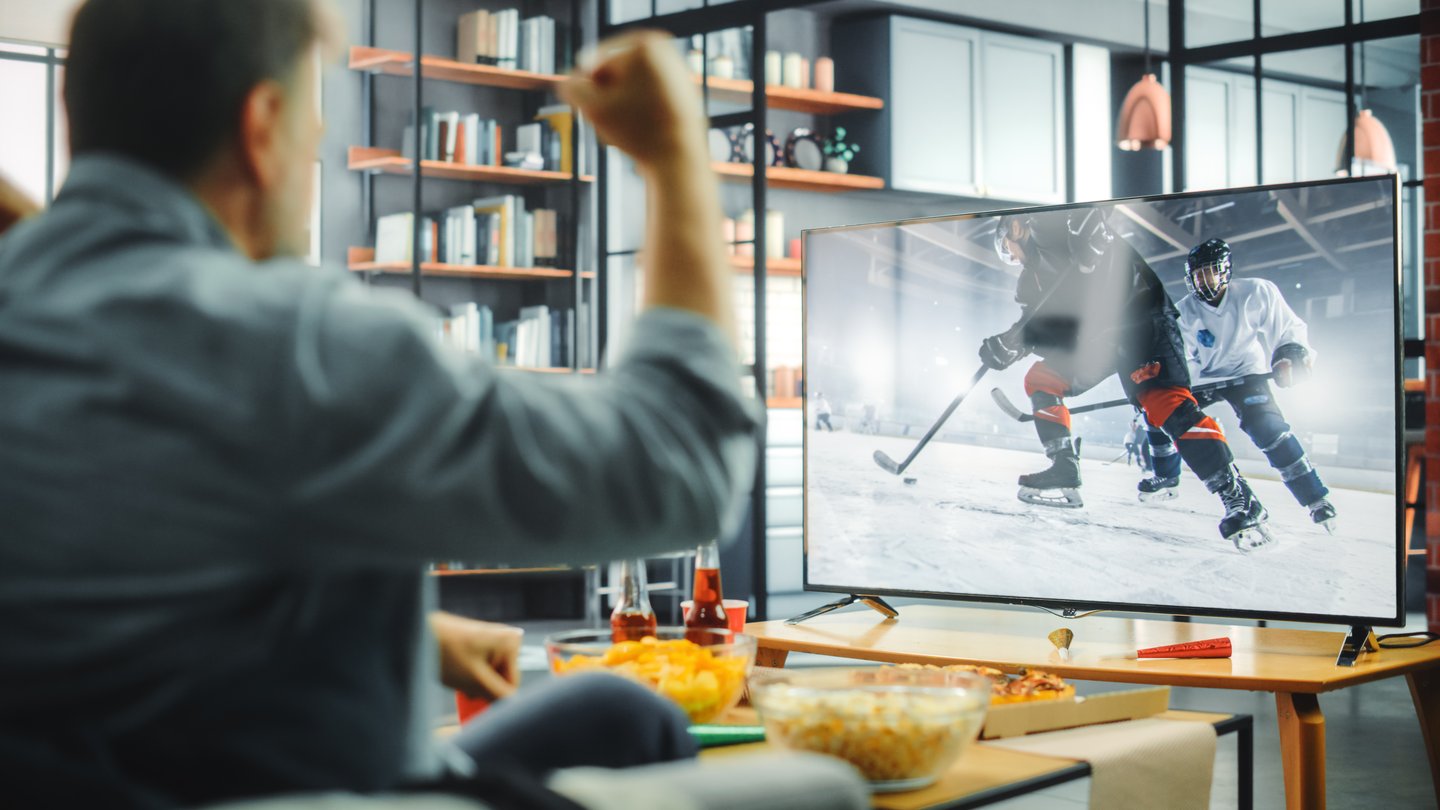
Some of the most valuable opportunities happen in the hours and days leading up to a game, when consumers are deciding what to buy, what to serve and where to shop. Sports are naturally tied to food and social occasions, whether it’s hosting friends for a hockey game or picking up snacks before football matchup.
I’d encourage retailers to look beyond marquee events. The NHL playoffs and Super Bowl attract attention, but there’s untapped potential around the CFL, PWHL, Blue Jays baseball, Formula 1 and major international competitions. These events bring together passionate audiences, often with strong regional connections. Instead of trying to reach the largest audience, understand which sporting moments influence your customers’ behaviour.
How can grocers capture last-minute game-day purchases?
Someone heading home before a hockey game isn’t necessarily planning a full grocery shop. They might be thinking about dinner, whether they have enough snacks or what they can quickly pick up before puck drop.
The most effective advertising makes the decision easy. A game-day snack bundle, ready-to-serve food or timely promotion can be more persuasive than a broad brand campaign. Earlier in the week, you might focus on meal planning or hosting ideas. A few hours before the game, the message should shift toward convenience, availability and products consumers can grab on route.
Where does DOOH advertising fit?
Fans might be commuting home, stopping for gas, passing through a shopping district or already walking through a grocery store. Each environment presents a different opportunity to influence what they buy.
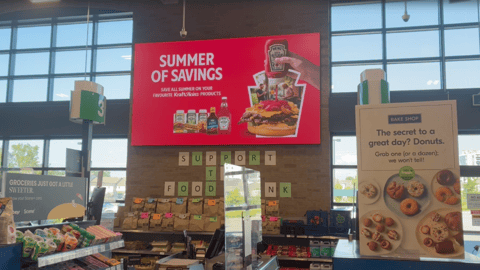
A snack promotion on a screen near a grocery store a few hours before puck drop serves a different purpose than a brand-building campaign earlier in the week. Both can be valuable, but they shouldn’t necessarily carry the same message. Our 2026 Canadian Consumer Research Report with Angus Reid, found that 39% of Canadians reported taking action after seeing out-of-home advertising, including 22% who searched online for a brand. DOOH gives marketers an opportunity to connect brand messaging with those real-world moments, making it an important consideration in a more connected, omnichannel media strategy.
READ: Holiday ads from retailers and brands around the world
What messages/promotions work best?
I don’t think there’s one approach that works for every brand, but I do think the strongest campaigns give consumers something useful rather than simply reminding them that a big game is happening. Price and promotions matter, but a discount alone isn’t always enough. Connect the offer to the occasion.
Our Science in Motion research found that motion-based creative was 67% more effective at building top-of-mind awareness than static creative in the study. That’s particularly interesting for food brands, where showing a product in action can make it more appealing. But I wouldn’t confuse more movement with better advertising. The message still needs to be clear; the product needs to be recognizable and the creative needs to work within a few seconds.
Can smaller businesses participate without major sponsorship budgets?
Absolutely. I think smaller retailers sometimes have an advantage because they understand their local communities and customers better than a national brand ever could.
You don't need to be an official sponsor of a major sporting event to participate in the excitement surrounding it. A neighbourhood grocer can build a campaign around a local team’s playoff run, promote game-night essentials or create offers that reflect how people in that community celebrate.
Be selective: focus on stores, neighbourhoods or markets where the message will resonate. DOOH allows brands to advertise across specific locations and time periods. Smaller CPG brands should also consider retailer partnerships. Connecting advertising outside the store with a display or offer inside gives consumers a clearer path to purchase.
How should grocers and CPG brands measure results?
Start by defining success. Are you trying to increase store traffic, drive particular product sales or encourage consumers to try something new? Retailers can examine sales trends, promotional redemptions and transaction data. Where appropriate data and measurement capabilities are available, DOOH campaigns can also compare visitation among exposed and unexposed audiences.
A sales increase during a sporting event doesn’t automatically mean advertising caused it. You need a measurement framework that accounts for other factors.