
How The Sweet Potato’s Digs Dorfman Takes the Lead
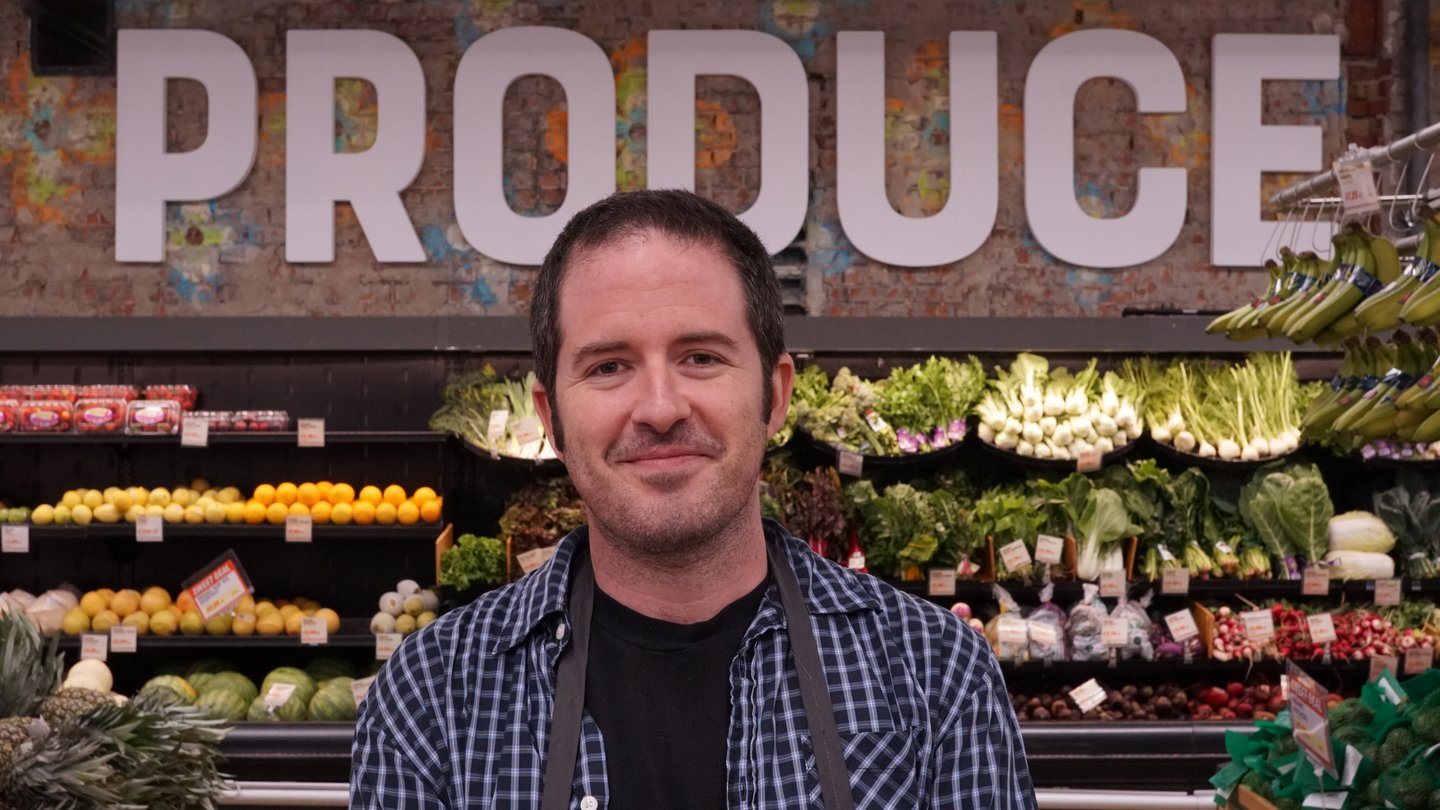
Digs Dorfman has built one of Toronto’s most beloved independent grocery stores, known for its high-quality, reasonably priced organic produce, by rolling up his sleeves—literally.
From stocking shelves alongside his team to scouting competitors’ aisles for inspiration, his leadership style today is rooted in sweat equity. That hands-on approach has deep roots: Dorfman first got a taste for the grocery business at 16, stocking the shelves of his grandfather’s store.
This past year, Dorfman faced one of The Sweet Potato’s toughest calls: closing the Bayview–Leaside store in February after nearly two years of operations.
Rather than dwelling on the disappointment, he turned it into a learning opportunity and a chance to express gratitude to the team that poured their energy and hearts into the store.
In this Q&A, Dorfman reflects on the “biggest mistake” in launching the second store. He also shares the changes made as they’ve doubled down on the customer experience at The Sweet Potato’s Junction flagship in Toronto’s west end, which celebrated its 17th anniversary in early spring.
Shutting down the Bayview-Leaside store, a neighbourhood that holds personal significance as the place you grew up, was no doubt a difficult call. Looking back, how did you navigate that process as a leader?
Closing a location is difficult, especially for us independents. For me, the key to getting through it was to express all the gratitude I had for our team and the community. It obviously wasn’t the outcome we wanted, but a lot of good people put their time and their hearts into making it happen, and a lot of people in the community shared in our disappointment when we had to close. So, I did my best to express that as best and as often as I could, and ultimately our team rallied together to move forward.
You said at the time, "Our business model has a lot of legs, and this was a learning experience for us more than anything." What was the key learning?
The biggest thing we learned from the experience is when you open a store in a new community, you’d better be prepared to call out your strengths as loudly as possible. We’d never really done this before. Our first store started as a market in the park in 2005 [High Park Organic Market], and then moved to a brick-and-mortar store a few years later and then a decade after that to a much larger location. Our customers and the broader community were along for the ride, and in that time we did very little advertising and instead focussed on community initiatives with local schools and organizations. We have the best local organic produce department in the city but … we never had to take out ads saying that because everyone knew it already. With our second store, we didn’t realize how much better we needed to be at introducing ourselves to a community who hadn’t grown up with that. Not doing so was a huge mistake.
Since then, you and the team have doubled down on strengthening the customer experience at The Sweet Potato’s flagship store in the Junction. How did you identifying areas that could be elevated and what specific changes have you executed so far?
The first thing we did was a total reline of the produce department, which we were able to execute just in time for our birthday celebration in March. This completely brightened our entrance, and has made the first experience customers have upon entering the store a much more positive one. Since then we’ve done many smaller team-building initiatives, and we’ve also been working on a longer term customer service initiative—the largest overhaul we’ve done since we opened the flagship store in 2008. This is set to roll-out in the fall of this year.
How would you describe your leadership style today compared to a decade ago?
This is an interesting question. A decade ago I was very hands-on, but as we grew in size and in volume I began to wear fewer and fewer hats by necessity. More and more paperwork and less and less stocking in the produce department. For at least a few years after we opened the current Junction location, I was very hands off, allowing my category managers and floor staff to do most of the customer-facing work. Ultimately, I found this both unsatisfying and bad for staff morale. I now work on the floor at least a few hours per week, either stocking or bagging and doing carry-outs. For a business of our size, this makes a crucial difference both in terms of my own job enjoyment and, more importantly, in terms of providing motivation to other staff. The key lesson is that if you want people to work hard and do their best, they need to see you doing the same. It’s not enough to just be putting in hours working from home or behind a desk. If others can see the boss sweating it out in the trenches, they’ll be more likely to put in their own sweat equity.
What do you do outside of work that makes you a better leader at work?
My uncle, who is a bit of a grocery savant and has a long and storied history in the business, once told me the biggest mistake owners make is to only shop in their own store. If you do that, you’ll never see what the competition is doing. So, I make a point to shop elsewhere at least once a month. Don’t get me wrong, I still buy the vast majority of what my household consumes from The Sweet Potato. After all, we do have the very highest quality of local and organic produce—not to mention meats—and I’m often disappointed when I try to purchase these things elsewhere. But shopping in other stores, I’ve found new brands, kitchen innovations and private-label goods that have been very informative. When I find something I like, I often bring it into the office and share it with the team. This has been key to us staying on top of trends and positioning ourselves strategically, especially as the industry becomes more and more monopolized.
Canadian Grocer's How I Take The Lead series speaks to people from across the industry about how they take the lead on a specific project, initiative or aspect of their job. You’ll hear from grocery leaders about their passions, how they tackle challenges, what they’ve learned and what keeps them motivated. Have a pitch? Send it to managing editor Kristin Laird.