Inside Metro’s private-label success
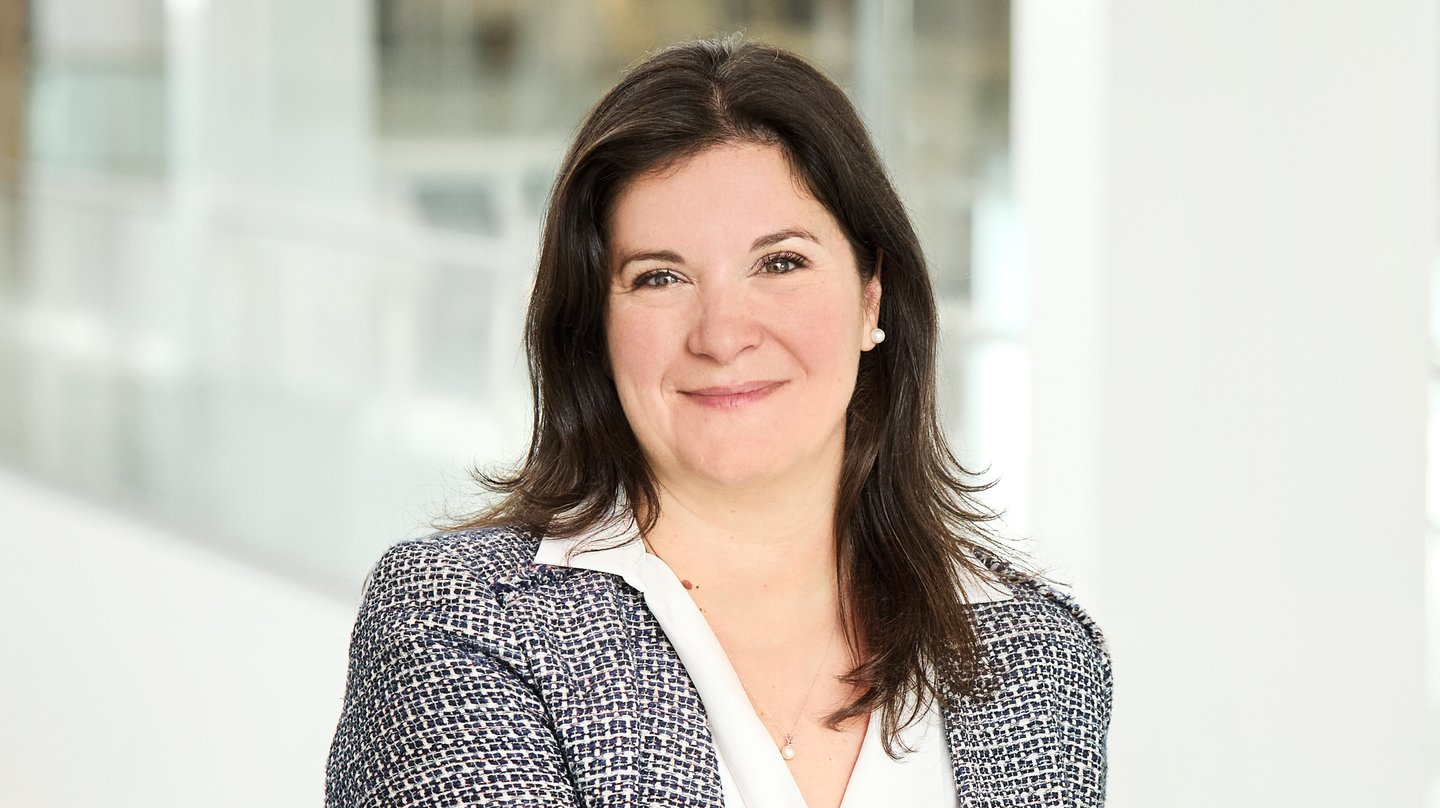
Private label is on the rise as consumers seek value and quality—and grocers’ store brands are delivering. We spoke with Annie St-Laurent—a 20-year Metro veteran who has been leading the private brands team since May 2024—about new developments in the grocer’s portfolio and why it’s private label’s time to shine.
This interview has been edited for clarity and length.
Tell us about your career path and how you came to Metro.
I started working for the grocery industry when I was a university student. Right after I finished, I was hired at Metro—and I’ve been with the company for more than 20 years now. My earlier roles were in replenishment and central procurement negotiation, but for the last 15 years, I’ve been with the private-label department. The interesting part is that it’s an area of constant innovation and learning, and one where we’re facing a lot of challenges. So, that’s what’s keeping me in that role—and I’m loving it a lot.
Just over a year into your position as vice-president, private brands, what’s been the biggest success, and what have you learned?
There have been many successes during the last year for private label. All our banners have continued to grow their penetration rate for private label during the last year, so that’s a good success. We have built a strong plan for increasing visibility around all our private-label brands.
One of the big successes that I’m really proud of is the launch of our new Irresistibles branding. It was also an interesting year in terms of challenges regarding new legislation around product [front-of-pack warning labels], but so far, that has permitted us to reposition our product and our brands. It has forced us to review our recipes, making sure they’re a little bit healthier for the customer, and making sure we have the right product and the right branding.
READ: Marrying value and premium ingredients key to swaying consumers: survey
Private label has been growing for years, but some say private label is currently “having a moment.” Why do you think it’s private label’s time to shine?
One of the reasons why [our] private label is so popular is we’re always bringing value for customers. We have listened to their needs—and they want to have value. They want to have a great price, but the quality that we bring to our products and the variety of our assortment are key drivers. Yes, there’s always the national brands that bring familiarity, security and trust for customers, but I think private label now is also bringing excitement and innovation. This is another reason why private label is growing.
Can you share your overarching strategy for Metro’s private-label portfolio?
I want to bring sustainable growth to my banner. We need our brands and products to have a purpose. So, our goal in private label is always to bring a true differentiation for Metro around our family of brands. We have the Selection brand—this is a category where the customer wants to have the best value for the price. Our Irresistibles brand is for the
food lover, with products like hors d’oeuvres and frozen fruit. If you’re a customer concerned with health and wellness, we have the LifeSmart brand, which is a better-for-you option—better for you and for the planet, too. In pharmacy, we have a strong brand with Personnelle, which offers health care and over-the-counter products that bring trust to customers. In terms of strategy, we need to be careful about what the cus- tomer needs and demands and play around with our product and portfolio to make sure we bring them exactly what they need. So, we’re always focusing on those priorities.
READ: Metro reports gains in discount, pharmacy banners amid DC operational hurdle
What was the thinking behind the rebrand of Irresistibles and what results have you seen so far?
Irresistibles was always a good brand for showcasing our innovation and our exciting products. Unfortunately for us, the brand was unknown on the market and was not highly visible on shelf. So, the objective behind the rebranding was to make sure customers can see, understand, recognize and repurchase the products. We did studies to see the impact of our branding on the market. I’m proud to say the parameters that we measure are positive in terms of the products being easier to recognize in the store and purchase intent has increased. The growth of that brand is stronger than the rest of our portfolio—it’s performing really well in the market and the customer knows the brand now.
What are your plans for the other private-label lines?
For our other lines, I have four initiatives. I won’t give you any secrets today about whether we’re rebranding the others. But, for sure my focus is on keeping fair pricing for all those brands, making sure each brand is still relevant for customers, and that all my products have the quality I promise in my assortment—and where there’s room to grow, adding assortment or innovation in some categories. This is where we’re going.
We haven’t communicated this much, but we also did a repositioning for LifeSmart during the last year that customers are starting to see now. We have made sure the promises of the brand are more perceptible for customers. We’ve changed the logo, we restructured the design and the brand promises are clearer. So, the organic [label] is not shy anymore in the packaging. You can see it big and bold—all the attributes of the brand.
On the product development front, what factors do you focus on to create a strong private-label product?
Because private label is only in our banners, we’re focusing on what products have a real interest for customers. We’re not going into the nitty gritty of specific trends. Our role is to make sure we focus on what the customer is really interested in. We don’t need to be everywhere in every category. We need to be strategically well-defined in categories. For Selection, it’s everything related to family and economic essentials. For Irresistibles, it’s about excitement and festiveness but, behind it, we need to make sure it answers a customer need.
To identify those needs, we have a calendar of category reviews. So, we have identified priority categories we need to bring excitement to every year. I’ll give you the example of hors d’oeuvres. You cannot come into the Christmas season without new hors d’oeuvres—and there’s excitement around it. There’s also a growing population of new Canadians, so we need to be closer to them and make sure we answer their needs. That means looking at what ingredients are on trend—both for new Canadians and the entire population who are starting to use new ingredients and try something new.
READ: How are rising food costs impacting your business?
How do you lead your team to deliver on your strategy?
I have a strong team with experience around all the areas of my department. Private label is a bit like our own company. We have a department for business development in food and pharmacy, so we exchange a lot in terms of good practices, making sure our success and the way we communicate in pharmacy can benefit from food and vice versa. The interesting part for my team—and I think this is an advantage versus others—I have a team in Quebec and in Ontario. So, we are able to capture more knowledge as a team. Every- one is truly excited about [food] experiences, trends and challenges. If anyone wants to be part of private label, they must love food, be open to trying new things and be curious.
What do you see as the biggest opportunities for the private-label category?
What we’ve seen in studies is that private label will continue to expand during the next few years. It’s a part of the business that was difficult 15 years ago and we gained credibility [over] the last 10 years. And it will continue. If we want it to continue in that sense, we need to make sure we continue to focus on what the customer wants in terms of product, quality and sustainability. We have to surprise them and keep them excited about what they’re eating, with great pricing and great innovations. We need to make sure we continue to focus on [the customer] and that our brands are a smart choice for them because we understand what they want.
We sometimes hear about a lingering “perception problem” around private label. But there seems to be a broader consumer shift away from that. What is your take?
I think it is recurrent. And in Canada, we’re way behind compared to Europe and other areas around the world. They have higher penetration rates and a higher percentage of private-label products in their stores. But private label is not just a cheap alternative to national brands. There’s a real purpose and this is a real brand with strong parameters. This is where we need to continue to focus. [Perception] is part of the challenge of doing private label, but in the future, nobody will doubt it anymore.