
Loblaw inflation report highlights steadily rising food prices in August

Loblaw’s September Food Inflation Report noted that food inflation rose 3.5% in August, compared to the overall CPI at 1.9%.
The report ties this gap to broader global factors like commodity volatility, higher transportation and energy costs in the supply chain, and weather-related disruptions affecting produce and meat.
The report also cites that significant and persistent cost increases from vendors as a contributing factor to the increase.
The heat is on…
This summer, the Atlantic provinces, Quebec, and parts of Ontario saw unusually low rainfall, especially in August. Crops like corn, soybeans, blueberries and root vegetables were stressed during critical growth phases, reducing yields in some cases by 10 to 25% in severely affected zones.
The dry conditions also increased the cost and logistics of irrigation and feed, particularly for forage crops and livestock, while some produce sectors are facing noticeable reductions in both quality and quantity.
The tale of tariffs
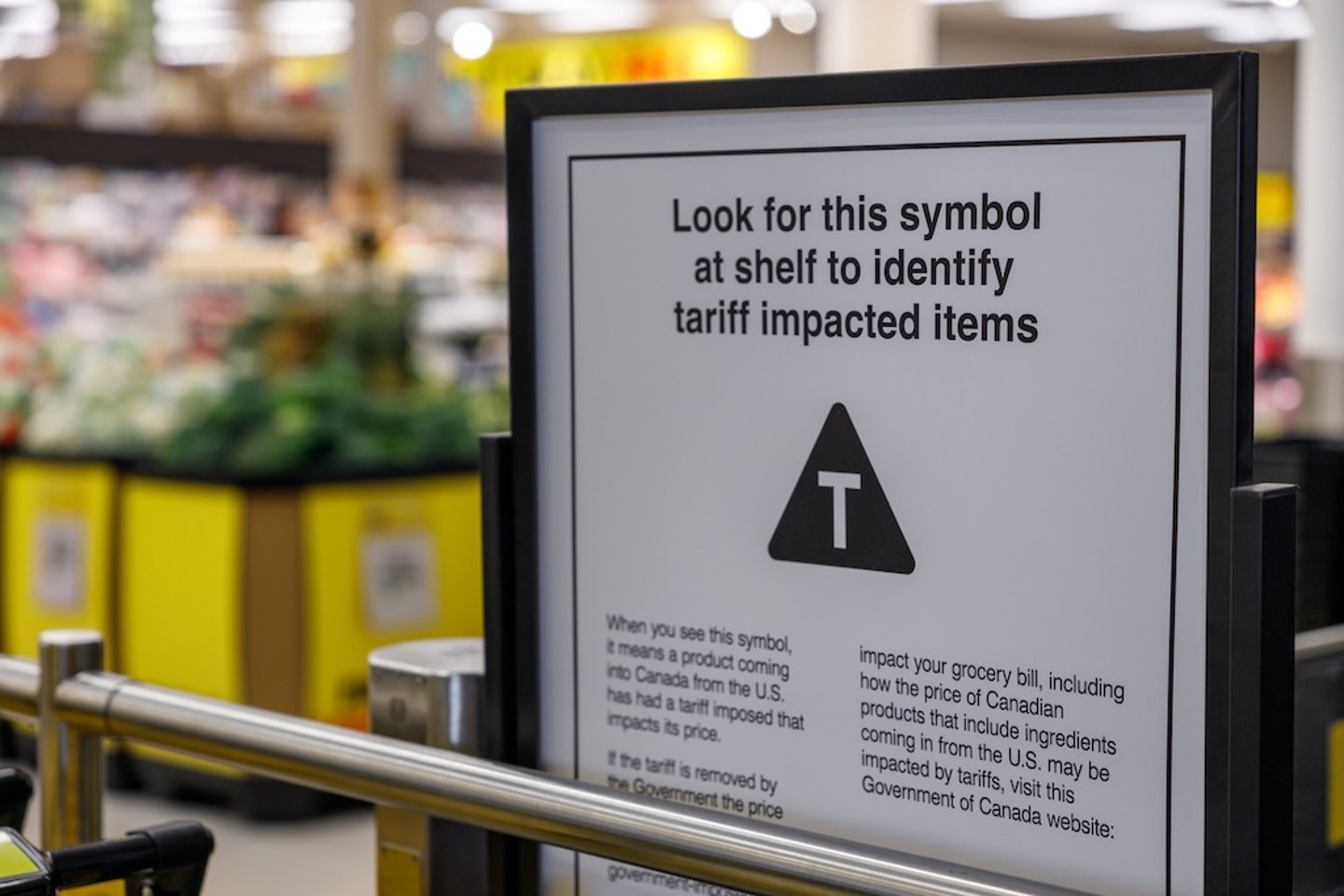
The report notes that tariffs have been a constant headwind in food inflation. As of Sept. 1, Canada has dropped its counter tariffs on most food products imported from the U.S.
Consumers can expect to see tariffs come off in waves with the most immediate price decrease on produce (with blood oranges, lemons and peanuts already flowing through), followed by fresh items like meat, poultry and dairy, and then packaged/pantry goods.
One of the most high-profile tariff-impacted products from earlier this spring was orange juice, where U.S. imports saw considerable spikes in price, compared to ‘processed in Canada’ alternatives. With the removal of tariffs, those prices have reduced at shelf.
Coffee
Coffee prices have neared their 2025 highs after the U.S. imposed a 50% tariff on Brazilian imports.
The tariff has disrupted trade flows while Brazilian producers are holding onto their beans and taking a more cautious approach to selling, tightening available supply.

