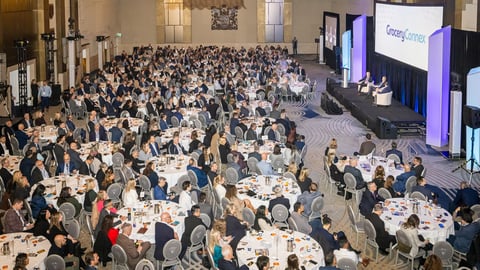
Retailers discuss meeting customer needs at GroceryConnex
Across store design, flyers, self-checkout and even the adoption of artificial intelligence, one thing guides every major decision in Canadian grocery: the customer. And as expectations evolve, grocers are adapting every touchpoint to meet shoppers where they are.
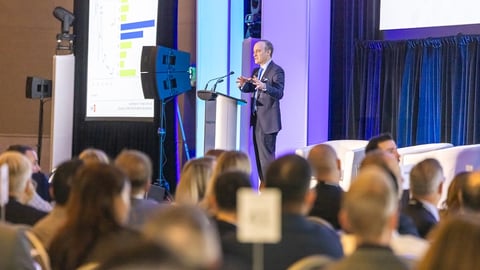
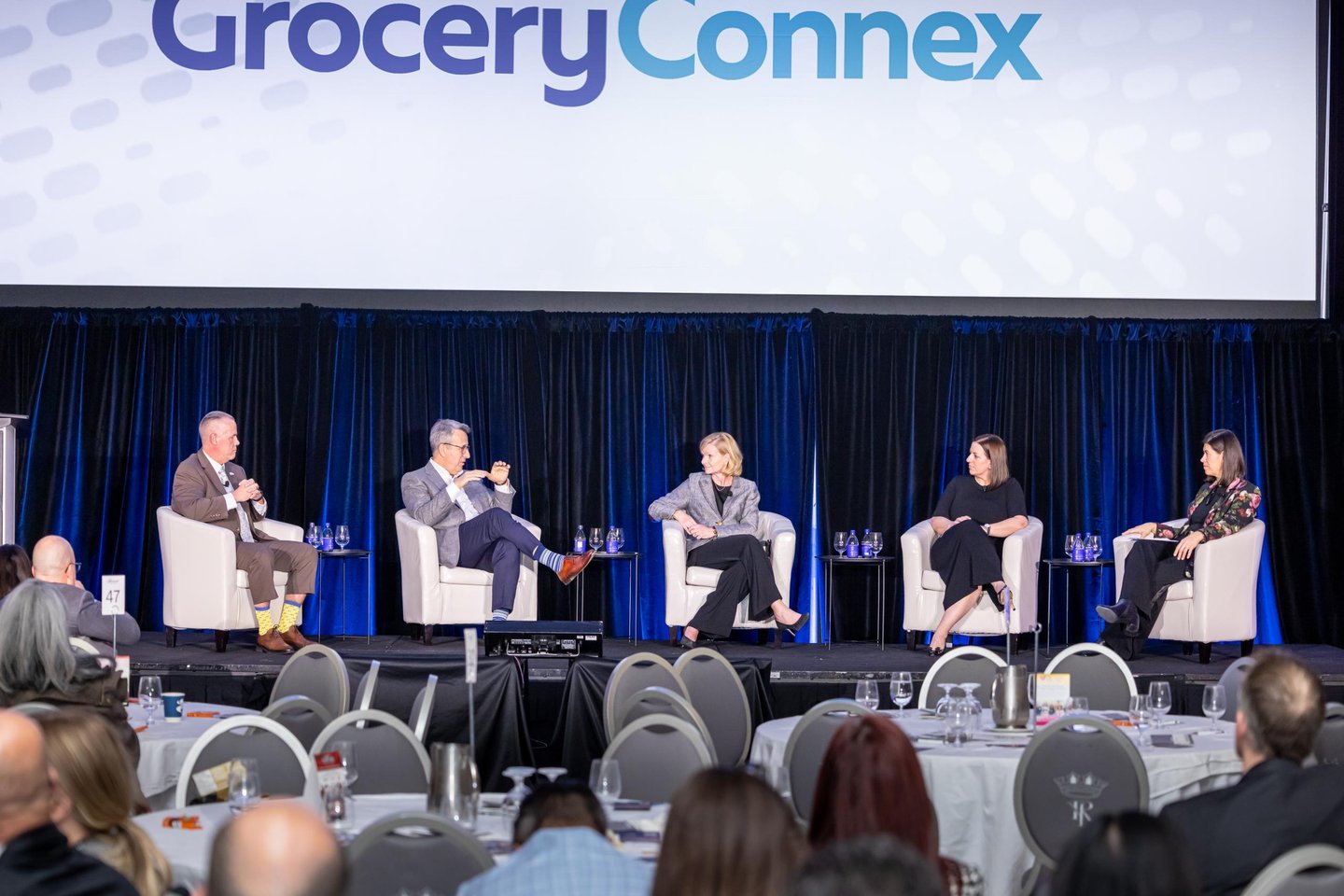
This topic came to life during a panel discussion at Canadian Grocer’s Grocery Connex conference, featuring industry leaders Jamie Nelson (Pattison Food Group), Venessa Yates (Walmart Canada), Marc Giroux (Metro) and Deb Craven (Longo’s). Each discussed how they’re using technology, store layouts and product assortment to make shopping easier—and even a little delightful.
“Shopping is a bit of a chore, it’s a bit of a pain point I think for most customers,” said Yates. “So, you need to make it a bit of a delightful experience, make it easy, make it seamless, get customers whatever they’re looking for when they’re looking for it and meet them where they are versus them meeting us where we are.”
READ: How are rising food costs impacting your business?
Nelson agreed. “We’re in business to fulfil the demands of the consumer,” he said, emphasizing that while shoppers seek value in a challenging economy, it’s quality—not price—that leaves a lasting impression.
“The key to the experience is ensuring you’re running a good store—it’s full, it’s fresh, it’s friendly,” he said. “And when the consumer comes in they’re getting what they’re looking for because they’re shopping around lots and if you disappoint them next time, when it comes to making a decision they’ll maybe turn right instead of left.”
For many grocers, part of that experience now involves technologies such as self-checkout systems that can improve customer satisfaction by eliminating wait times and streamlining the checkout process, among other benefits.
“Shoppers are looking for convenience—they’re money starved, but they’re also time starved,” said Metro’s Giroux. “So, our self-checkout process is a way to deliver them convenience.”
Giroux also pointed out that “not all customers are created equal” and finding the balance between self-checkout and the human touch of traditional cashier lanes can be a challenge. But, again, it all comes down to the customer.
“We have a lot of debate internally, have we gone too far in the deployment of self-checkout and how many hours we put at regular till?” he said. “A lot of the work done in our business is to understand store by store the customer satisfaction [of the checkout experience].”
READ: Retail power shifts in Canada
Craven echoed this sentiment, noting there would be a revolt if self-checkout lanes weren’t an option at urban locations such as Longo’s Maple Leaf Square location in downtown Toronto; customers want to be in and out of the store as quickly as possible. In other markets, however, the idea of a self-checkout would be exhausting to some customers.
“Longo’s prides itself on the guest experience in the store … That experience is so important,” she said. “The North Star we mould ourselves to is, again, I’m going to sound like a broken record, but meeting the guests where they are.”
Equally critical to a smooth checkout is the shopping journey that precedes it—driven, in large part, by effective store design, the panel agreed.
“I want to give our customers time to spend on what they want to spend it on, not what they have to spend it on. Sometimes customers just want to get in and get out and find what they’re looking for in a really easy way,” said Yates. “So, the role of navigation signage is really important, the role of really clean aisles and making sure we’ve thought out the flow is really, really important.”
Costs are rising across the board, but real estate—taxes, cost of square footage, etc. —is the biggest spike, said Nelson, which is why maximizing space and assortment is so important.
READ: The rise of autonomous shopping
“We need to ensure we’re getting the most of that and sweating that as much as we can,” he explained. “So, that’s why assortment is so important and that’s where innovation is so important … You need to design your store for the convenience of the consumer, but you need to have the products in the time they’re looking for.”
Despite a rise in digital technology, one marketing vehicle endures: the paper flyer. It has weathered everything from Canada Post disruptions to COVID blackouts periods and proves, in retail, there’s an audience for everything.
When it comes to digital versus paper flayers, no two stores, regions or customers are the same, said Giroux. “The paper [flyer] is still important, especially in rural areas,” he said. “In more urban areas, digital is more penetrated, so you have an opportunity to reach your customer then and you can do the personalization, the relative content, etcetera, etcetera, but not all customers are equal, not all regions are equal.”