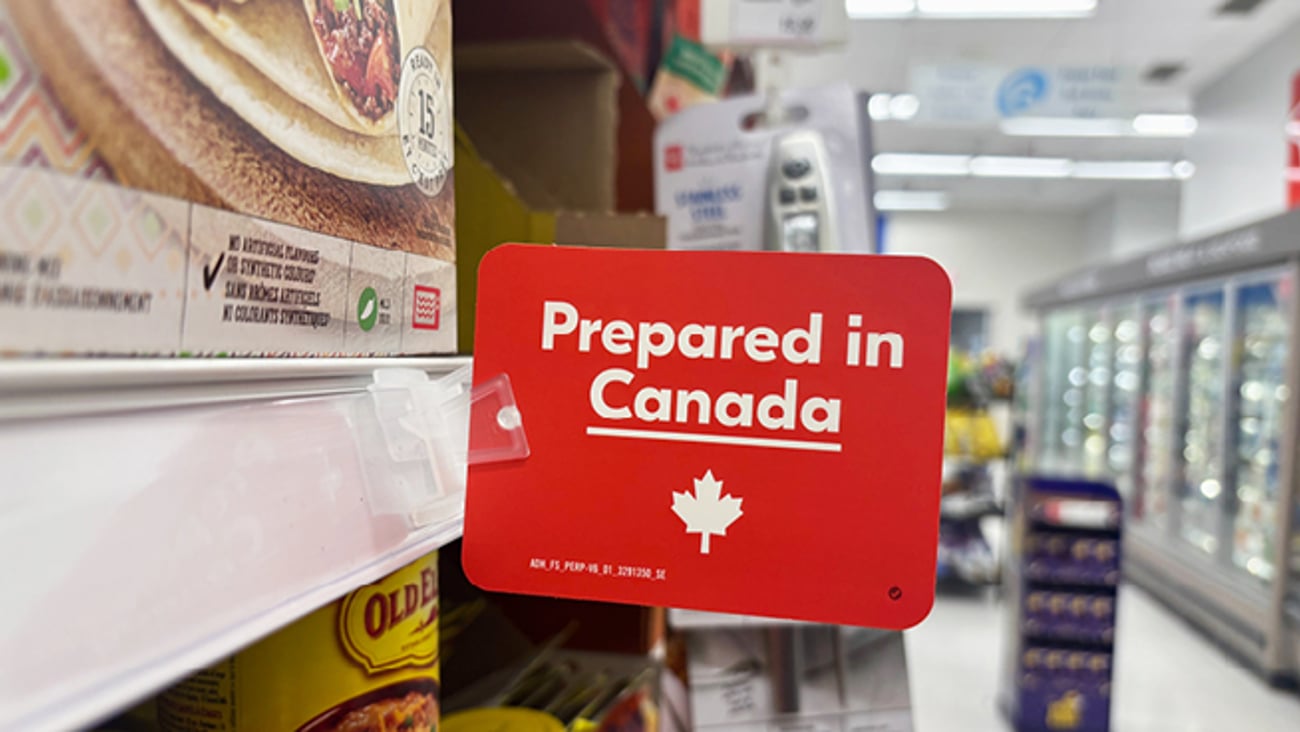
Retail power shifts in Canada
Kantar’s latest five-year forecast reveals a dramatic transformation in Canada’s retail landscape. Three forces are driving this shift: the rise of Costco as a market leader, the rapid expansion of value formats and the accelerating growth of e-commerce. For brands, understanding these dynamics is essential to capturing growth in an increasingly competitive environment.
Costco’s rise to the top
Costco is on track to surpass Loblaw in sales by 2030. This shift reflects Costco’s consistent performance and its ability to deliver both value and quality, particularly through its private-label brand, Kirkland Signature. Over the past five years, Costco’s growth rate has significantly outpaced that of Loblaw. The warehouse club has emerged as a key grocery destination, especially among new Canadians who increasingly recognize its appeal for value and product quality. Rising trip frequency and strategic club openings nationwide have further accelerated
Costco’s expansion and relevance. For brands, this underscores the importance of aligning with retailers that offer affordability while maintaining a premium perception.
The value of channel surge
While Canadian retail is projected to grow at a 3.3% compound annual growth rate through 2030, value formats are expanding even faster. Discounters are no longer competing solely on price. They are evolving to meet broader consumer needs, including indulgence and convenience. Retailers such as Dollarama, Dollar Tree and Giant Tiger are driving shopper satisfaction and loyalty by delivering value, convenience and a compelling product assortment at low-entry price points. Among shoppers of Metro’s Food Basics discount banner, 43% agree that pantry grocery delivery has improved; the figure is 41% for Giant Tiger shoppers. Chocolate and sweet snacks consistently rank among the top-performing merchandising groups at both Dollarama and Dollar Tree, reinforcing their role as key snack destinations for budget-conscious households. While rankings vary by region and season, these categories remain central to shopper missions.
READ: Grocers doubled down on online grocery shopping when COVID hit. Is it here to stay?
E-commerce maintains strong momentum
Digital commerce is expected to account for roughly one-third of incremental retail dollars over the next five years. Amazon and Walmart are projected to capture nearly two-thirds of online sales among Canadian online retailers. Also, Amazon stands out as the most cross-shopped retailer, reflecting its broad appeal and robust fulfillment capabilities.
While delivery remains the dominant method for online orders, remote pickup and buy-online-pick-up-in-store options are gaining traction. Both French Canadians and multicultural Canadians are showing an increased adoption of online retail compared to last year. For brands, the implication is clear: offering multiple fulfillment options is essential to meet diverse shopper preferences and capture share in an increasingly omnichannel environment.
READ: To remain competitive, grocers need crosschannel marketing
The baby category illustrates how digital channels are reshaping consumer behaviour. Baby food fulfilment is balanced between online and physical platforms, reflecting a decisive pivot toward embracing e-commerce. Online sales for baby food are driven by exclusivity, premium organic assortments and superior shopping experiences. Walmart and Costco remain dominant destinations for these categories, both online and in store, reinforcing the need for integrated channel strategies. Brands that fail to optimize their digital presence risk losing relevance in a category where convenience and quality are paramount.
What does this mean for brands?
Value and online channels will capture the majority of incremental retail dollars through 2030, outpacing traditional formats. To remain competitive, brands must prioritize partnerships with high-growth retailers such as Costco, Dollarama, Giant Tiger and hard grocery discounters. They must also invest in robust digital capabilities to capitalize on the accelerating shift toward e-commerce. Aligning strategies with key performance drivers, including value, convenience and assortment, will be critical to sustaining shopper loyalty and driving long-term growth