
Soaring diesel prices squeeze already tight agriculture margins: Farm Credit Canada
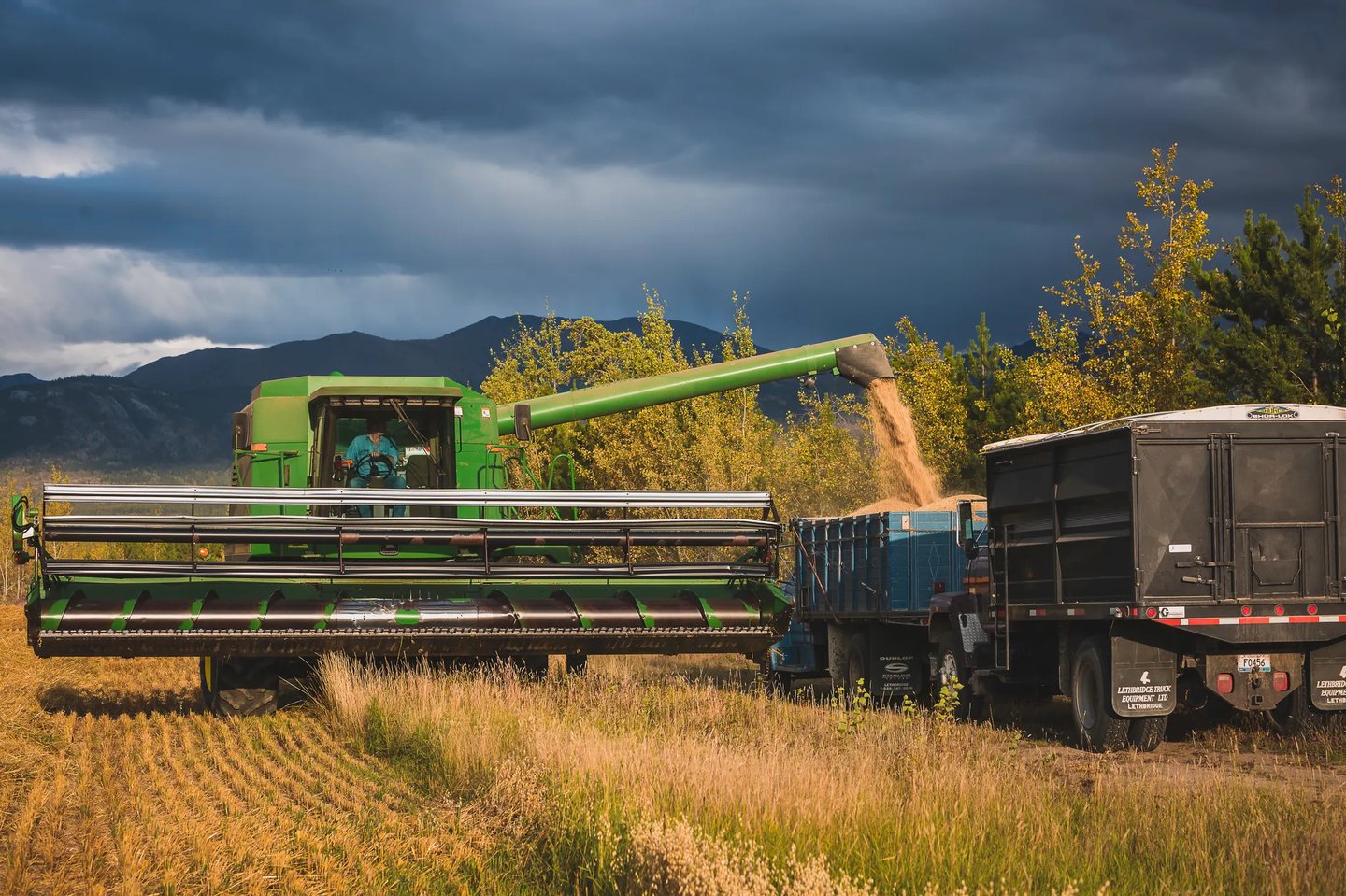
Record-high diesel prices are squeezing already tight margins for farmers, but the affect on products in the grocery aisle has yet to be felt, a report from Farm Credit Canada says.
The Crown corporation, which provides financing and advisory services to the agriculture sector, looked at the Saskatchewan government's cost production guide released in January and then calculated an 80% spike in per litre diesel prices.
Natural Resources Canada says the national average price for a litre of diesel averaged $2.68 for the week ended Tuesday, up from $1.50 during the same week of 2025.
In an extreme case when a farm was unable to pre-purchase any fuel at lower prices, FCC estimates a 2,000-hectare canola farm in the Prairie province would see its fuel bill rise by between $68,000 and $106,000 in 2026.
READ: Diesel prices surge to historic highs, hitting consumers harder than ever
For Ontario, FCC calculated a squeeze on margins of $16 to $30 per acre as a result of higher fuel costs.
"It's not just diesel right now, although that's definitely a top of mind for a lot of folks," chief economist Craig Johnston said.
Farmers are also contending with weather challenges. Rainy conditions in the spring delayed seeding in many regions, leading to a late harvest, while rain in the fall made it harder to get crops off the field and affected quality in some cases. Rising fertilizer costs have also been a challenge.
Johnston said one helpful strategy has been to pre-pay for fuel during dips in the price and store it on-site for future use.
"It's going to vary operation to operation, so it's not a solution for every farm," he said. "But it's certainly been a success story for some farmers to be able to head off some of the volatility we're seeing."
Higher diesel costs don't end at fuel for tractors and other farm machinery. It's also reflected in how crops get to market.
"We can't forget the fact that basically the whole transportation system, to some degree or another, really relies on diesel as a primary energy source," Johnston said.
Fuel service charges for truck transport have risen to 45% of the base freight charge, up from 25% earlier this year, Johnston said.
Mullen Group Ltd., an Alberta-based trucking and logistics firm, reported its third-quarter earnings on Thursday, which included a $37.7-million increase in fuel surcharge revenue for the three months ended Sept. 30.
"These are often difficult discussions to have with our customers, but are absolutely necessary," the company said in its quarterly report.
On the flip side rail freight costs have risen less than 1% this crop year, the report said. One reason for this is that the Canadian Transportation Agency has rules limiting how much in revenue major railways can receive for transporting Western Canadian grain.
"We really haven't seen that pass through in higher fuel prices come through in terms of rail costs yet, but it's something we're looking at closely," Johnston said.
At the margins, some producers could switch from costlier truck to rail where possible, he said.
As for how that filters through to grocery bills, the report said diesel costs are only one contributor to food inflation and, if anything, that has moderated somewhat in recent months. Historically it's taken six to nine months for elevated input prices to filter through to the grocery shelf and other factors, like a weaker loonie, have had a greater impact, Johnston said.
"We've yet to see these input cost pressures, specifically fuel cost pressures, being passed through to food," he said.
"Will we in the future? I think that it's an open question right now."