
2026 Impact Awards winners: Sustainability
Now in its sixth year, the Canadian Grocer Impact Awards celebrate Canadian grocery retail and CPG businesses that are going above and beyond to make the world a better place.
This year, a number of companies are recognized for making a positive impact in the areas of Community, Supporting Employees and Sustainability. Additionally, ten leaders have been named Impact Champions for their exceptional impact across multiple areas.
See the full list of winners here.
Read on to learn more about the 2026 Impact Awards winner in the category of Sustainability.
BEL CANADA GROUP
For Bel Canada Group, sustainability doesn’t stop at its own operations. Recognizing that dairy production accounts for roughly 35% of its greenhouse gas (GHG) emissions, the company launched a five-year, $3.7-million partnership with agricultural consulting firm Logiag in January to help decarbonize Canadian dairy production. “This initiative is important because it goes beyond reducing Bel Canada’s own footprint,” says Jo-Annie Tétreault, senior manager, sustainability. “It reflects a broader ambition to help accelerate the transition of the dairy sector by creating shared value across the supply chain.” The program is already underway with 34 dairy farms across Quebec through Logiag’s Dedicated Dairy Farms program. Participating farms measure their GHG emissions, receive customized decarbonization roadmaps and adopt sustainable farming practices, with results verified using a methodology validated by SustainCERT. Bel aims to reduce emissions linked to the milk used for Mini Babybel production at its Sorel-Tracy, Que. plant by approximately 30%, or 12,000 tonnes of GHG emissions—the equivalent of removing about 10,000 cars from the road annually—by 2031. “The hope is also that this kind of initiative will help influence other players in the industry to follow suit, accelerate action and contribute to a more connected and resilient value chain,” says Tétreault.
CHA’S ORGANICS
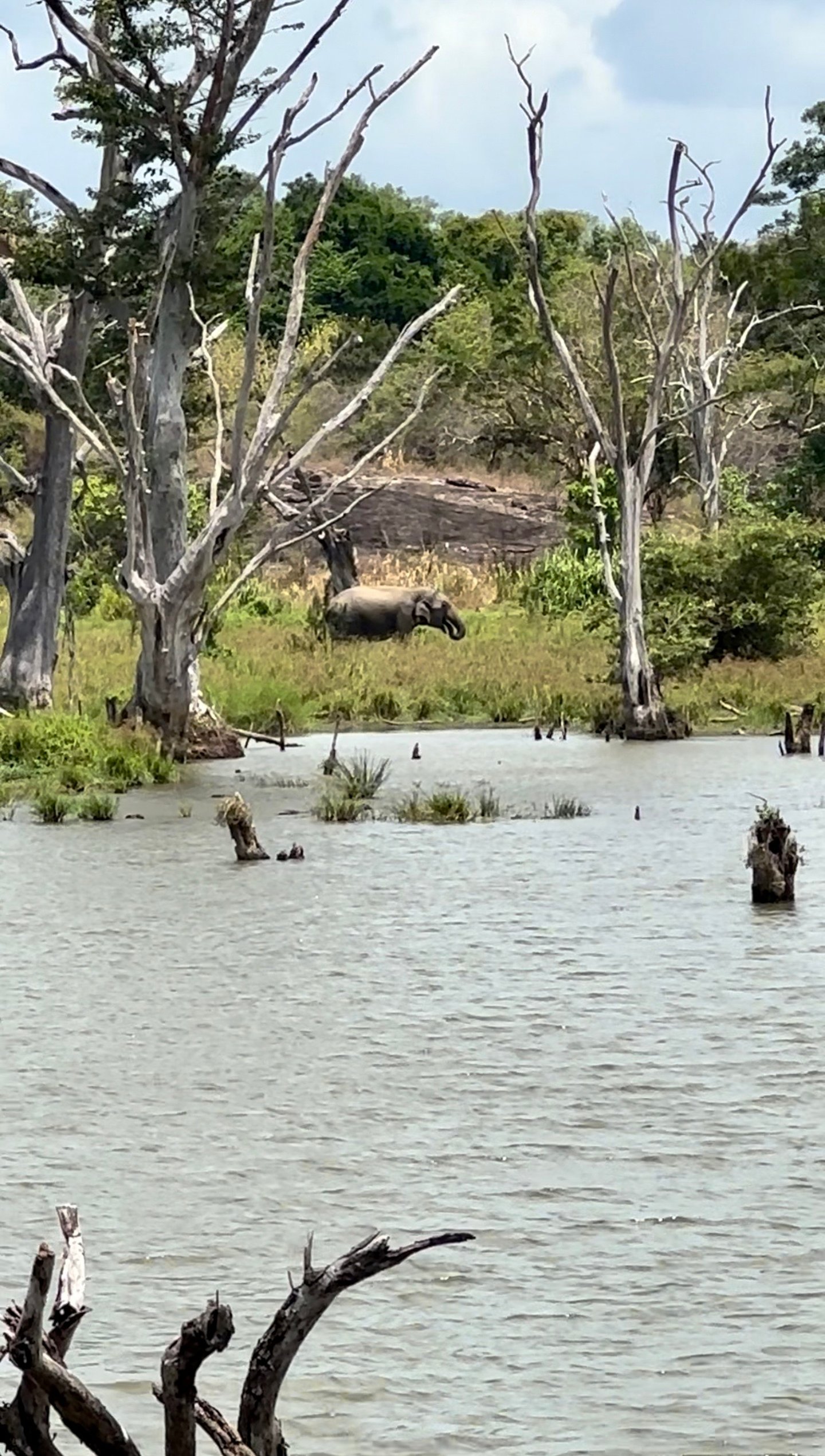
Elephants hold symbolic cultural and spiritual importance in Sri Lanka, but these animals are undergoing immense pressure from widespread habitat loss and conflict with humans over resources. Cha’s Organics, which sources its products from Sri Lanka, is restoring a watershed used by wild elephants in the country. The company’s 1% donations from sales of coconut milk products helped clear an aqueduct and expand the watershed so elephants can thrive yearround. As a result, elephants no longer need to traverse dangerous train tracks to seek water. “Alongside our commitment to regenerative organic agriculture, our 1% For the Elephants fund supports wildlife conservation close to our hearts,” says Chanaka Kurera, co-founder and co-CEO of Cha’s Organics. “In Sri Lanka, elephants are sacred creatures bound to the Earth and the spiritual realm, and working with local communities to protect them is a profound gift.” Cha’s is also sourcing ancient heirloom rice varieties from Sri Lanka that use less water per acre, and no chemical insecticides or fertilizers. Farming practices used for the rice also help trap carbon and protect watersheds from pesticide contamination. Seeing the results of richer soil and thriving biodiversity in his native country “is a dream come true,” Kurera says.
DANONE CANADA
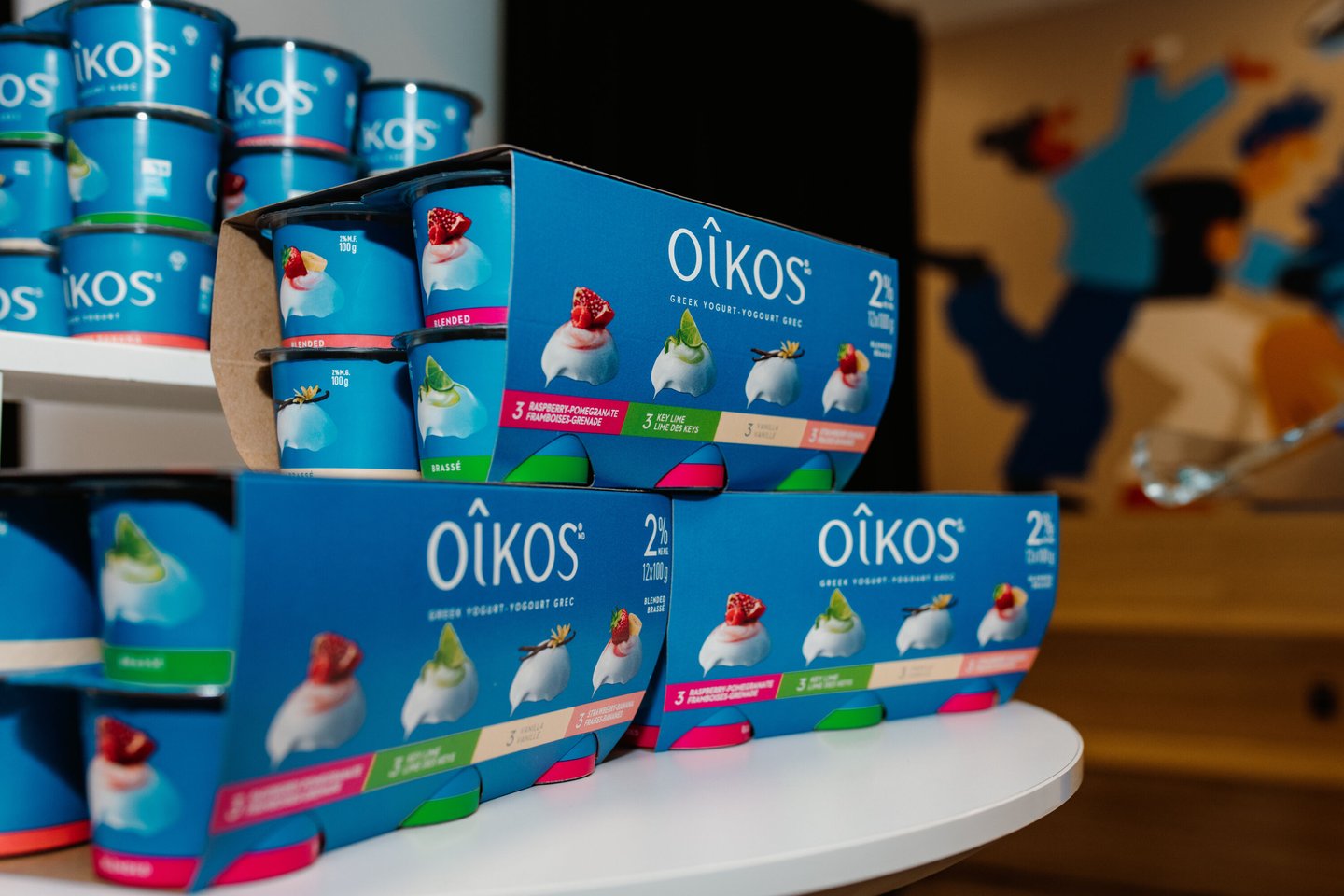
Danone Canada invested $9 million in its Boucherville, Que. plant last year to launch production of individual Oikos yogurt cups made from polyethylene terephthalate (PET) resin. The project, supported by key public-sector partners, aims to reduce plastic use, improve recyclability and advance more circular packaging solutions at scale. The initiative demonstrated how circular economy principles can be translated into large-scale action. The company is now exploring the idea of extending circular packaging innovation to other brands. The project has created both operational learning and proof of concept, which can inform future efforts to reduce plastic use, improve efficiency and advance packaging solutions that are closely aligned with circular economy principles. “This project is a testament to the ambition and dedication of our teams to drive sustainability at scale,” says Pascal Lachance, director, sustainability at Danone Canada. “By investing in innovative packaging solutions that improve recyclability, we’re helping advance a more circular economy while demonstrating that business performance and environmental stewardship can go hand in hand.”
FLASHFOOD
For nearly a decade, Flashfood’s app has been connecting shoppers with surplus groceries at a discount—and the company has just experienced its biggest year of growth yet. “Flashfood’s mission is to feed families, not landfills,” says Esther Cohn, vice-president of communications and public affairs. “Sustainability is built into the business model, so that business success equals mission success.” In the last year, Flashfood has added more than 300 stores, expanded into new North American markets and strengthened its leadership team. Flashfood also introduced technology for retailers through its Flashfood for Partners app and launched a loyalty integration feature, helping stores manage surplus inventory more efficiently while giving shoppers even greater value. To date, Flashfood has diverted nearly 180 million pounds of food from landfills while helping shoppers save more than $400 million on groceries. Looking ahead, the company plans to continue expanding into new markets while investing in technology that helps retail partners reduce shrink and keep more food out of landfills.
GEORGIA MAIN FOOD GROUP
For Earth Month, Georgia Main Food Group brought its Fresh St. Market and IGA Stores of BC together with local conservation organizations in their communities to raise funds for these not-for-profit groups. “These organizations are unsung heroes, and we felt Earth Month was a perfect opportunity to highlight the conservation work they do in the communities we serve,” says Tom Truchan, director, health and food safety, sustainability and logistics. “We are proud that 8,600 of our customers chose to support this initiative, raising over $20,000 for these groups.” Additionally, on Earth Day, the company’s stores took part in environmental education, encouraging sustainable habits among young learners: The retailers provided Grade 4 students with tree seedlings to take home and plant, highlighting the vital role trees play in reducing atmospheric CO2 levels and contributing to a healthier environment. “By planting their seedlings, students had the opportunity to participate in a meaningful, hands-on activity that reinforces the importance of environmental stewardship,” adds Truchan.
KRUGER PRODUCTS
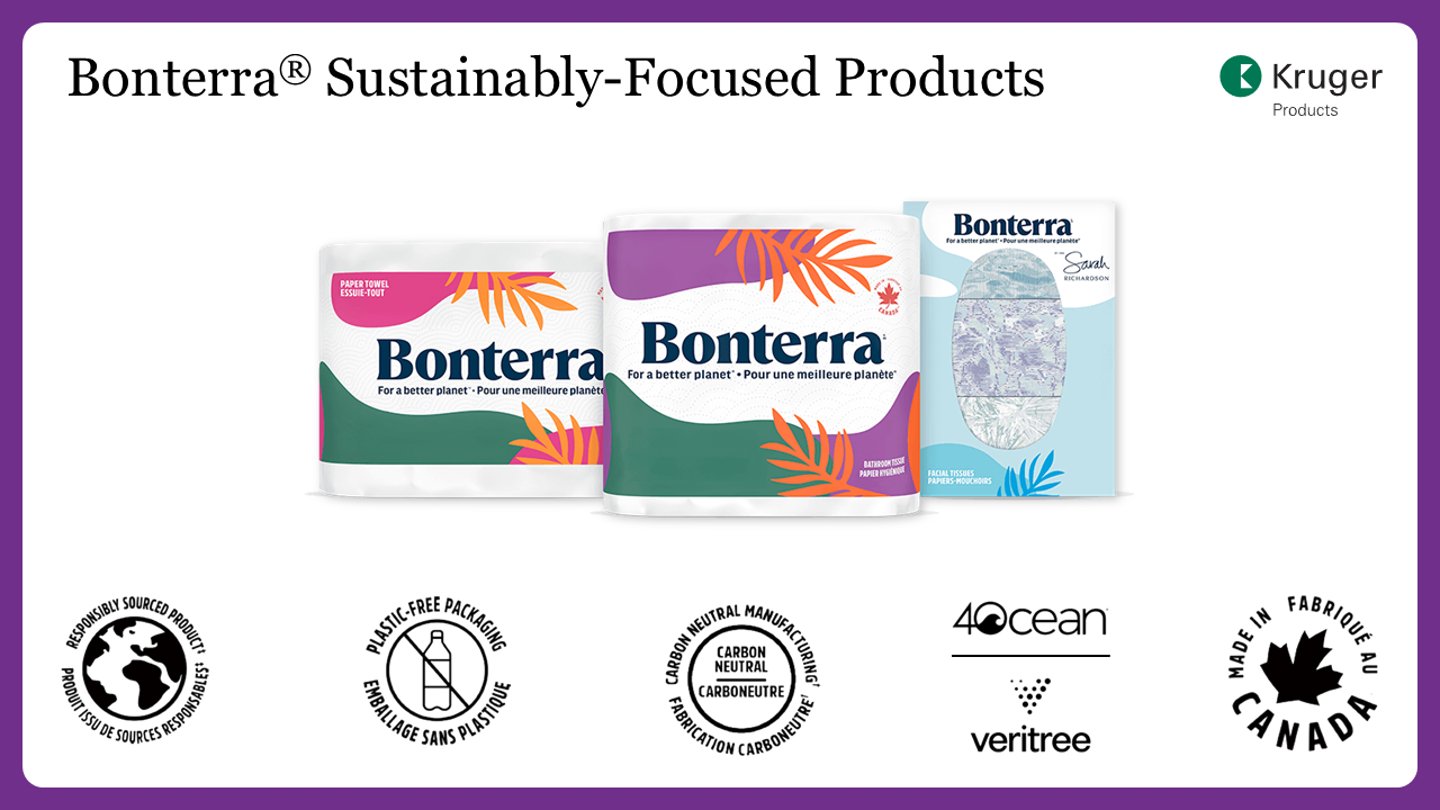
To make environmentally conscious purchasing easier, in 2022 Kruger Products launched Bonterra: a sustainability-focused line of bathroom tissue, paper towels and facial tissues. “Bonterra was inspired by a simple idea: making sustainability feel more accessible and actionable for Canadians,” says Susan Irving, Kruger’s chief marketing officer. “We know consumers want to make environmentally conscious choices, but they can sometimes feel overwhelmed by where to start or wonder whether individual actions really make a difference.” Made in Canada, Bonterra products comprise 100% recycled FSC-certified fibre, plastic-free packaging and carbon-neutral manufacturing. Every aspect of Bonterra—from sourcing and manufacturing to packaging and partnerships—is intentionally designed to reflect and advance Kruger Products’ Reimagine 2030, the company’s 10-year sustainable development strategy launched in 2021. Through partnerships with 4ocean and veritree, Bonterra has helped remove more than 483,224 pounds of plastic from oceans while supporting the planting of 100,000 trees across Canada each year. “By connecting everyday purchases with tangible environmental action, Bonterra helps consumers play a role in positive change and demonstrates how small choices can contribute to a larger collective impact,” says Irving.
LACTALIS CANADA
As part of its climate and energy strategy, Lactalis Canada and investment platform Sofiac invested about $10 million to implement a decarbonization project at its manufacturing facilities in Victoriaville and Laverlochère, Que. Energy-saving measures were deployed at the two facilities to reduce energy consumption and GHG emissions. New electric duct heaters were installed in Laverlochère to replace propane-based heating on the dryer tower. In Victoriaville, the project included a heat recovery system using a heat pump and thermal storage to capture and reuse waste heat. The project is expected to reduce overall energy consumption by about 11% and GHG emissions by roughly 28% in the two facilities. These reductions represent the equivalent of removing 1,700 cars from the road each year.
SAVE-ON-FOODS
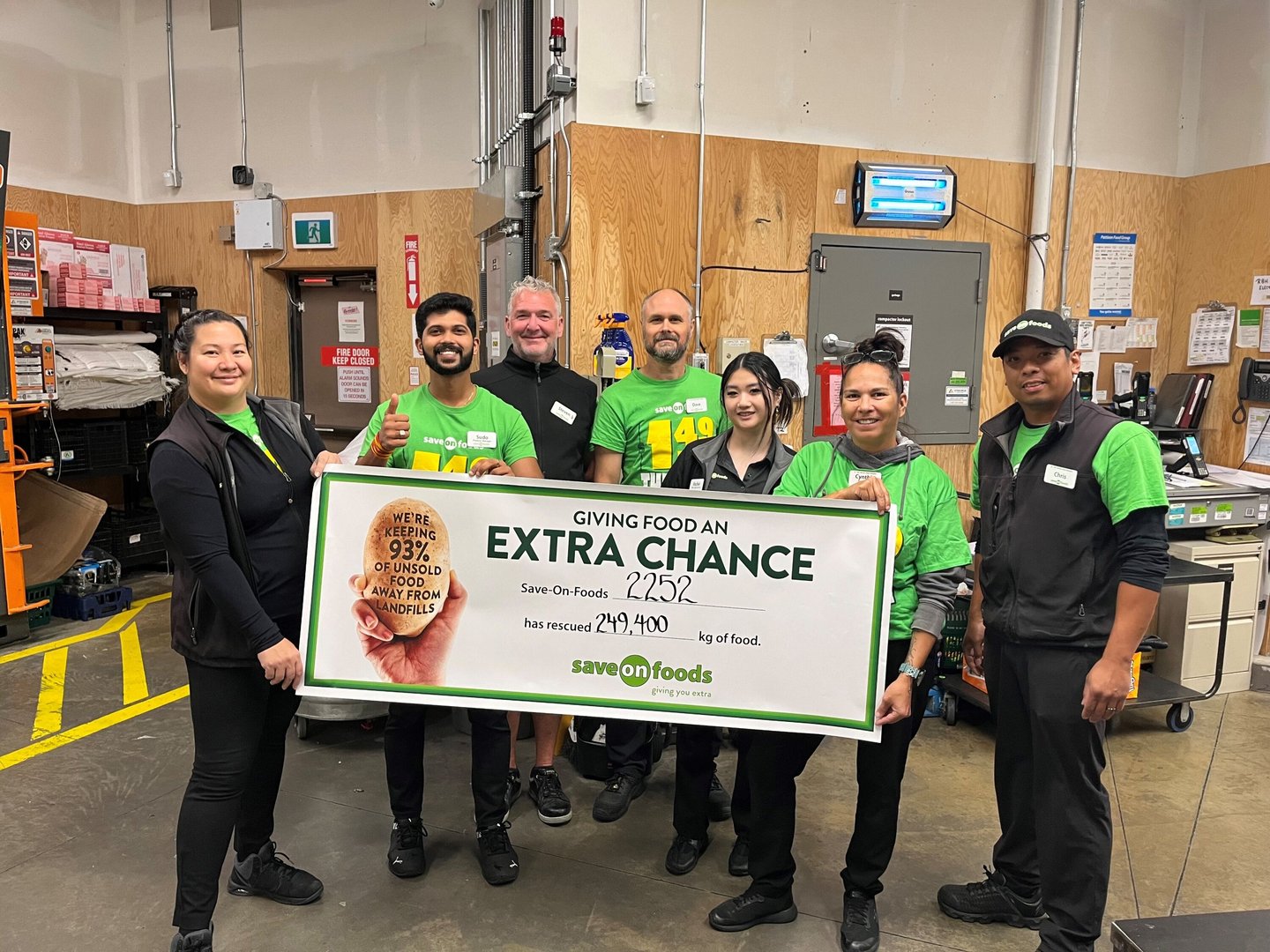
Save-On-Foods continued to build on its Zero Food Waste initiative in 2025, pairing strong environmental results with support for communities, charities and local farms. More than 94% of food and organic material across the company’s operations is now diverted from landfill, with more than 80% going to charitable organizations and small farms. Each year, the program helps provide more than 17 million meals, supports more than 1,700 farms and prevents at least 42,100 metric tonnes of carbon dioxide emissions. In 2025, the grocer refreshed its Giving Food an Extra Chance campaign, sharing stories from store team members, food bank partners and farmers who help give surplus food a useful second life. The initiative has continued to grow alongside the business. Despite adding more than 70 stores since 2016, Save-On-Foods has reduced annual emissions associated with unsold food by more than 14,000 metric tonnes. “Food rescue is highly localized, requiring strong relationships with charitable organizations and farms, as well as careful co-ordination by store teams,” says Kara Mitchell, senior manager, government affairs and ESG strategy, Pattison Food Group, parent of Save-OnFoods. “As our business has expanded, we have worked hard to ensure the same high standards, data tracking and food recovery processes are in place in every community we serve.”
SOBEYS INC.
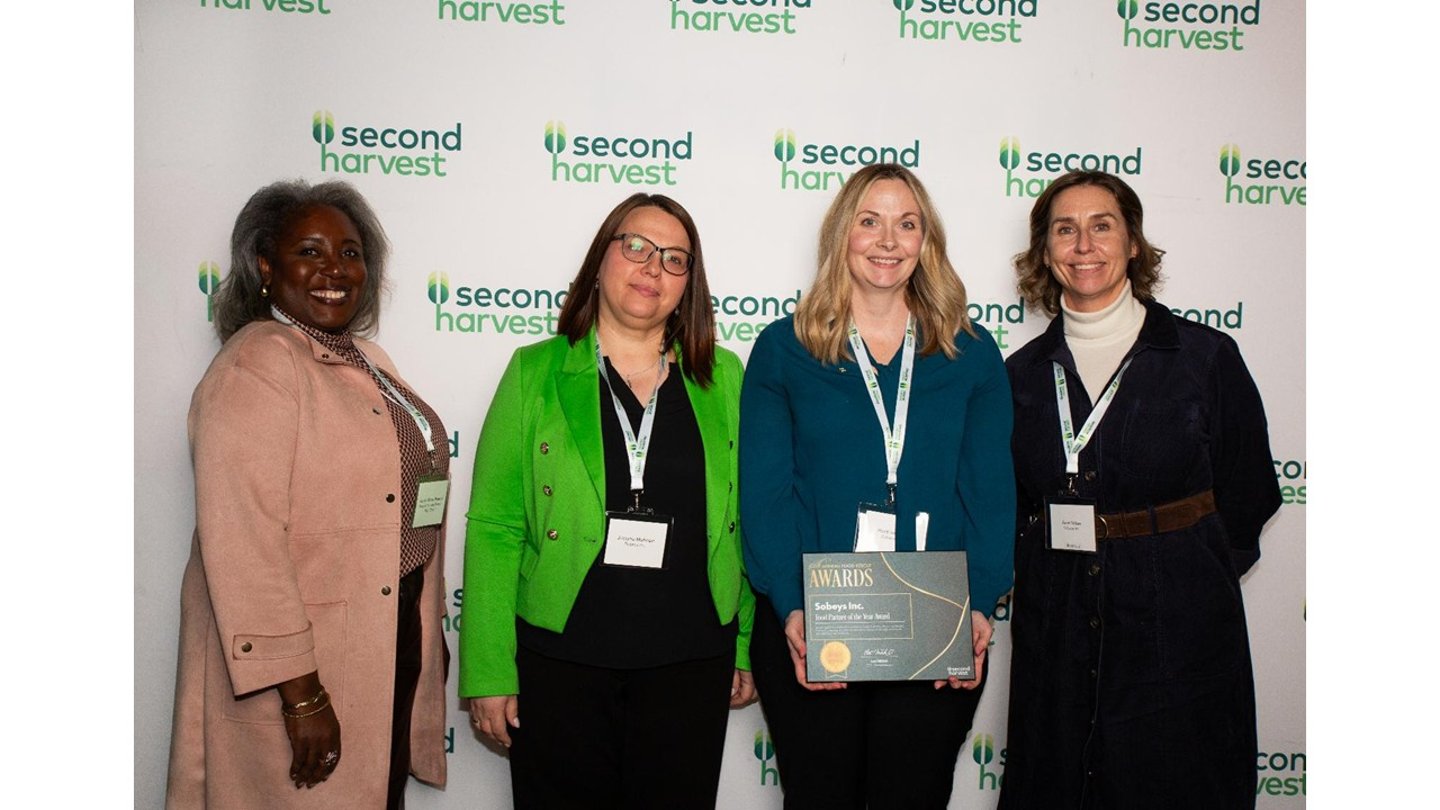
Sobeys has reached a major sustainability milestone, reducing food waste across its operations by more than 50% compared with 2016 levels—all the while helping redirect millions of pounds of surplus food to Canadians in need. The company’s Feeding Families, Not Landfills initiative combines food rescue, discount programs and circular economy efforts to keep edible food out of landfills. Working with partners, including Second Harvest, Banques alimentaires du Québec and FoodHero, Sobeys donates approximately 30 million pounds of surplus food annually and has become the first retailer in Second Harvest’s history to donate more than 100 million meals. The company was also named Second Harvest’s Partner of the Year for the fourth consecutive year. “As Canada’s largest retailer, we have not only the reach but the responsibility to take action,” says sustainability manager Heidi Ivosevic. “Without the passion and dedication of our front-line teammates to reducing food waste, we wouldn’t have achieved those targets.” With its 50% reduction target achieved, Sobeys is now expanding its circular economy efforts by diverting food scraps to animal feed. Current pilots include Loop Resource in Alberta and FoodMesh in British Columbia, while the company continues exploring additional regional partnerships to keep unavoidable food waste out of landfill.
YORKSHIRE VALLEY FARMS
Yorkshire Valley Farms (YVF) believes the future of sustainable agriculture will be shaped by the next generation of innovators. Since 2021, the company has funded and administered the Canadian Eco-Scholar Award, providing a $10,000 annual funding pool to support students exploring ideas that could shape the future of organic regenerative agriculture. Yorkshire Valley Farms has also committed to investing $100,000 in the program by 2030. “YVF has been involved with the Guelph Organic Conference (GOC) for many years,” explains Krysten Cooper, vice-president of corporate culture and sustainability. “As we learned more about the Eco-Scholar Award, which was started through the GOC, we felt it aligned so closely with our values and our commitment to building long-term resilience within the agriculture community that we wanted to get involved more with the program.” The award supports students researching innovative solutions, from reducing GHG emissions on farms to improving pollinator health and strengthening local food systems. “The students we meet through the Eco-Scholar program are working on ideas that could fundamentally shift the future of organic agriculture and the food we eat,” says Cooper. “We want to be part of supporting those ideas and encouraging those students to continue to work and explore and challenge the status quo.”
Winners of the 2026 Impact Awards are featured in Canadian Grocer’s August issue.