
Back-to-school boom: How to win the lunchtime crowd
In case parents and children have forgotten the fleeting nature of summer, retail stores of all kinds will soon be here to remind them. Along with the dog days of the season, August brings with it back-to-school displays, deals and purchasing decisions, as consumers load up for another academic year.
Anticipating the school lunch and snack needs of customers has become a retail rite of late summer. Or, more accurately, early spring, as stores and food manufacturers prepare well in advance for one of the most important sales periods of the year. According to Ipsos FIVE research, 80% of Canadians pack lunches to take to school.
“This is the time when consumers are pantry-loading for those shelf-stable items,” says Jo-Ann McArthur, president at Nourish Food Marketing. “We saw a lot of that back in COVID, and I do think back to school is a good opportunity for people to pantry-load, just to price-protect.”
Lynne Strickler, senior director and head of brand management & commerce marketing, Canada for Conagra Brands, cites a 2024 Financial Post article—which included survey data from NerdWallet Canada—as a reason to concur with McArthur. “Last year, Canadian parents planned to spend an average of $743 on back to school—up significantly from the prior year—and we don’t anticipate that number going down in 2025,” she says. “There’s a clear opportunity to support shoppers with affordable and easy-to-pack lunch and snack solutions.”
Indeed, winning the back-to-school period is a collaborative effort, with retailers and manufacturers sharing the spoils of victory. To be successful, both parties must be aware of the emerging trends driving consumer behaviour when it comes to lunch and snack-packing. And while every family is different, certain trends are clearly rising above the rest.
Broadly speaking, health and nutrition remain key differentiators for shoppers looking to do more than simply stuff their kids with enough calories to get through the day. According to 2024 research from Innova Market Insights, the top three ingredients Canadian consumers are looking for in their snacks are protein, fibre and vitamins. Zooming out to a global perspective, Innova reports a 38% average annual increase in children’s snack launches that made a high-protein claim between 2022 and 2024. Shoppers are looking carefully, too, with 33% of global consumers saying they always look at ingredients of interest on packaging. As health-conscious families look to give school-age children a dose of nutrition in their treats, products made from legumes, vegetables and fruits are rising alternatives to chips, cookies and candy.
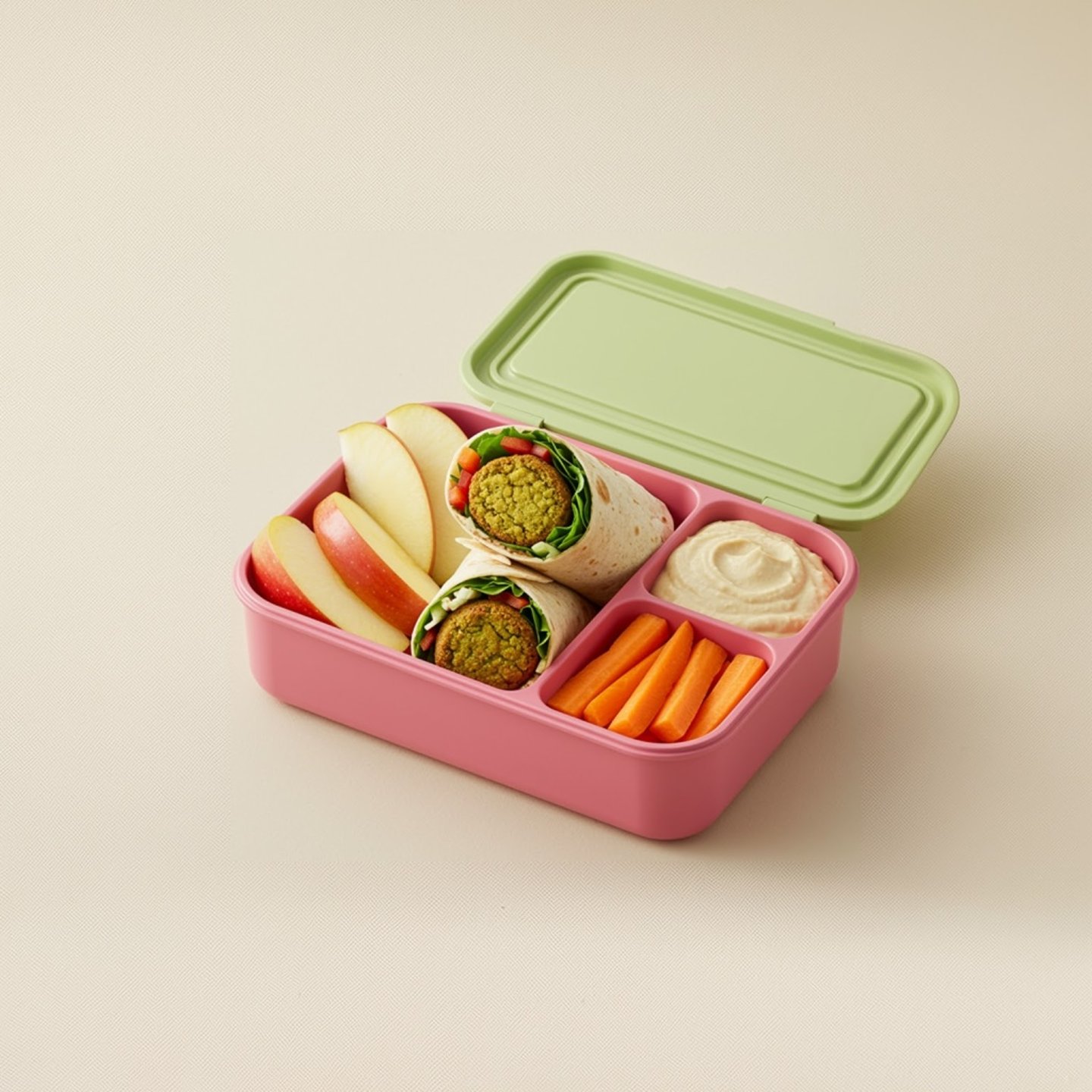
As ever, convenience and cost are also influencing both consumer behaviour and product innovation. Weekday mornings are frenetic times for families, and bento boxes and bowl-style meals are popular choices for shoppers looking for a full meal in a grab-and-go package. In fact, 45% of Canadians in a 2024 Innova survey said economic uncertainty and the cost of living had become more important to their food and drink decisions in the previous 12 months—the highest of any single issue.
With all of this in mind, here is more on the most notable back-to-school trends of 2025:
The nutrition mission
With health information readily available and much-discussed, families are better armed than ever to weigh the merits of the food that goes into their kids’ lunchboxes. School lunches have been swept up in the broader trend towards protein, which provides energy, builds muscle and, perhaps most importantly, satisfies hunger. “Protein is top of mind as families prioritize foods that fuel them throughout the day,” says Patrick Lutfy, senior vice-president, marketing and innovation at Maple Leaf Foods.
Lutfy says his company has been mindful of the protein craze, introducing new varieties of its Lunch Mate, Schneiders, Natural Selections and Greenfield brands. These have taken the form of new ingredients such as pepperoni and Genoa salami without visible cracked pepper—a visual cue that can turn kids off—and offerings from the Greenfield stable that make clean-label promises about functional, natural ingredients and the absence of artificial ones. “We’re introducing new varieties that reflect what Canadians are asking for, all prepared here in Canada,” Lutfy says.
McArthur has noticed the prominence of protein, too. She says dairy consumption is on the rise, winning back some of the market share previously lost to plant-based alternatives, with some new innovations featured in the comeback. “We’re seeing more high-protein yogurts in packs you can freeze.”
READ: A look at what's driving demand in the dairy category
Retailers are also conscious of the trend and point out that nutrition needs extend beyond protein. “We’re seeing growing demand for protein-rich, low-sugar options made with clean, recognizable ingredients, along with functional drinks that help with hydration,” says David Dubreuil, director of category management at Farm Boy. “Clear labelling is also a must—families want to understand what they’re buying.”
Farm Boy is meeting these expectations through many of its private-label products, while also addressing a growing trend towards convenient formats, he says. With time at a premium on school day mornings, options such as bento boxes and bowls are increasing in popularity. “[The popularity of] ready-to-go meals and bowls like the Farm Boy Falafel Bowl and Farm Boy Penne & Meatballs Meal For One are all on the rise,” Dubreuil says. “These formats give parents portion control and ease, while also keeping things fun and engaging for kids.”
It’s a similar story at Longo’s, where Joey Bernaudo, vice-president, merchandising, says formats such as these balance the need for convenience and nutrition. “Parents can get a little creative when packing [lunches], incorporating new shapes, colours and flavours to make healthy eating more appealing for little ones,” Bernaudo says. “Longo’s new protein bowls will be a popular option in the fall. They’re a quick, convenient, nutrient-dense lunch that will keep teens and adults fuelled through their busy days.”

The world in a lunchbox
Canada’s ever-changing population is also forever changing the flavours that appear in school lunches. According to Ipsos FIVE, traditional favourites such as cheese and sandwiches remain popular with older families, but 40% of prepared lunch foods consumed are multiculturally inspired dishes. For example, Longo’s bowls include Sesame Chicken and Tahini Maple Falafel flavours. “Our guests are adventurous when trying new flavours, and their excitement around global ingredients continues to grow,” says Bernaudo, who also anticipates a trend towards pairing international tastes with local produce. “Asian-inspired flavours will be popular as we approach the school year, with many parents taking inspiration from restaurant-style dishes to punch up lunches for their kids.”
Dubreuil concurs. “Families are discovering more global flavours, especially from Indian and Asian cuisines,” he says, pointing to Farm Boy Saag Paneer Side Dish and Farm Boy Mung Dal Side Dish products as examples. “This shift is influencing school lunch choices, with more parents opting for bold spices and adventurous ingredients.”
The multicultural influence also extends to the smaller snacks that help schoolchildren get through the day. Conagra’s Strickler reports a heightened consumer interest in the company’s Angie’s BOOMCHICKAPOP Sweet Chili Puffs, which feature a spicy-sweet profile.
Shifting demographics are only part of the story. It seems Canadians, regardless of where they or their parents were born, have a taste for adventure. “This generation, because of baby-led feeding, they just have more adventurous palates at a very young age,” says McArthur. “They’re exposed to more because they’ve been having little bits of their parents’ meals since they were six months old.”
As Marie-Josée Richer, co-founder of the Quebec-based food manufacturer Prana, says with a laugh: “I feel the Canadian consumer has broadened their palate. It took me until I was 20-something before I ate an avocado!”
Crunch time
Richer has come a long way since eating that first avocado. She co-founded Prana in 2005 as a certified B Corp company, manufacturing organic, plant-based, naturally and ethically sourced food products. Seventeen years later, as the pandemic prompted consumers to put even more emphasis on value, the company expanded beyond its organic mandate. And while avocados are known for their soft texture, Richer’s food focus is now louder in every sense. “I have three boys and I’ve made lunches every day from Monday to Friday,” she says. “I’ve always found it was a challenge to give them something salty that was also nutritious. They wanted something salty, crunchy, delicious—and not a chip.”
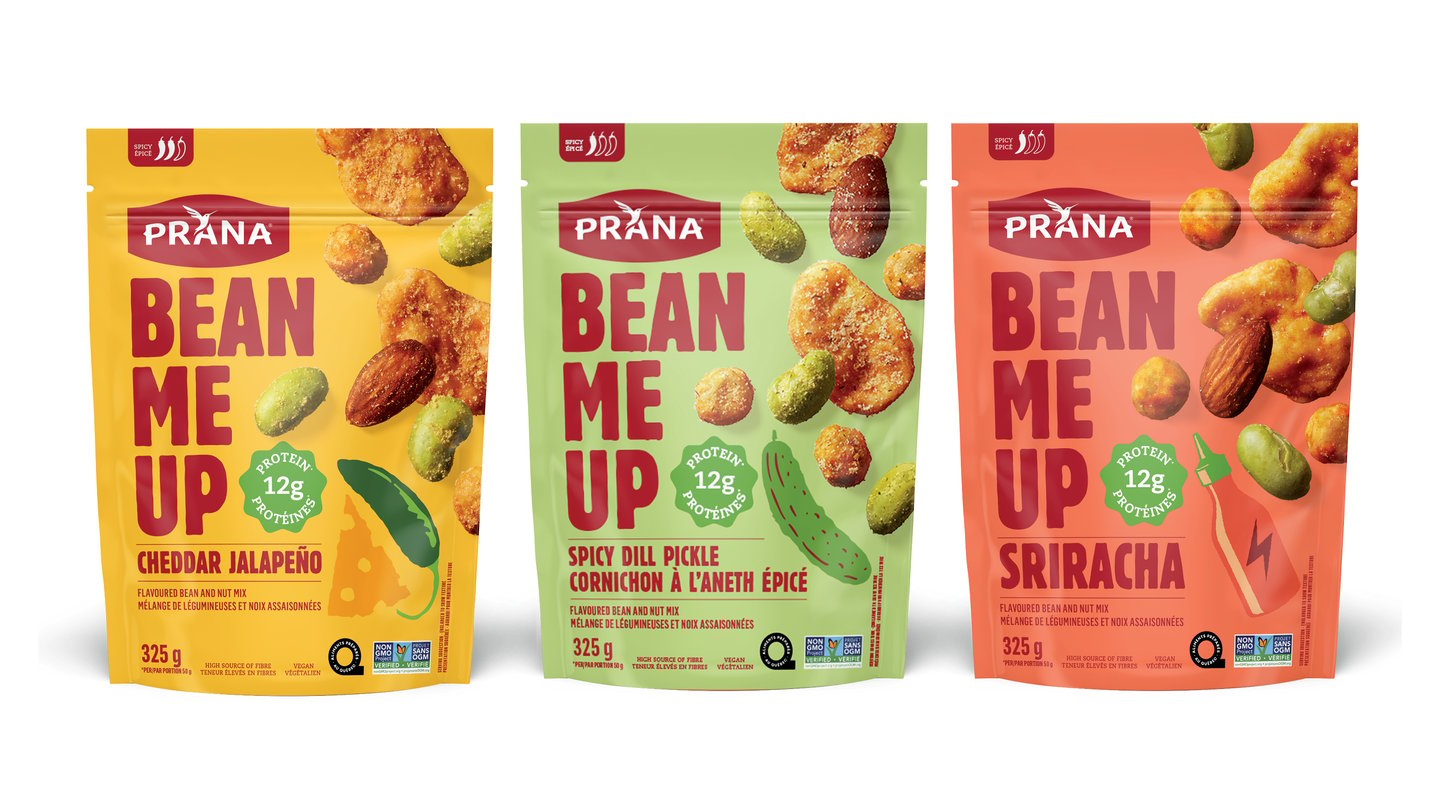
Hence the creation of Prana’s Bean Me Up, a bean-based snack that comes in Spicy Dill Pickle, Cheddar Jalapeño and Sriracha flavours. “We saw it in our data that bold flavours were really on trend,” says Richer, who took inspiration from the chip aisle. “We took the best flavours from chips and put them on legumes.”
Also on trend is the crunchy texture, which, according to Australian multidisciplinary therapy organization Patches, can benefit kids in ways ranging from jaw development to emotional regulation.
“Texture has become almost as important as flavour when it comes to making lunches more interesting,” says Bernaudo of Longo’s. “Kids and parents alike are looking for meals that feel satisfying, and mixing up textures is a great way to achieve that. For example, salads featuring greens with different textures help make lunches less mundane—replacing lettuce with kale, cabbage or spinach to pack a nutritional punch, or including add-ins like quinoa or couscous, nuts and seeds and fresh fruits and veggies.”
This article was first published in Canadian Grocer’s June/July 2025 issue.