Champagne defends reversal on seafood tariffs against U.S.
Finance Minister François-Philippe Champagne defended his government's quick backtracking on retaliatory tariffs against seafood and fish imports from the United States, after Ottawa got an earful about the planned duties.
Speaking at a news conference in Toronto on Thursday (Aug. 27), Champagne said the government listened to Canadians concerned with the countermeasures.
"My job is to fight for Canadian business, to fight for Canadian industry, to fight for Canadian fishers. Those are the ones that I listen to, " Champagne said.
"We made the update because I think that was the right thing to do in the interest of Canada."
Champagne also said the government does not "want any escalation" in the trade war, but must respond to damaging U.S. tariffs.
The Liberal government introduced sweeping tariffs on Tuesday, identifying more than 900 U.S. products that would get slapped with import duties ranging from 15% to 50%.
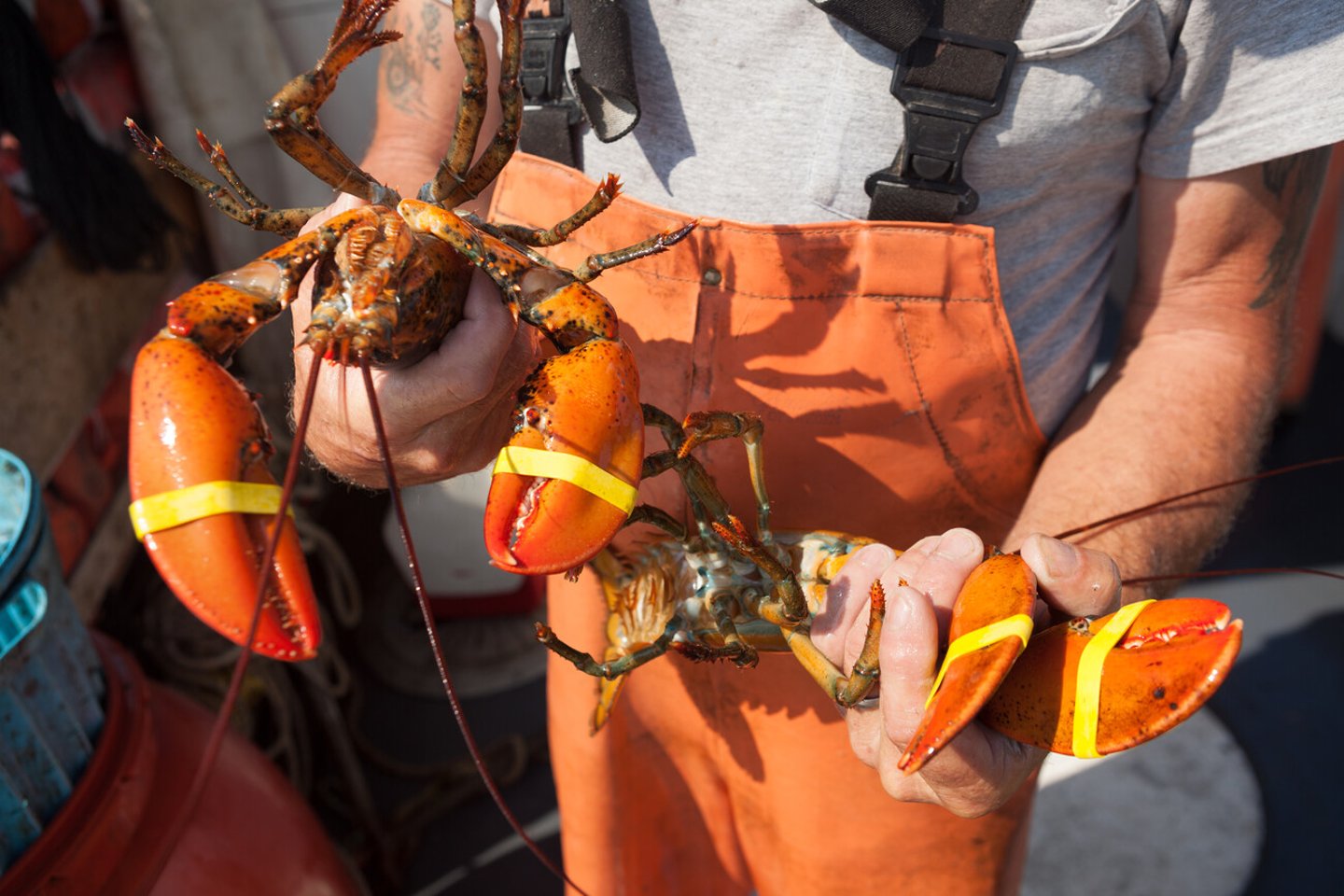
That included a 25% tariff on a range of fresh and frozen U.S. seafood and fish, including trout, eels, carp, tuna, lobster, oysters, shrimps and salmon.
It was the first time Canada targeted the U.S. seafood sector in the ongoing trade war with the United States, and took Canada's seafood industry by surprise.
By late Wednesday, the Finance Department said it would pull the seafood tariffs from the list that goes into effect on Sept. 8 to "protect against broader economic harms."
Canada's seafood sector is closely integrated with the United States, and both countries are each other’s top destination for lobster exports.
"It was concerning for industry because the United States is a very important market for Canadian seafood and if we did see retaliation from the United States, it could put a lot of Canadian markets in jeopardy that they had developed in the U.S.," said Peter Chapman, founder of the consultancy SKUFood.
"There's certain segments of the market where the processing is almost like the auto industry, where the product goes back and forth (across the border). If we had dealt with tariffs on both sides, it would become very expensive and very complicated."
The move rankled U.S. politicians and fisheries. The Maine Lobstermen Association warned its members could be become "collateral damage" in the ongoing trade dispute.
"Losing access to such an important market at the height of our fall season could be devastating to fishers and coastal communities,” its executive director Patrice McCarron said in an Aug. 26 statement.
Geoff Irvine, head of the Lobster Council of Canada, told The Canadian Press Thursday the industry had been caught by surprise by the counter tariffs aimed at seafood.
But he's happy they’ve been quickly removed and everyone is ready to "turn the page."
“It’s important to keep food and protein out of the tariff wars,” he said. “Everybody has to eat and we don’t want any additional inflation and costs for food products.”
When Canada drew up its list of initial tariff countermeasures in March last year in response to President Donald Trump first launching his trade war against Canada, the only U.S. seafood products Ottawa put in its crosshairs were shrimp and fish oil.