
Food prices top Canadians’ financial pressures
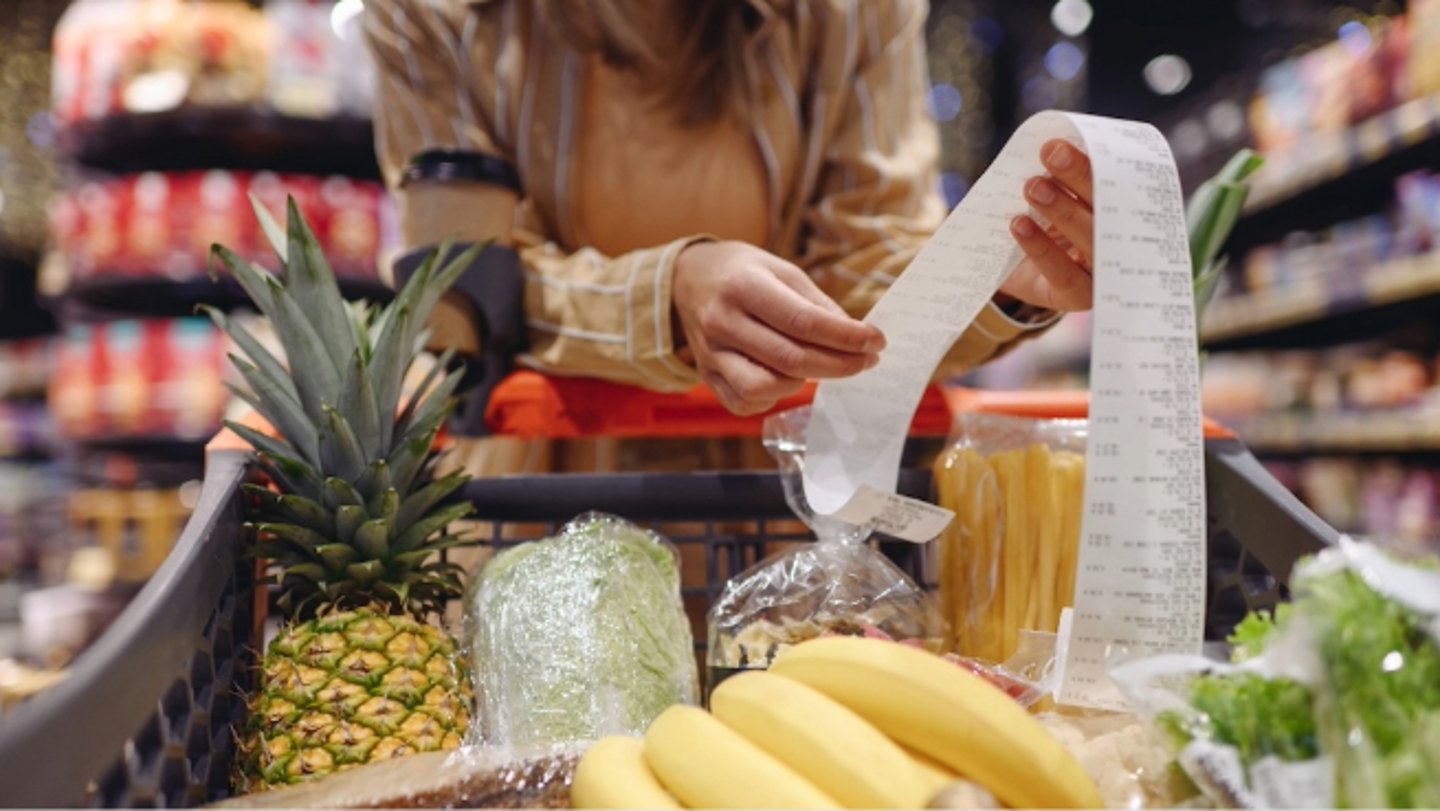
Food continues to top Canadians’ financial concerns, with more than four in five citing it as their main expense pressure. That’s according to the latest edition of the Canadian Food Sentiment Index by Dalhousie University’s Agri-Food Analytics Lab, supported by Caddle Insights.
The bi-annual index measures Canadians’ perceptions and sentiments on a wide range of food-related issues. More than 3,000 respondents are surveyed every six months, allowing researchers to track evolving trends and shifts.
In the fall 2025 edition, 80.6% of respondents said food prices have increased more than any other household expense in the past 12 months. That’s up slightly from spring 2025 (79.7%), but down from a year ago (84.1%).
Sylvain Charlebois, professor in food distribution policy and senior director at the Agri-Food Analytics Lab, says consumer sentiment is improving beyond the price shock seen in recent years.
“People are starting to accept their food-pricing fate, if you will,” he says. “It was very tough for everyone to manage over the last few years and now things are calmer… We’re dealing with a more rational consumer compared to a few years ago, when things were more sensitive and there was a lot of finger-pointing. We’re not measuring as much of that comparatively.”
The report also found consumers expect food prices to keep rising over the next year, although fewer anticipate extreme increases compared to spring 2025. Most expect moderate inflation between 2% and 7%, which the researchers say signals “cautious optimism that food costs may stabilize somewhat in 2026.”
As consumers still feel the pinch, they continue to look for ways to trim their grocery bills. Sales and discounts (48.6%), shopping at cheaper stores (23%) and searching for better prices online (22.6%) are among the top money-saving habits, though they’ve each seen slight declines. Coupon use, however, experienced a bigger drop—from 30.5% in fall 2024 to 24.5% in spring 2025 to 23% this fall.
“Coupons were the go-to thing, but I think people are starting to realize there are other options,” says Charlebois. “More consumers are thinking strategically about savings in general and they’re being proactive. Seeking the best rebates possible has become more of a science than an art. Grocers have adapted, with the rising number of conversions [to discount banners] and loyalty programs. That’s why they’re doing so well.”
Other cost-savings measures include buying fewer non-essential foods (20.6%), switching to cheaper brands (19.3%), buying fewer premium foods like meat or fruit (14.5%) and switching to generic brands (15.3%).
Canadians were also asked about their food values, or the key factors guiding their purchasing decisions. Affordability remains at the top, holding steady at just over 43% after a brief dip in the spring. Nutrition continues to gain importance, rising to nearly 29% from 24% a year ago, while taste has declined slightly, at 15.3% in fall 2025 compared to 16% a year ago. The report states that consumers are prioritizing cost and health over indulgence as economic pressures persist.
The past year also saw a steep rise in consumers’ preference for local foods, as the “buy Canadian” movement swept the nation amid the U.S. tariff war. The share of Canadians who said they often choose local options jumped from 25.3% to 41.5%, while “sometimes” responses fell from 50.2% to 35.4%. The reports says this suggests occasional buyers are becoming regular supporters of local products.
READ: High cost of food weighing on Canadians, with inflationary worries growing
Overall, trust in Canada’s food system weakened slightly between fall 2024 and fall 2025. While Canadian farmers remain the most trusted group, their average rating dipped slightly from 3.69 to 3.63 (with five being ‘strongly trust’ and one being ‘strongly distrust’).
Trust in major grocers rose from 2.8 in fall 2024 to 2.99 in fall 2025, although that was down slightly from the spring rating of 3.13. Trust in independent grocers saw a similar trajectory, rising from 2.89 in fall 2024 to 3.31 this fall, down slightly from 3.36 in the spring.
“There was an increase in the spring and now the scores are back down slightly, so it’s a bit concerning,” says Charlebois. “There seems to be a strong correlation between food prices and trust, which is not necessarily a good sign. It’s a hard narrative to fight or address as a grocer.”