
Grocery at a glance: Canadian Grocer celebrates 140 years

For a remarkable 140 years, Canadian Grocer has reported on the business of selling groceries in Canada. It all began in 1886, when John Bayne Maclean—who had been a financial editor at The Toronto Daily Mail—recognized a need in the market and launched Canada’s first trade journal dedicated to the grocery industry. Regular publication began the following year under the name The Canadian Grocer and General Storekeeper.
It has often been said, “if there’s one constant in grocery, it’s change.” And over the decades, Canadian Grocer has been there documenting all the big changes—from emerging retail models to evolving customer preferences and game-changing technologies. Here, we’ve dug deep into our archive to bring you a snapshot (this is just a taste!) of some key moments that helped shape the dynamic grocery industry we know today.
1886-1890s
Canadian Grocer debuts in 1886 to provide retailers and wholesalers with practical information for their business. At the time, independents anchor towns and cities. Most products are sold in bulk and counter-service (or clerk-assisted shopping) is the norm.
1914
Grocers grapple with rising prices and shortages following the start of the First World War. The federal government introduces a war tax to fund the conflict, targeting staples such as sugar and coffee.
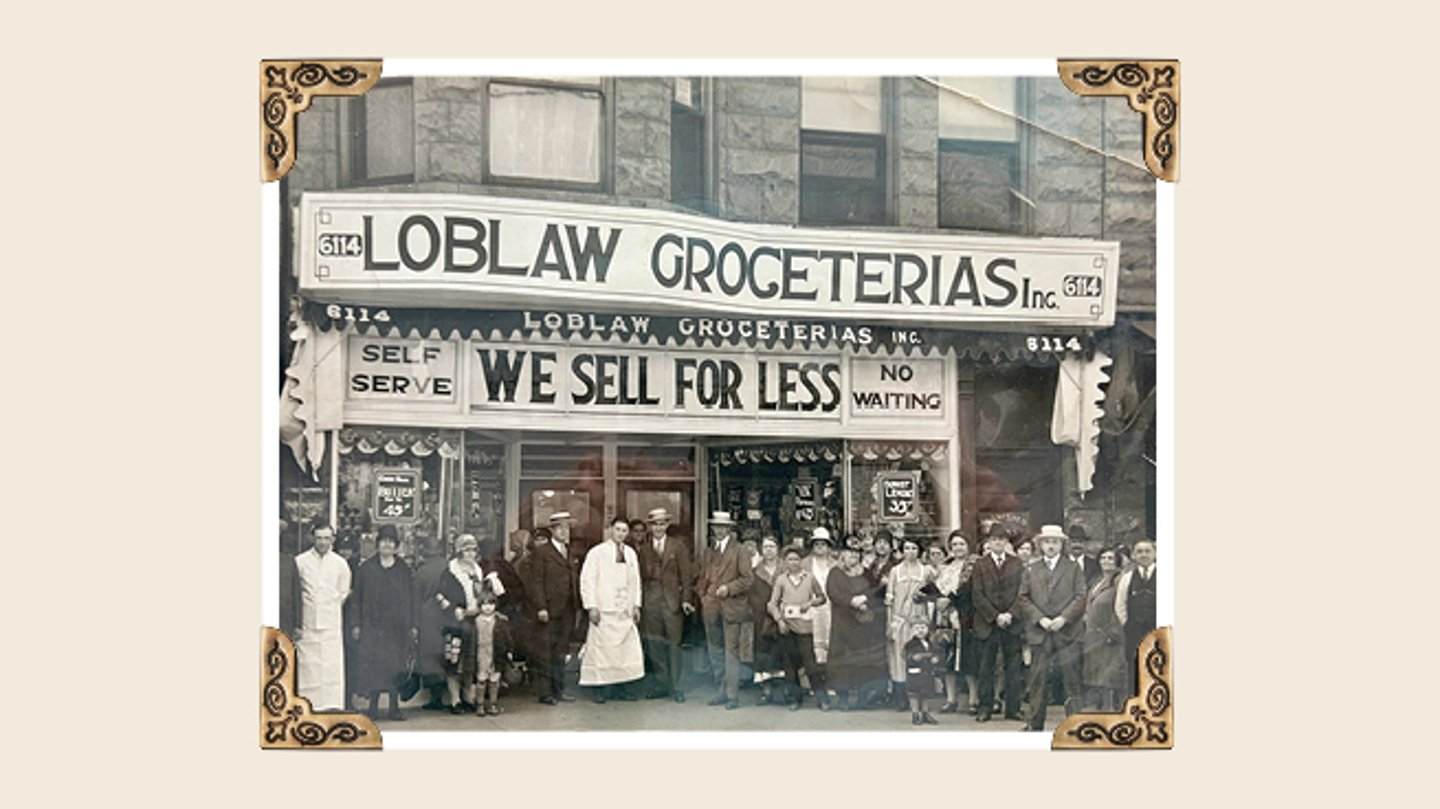
1919
Loblaw Groceterias debuts in Toronto, marking a pivotal shift to self-service—a model that would come to define modern grocery shopping.
1930s
Supermarkets begin to emerge in urban centres. The model is characterized by self-service aisles and wider assortments. Chain operators gain ground during the decade at a time when the Great Depression heightens price sensitivity. Austerity means shopping baskets are mainly filled with staples such as canned goods, potatoes, tea, sugar and flour.
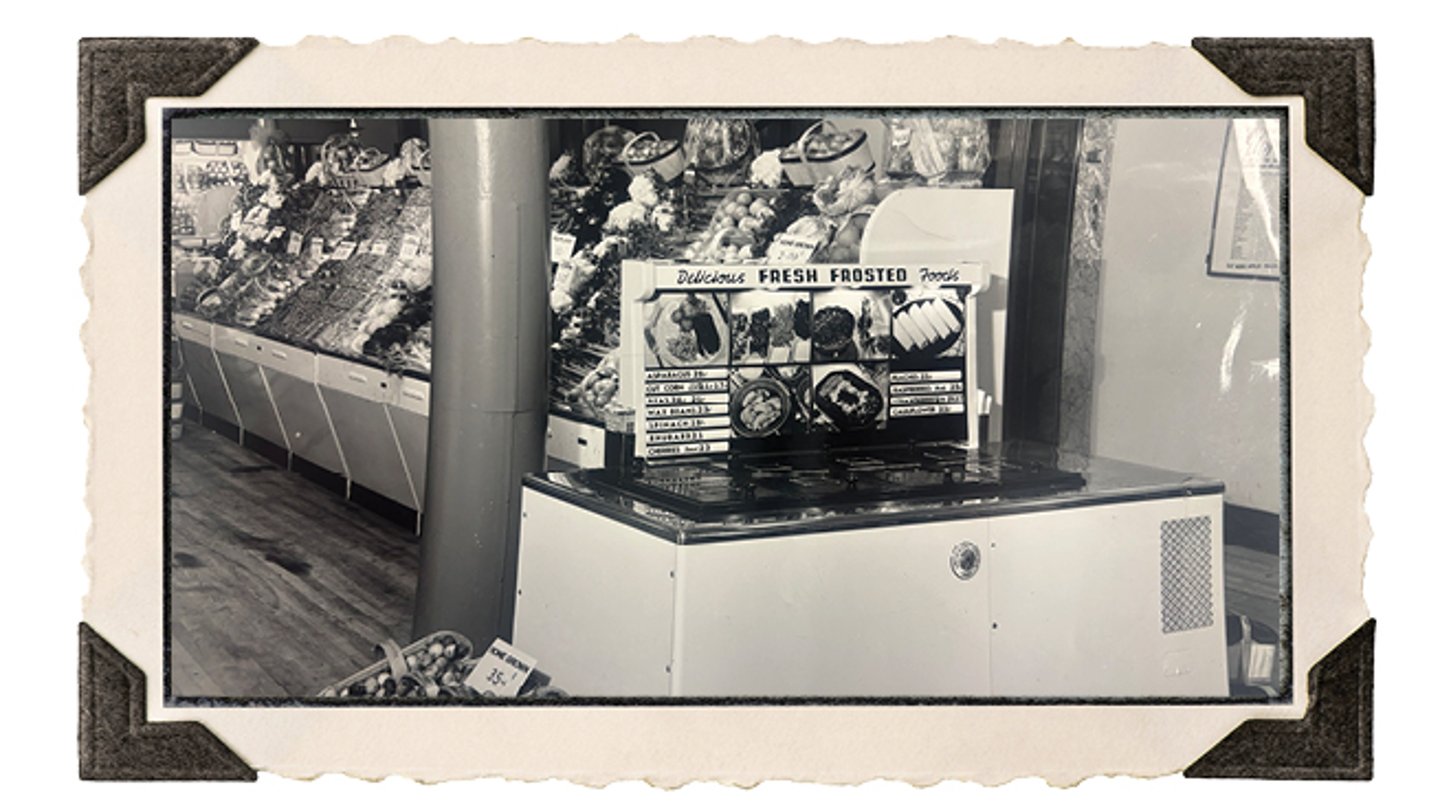
1950s
Though they first appeared in the 1930s, frozen foods become a mainstream grocery category helped by better technology, packaging and postwar consumer demand. Suburbanization fuels expansion of grocery chains around the country.
1970s
The Universal Product Code (UPC) is introduced to address rising labour costs and slow checkouts. The first barcode (on a package of Wrigley’s Juicy Fruit gum) is scanned at a supermarket in Ohio in 1974; Canadian retailers soon adopt the technology, transforming pricing accuracy, inventory control and data collection.
1985
Warehouse clubs with membership pricing arrive in Canada in the form of Costco, which made its Canadian debut in Burnaby, B.C. Rival Sam’s Club (owned by Walmart) has a short-lived run in Canada opening in 2003 and exiting the market in 2009.
1994
Walmart arrives, having acquired 122 Woolco stores from Woolworth Canada. The U.S. giant rapidly expands, eventually adding a full grocery offering to its locations, intensifying price competition across the sector.
2010s
By the 2010s, self-checkouts are a prevalent feature in larger grocery chains, reshaping front-end operations and the customer experience.
2014
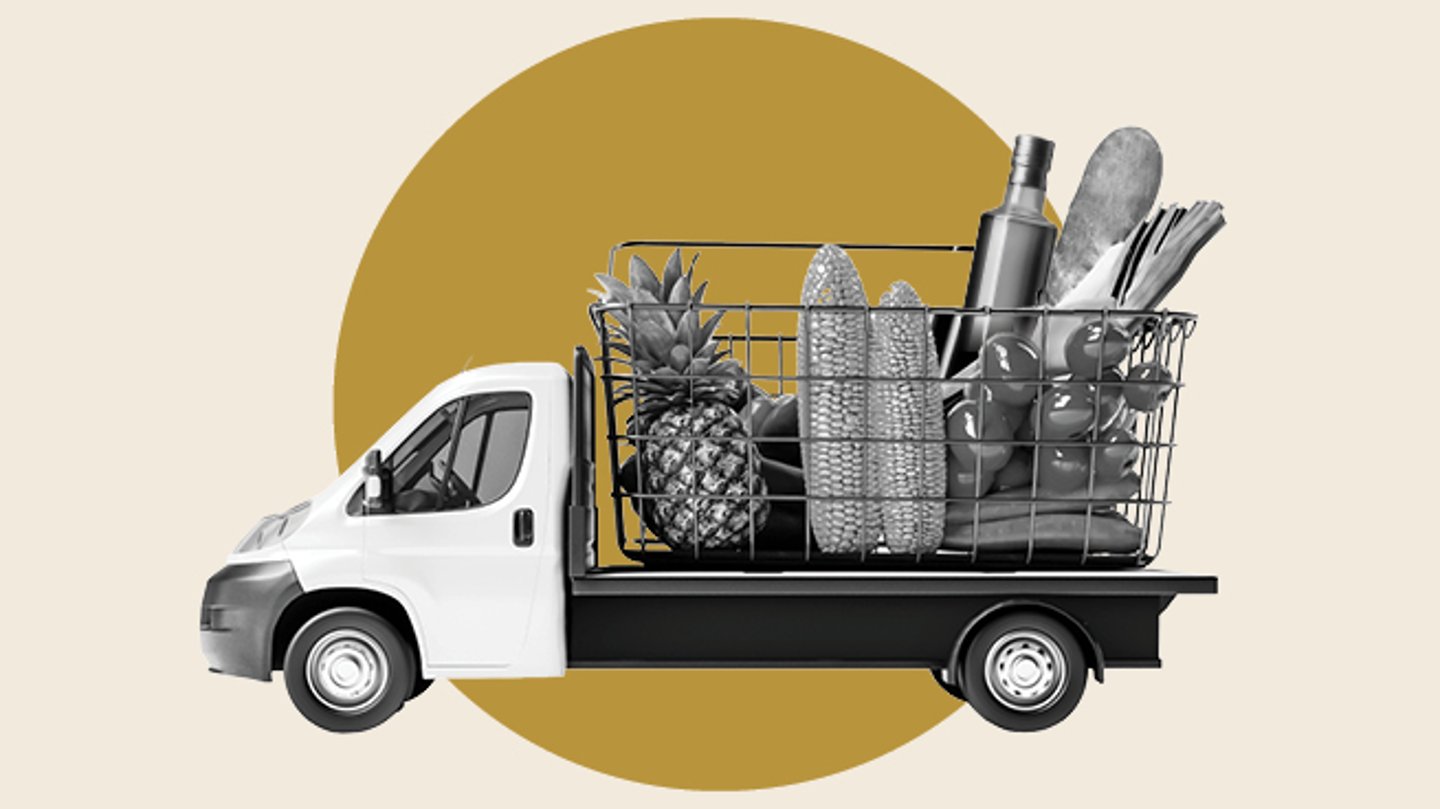
After establishing a foothold in Europe, click and collect arrives in Canada. Loblaw launches the service at a single store in Richmond Hill, Ont. Eventually, home delivery would prove to be the preferred model among online grocery shoppers.
2020
The COVID-19 pandemic shocks the grocery system. Supply chains and operations are tested and hoarding (toilet paper is the hottest item), empty shelves, social distancing and Plexiglas become the new normal. Online grocery adoption accelerates during the crisis.
2020s
As persistent inflation and a rising cost of living squeeze Canadians, discount grocery stores gain momentum. The period sees conventional retailers doubling down on their discount banners, such as No Frills, FreshCo and Food Basics, with a spate of new openings and store conversions.

2026
Years in the making, Canada’s Grocery Code of Conduct comes into effect.
The voluntary code aims to bring greater fairness and transparency
to retailer-supplier relations.
This article was first published in Canadian Grocer's February 2026 issue.