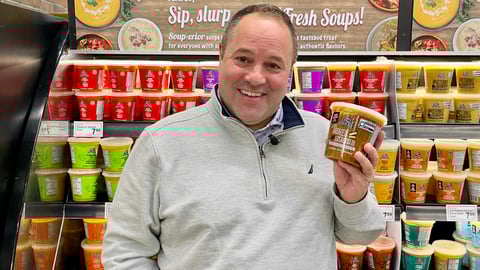
How The Village Grocer’s Brad Fletcher takes the lead
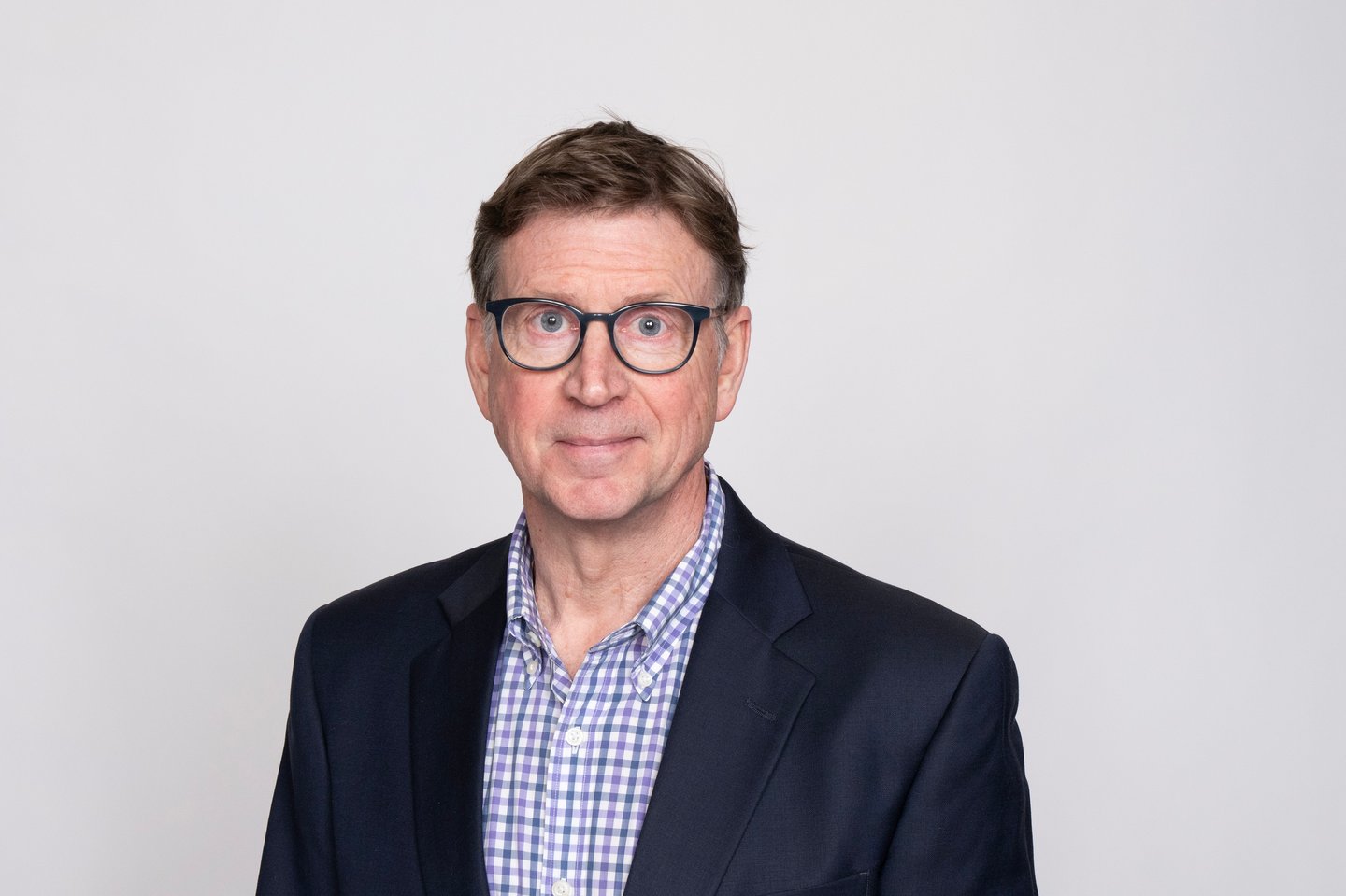
As the Markham grocer marks 40 years, Brad Fletcher shares his recipe for running day-to-day operations, delivering great customer service and staying creatively inspired.
On Sundays, Brad Fletcher rises early and drives into downtown Toronto to pick up freshly baked goods, loading The Village Grocer’s truck before heading back to Markham, Ont., where he oversees the day‑to‑day operations of the family‑owned independent grocery store.
Calling it a “store” hardly does it justice. Founded in 1986 by Evan and Cathy MacDonald, The Village Grocer has grown alongside the Markham–Unionville area, relocating three times over the years but always remaining a beloved neighbourhood fixture.
What began as a small butcher shop has evolved into a trusted community hub known for high‑quality prepared meals, top cuts of meat and house-made ice cream from its in‑house Village Creamery. The store is also popular for its premium frozen entrees—some of which is now shipped to other independent retailers as far as Ottawa. The grocer’s real estate also includes a food production facility in Scarborough, Ont., helping supply some of its products.
On this particular Sunday, Fletcher gave Canadian Grocer a tour of The Village Grocer, including the basement—where a lot of the magic happens. That includes a bakery production kitchen, where bakers were putting finishing touches on the Mixed Berry Jelly Rolls, which at Christmas sold 1,150 units in one day. “It’s our No. 1 selling product,” says Fletcher.
The lower level also houses fully equipped prep kitchens for the store’s in‑house packaged meals, including entrées, soups and appetizers; a meat prep area; and The Village Creamery. It has developed over 60 flavours, including inventive options like Toasted Marshmallow, Key Lime Pie, Cinnamon Bun and Durian, with 40 to 45 available at any given time in coolers at the back of the store.
Fletcher has served as president of The Village Grocer since late 2017. Prior to Evan MacDonald asking him to run the business, Fletcher spent more than 30 years in the alcoholic beverage industry with Allied Domecq, with a final stint of 16 years including as managing director, Canada for Brown-Forman.
During our visit, Fletcher sat down for a Q&A on leadership, sharing his insights into running a hands‑on, community‑focused business.
A big part of your job is leading frontline staff. How do you go about it?
I’ve always believed people are the greatest asset in any business, but I’ve had to adapt my leadership style over time. Early in my career, I led from a corporate perspective. Retail grocery is different—you’re leading people who work directly with the public every day. Yes, we have great food and products, but it all starts with people.
When I started here, I spent about six weeks working in every department, rotating through the store. It was crucial to experience firsthand what it’s like to serve customers in real time. You can’t lead effectively unless you understand what your team deals with every day. There’s nothing like getting in the trenches.
What has founder Evan MacDonald imparted to you about customer service?
One story he shared really stuck with me. A woman called the store and said, “I purchased some veal and I don’t feel it had the quality I expected. I don’t understand veal very well and want to know more about it.” Evan explained the different types of veal and why what we carry is the highest quality available (Provimi). Then he told the customer, “Just come back and I’ll give you another piece.”
She paused and said, “Well, I didn’t actually buy the veal from you—I bought it from one of your competitors.” Without missing a beat, Evan replied, “Bring it in anyway. I’ll exchange it for you.”
When he told me that story, I just said, “Wow.” And you know what? That woman still shops here today. That kind of service sets the tone for how we think about customers. It’s not about a single transaction, it’s about trust. People remember that.
Is there a guiding principle or motto that shapes the experience you want customers to have at The Village Grocer?
One adage I’ve always liked is about being a swan. Customers should see the beauty and poise above the water, not the two webbed feet paddling a hundred miles an hour underneath. No matter what’s happening behind the scenes, it’s important that we carry ourselves to customers with calm, professionalism and respect. And then, there’s the products–only the best assortment and quality will do.
READ: Food trends for 2026 get real
How important are the made-on-site offerings to the store’s success?
It’s huge. Evan has an incredible instinct for what people want, and over time he’s created a culture of innovation—almost like a lab—where ideas are constantly being tested. Our proprietary products—frozen entrées, ice cream, jams, granola, chocolate bark and more —have been tremendously successful. They allow us to offer something unique and deepen our relationship with customers. They also let me focus on day-to-day leadership while supporting a vision that keeps the business evolving. Watching the store grow alongside the community is incredibly rewarding.
Sustainability often comes with extra costs. How does The Village Grocer manage practices around sustainability?
It’s true, it is more expensive. But it’s not just a fiscal decision. Doing the right thing for the environment brings a kind of qualitative benefit. Customers recognize it and feel good about supporting practices that matter.
READ: Sizing up climate change
For example, our freshly squeezed orange juice used to come in plastic, but we switched to glass bottles. That change comes with higher costs, more weight for transport, additional labour for washing and sterilizing, but it’s the right thing to do. We embrace similar choices elsewhere, too. Take our granola—it comes in jars instead of boxes or plastic bags. It’s not the easiest or cheapest option, but it aligns with our values and gives customers confidence that we care. There’s always room to improve, but making these environmentally conscious choices is worth it, even if it’s more laborious.
Recruitment and talent are obviously critical. How do you approach finding the right people, especially for specialized roles like butchers?
It’s a challenge, particularly with skilled trades like butchery. The younger generation is heavily drawn to technology—my own son works in marketing and social media—so fewer people are entering hands-on trades.
Traditionally, butchers worked in small, independent stores, serving customers directly. Today, many are based in warehouses, focused on prep and shipping rather than interaction. Finding skilled butchers who enjoy working with the public is becoming increasingly rare.
READ: Industry execs share their hiring and retention strategies
I tell young people interested in food and culinary careers that trades like butchery may not seem glamorous, but skilled butchers will be in enormous demand. In 10 to 15 years, they’ll be worth their weight in gold. The skills are rare, the work is meaningful and the opportunities are only going to grow.
What do you do outside of work that makes you a better leader at work?
Staying active and disciplined outside of work helps me bring energy and focus into the store. When I first started here, I gained about 14 pounds—I love food—and that was a wake-up call to pay closer attention to my health.
I’ve always been a runner, and I’ve played hockey my whole life. Even now, with two new hips, I still play hockey three times a week, cycle regularly and track my diet carefully. Exercise isn’t just about fitness—it teaches discipline, resilience, and teamwork, all of which translate directly into leadership. It also gives me space to think and reset away from the day-to-day pressures of the business.
I also genuinely enjoy being here. Even on my days off, I’ll stop into the store, talk with customers, chat with staff and do my own shopping. Experiencing the store as a customer keeps me connected to both the team and the community. When your work and personal life align like that, it doesn’t really feel like work.
You mentioned creativity. How does that show up for you?
I’ve always loved photography, especially food photography. It started as a personal hobby, experimenting with light, colour and composition, and eventually became a creative outlet. I’ve entered competitions and played around with different concepts. One of my favourite shots was red peppers arranged against a transparent background to resemble a school of fish.
Some of that creativity has made its way into the business. A few of my photos have been used on product labels. Photography helps me see things differently—presentation, patterns, visual appeal. It’s another way to stay engaged and think about the business with fresh eyes.
Canadian Grocer's How I Take The Lead series speaks to people from across the industry about how they take the lead on a specific project, initiative or aspect of their job. You’ll hear from grocery leaders about their passions, how they tackle challenges, what they’ve learned and what keeps them motivated. Have a pitch? Send it to our digital editor, Kaitlin Secord.