Inflation jumps to 3.2% in May thanks to higher gas prices: StatCan

A third straight month of rising gas prices from the war in Iran pushed the annual rate of inflation above 3% for the first time since 2023, Statistics Canada said Monday (June 22).
The annual rate of inflation jumped to 3.2% in May, up from 2.8% in April and topping most economists’ expectations.
StatCan said gas prices rose 33.2% year-over-year last month as conflict in the Middle East continued to shutter the Strait of Hormuz to oil tankers. The agency said last month marks the most consumers have paid for gasoline since June 2022, when Russia’s invasion of Ukraine drove supply uncertainty.
READ: Dollarama has 'smooth' Q1, bracing for impacts of Iran war
Prices at the pumps have fallen in recent weeks as peace talks between the United States and Iran progressed.
BMO chief economist Doug Porter said in a note to clients Monday that June is tracking for a 10% decline in gas prices, "which should clip the headline result next month."
Higher costs for jet fuel—also driven by the war but not captured in StatCan’s April inflation data—showed up in May. Air transportation costs were up 7.4% annually last month after decreasing slightly in April.
Inflation also accelerated at the grocery store, rising half a percentage point to 4.3% annually. StatCan said grocery inflation has now outpaced the headline rate for 16 straight months.
The agency pointed to rising prices for fresh fruit and vegetables as driving the increase. StatCan said fresh vegetables rose 5.5% in May—the largest monthly May increase since 2008—due to reduced supply and higher fuel costs.
Tomato prices rose a whopping 45.2% annually in May, which StatCan attributed to tough growing conditions in Mexico. U.S. tariffs also meant Mexican growers planted less acreage, StatCan said, contributing to supply constraints.
READ: Loblaw shares update on produce, oil and fertilizer prices in new report
Porter said May's headline inflation result "stings somewhat" as stubborn food inflation proves "a significant thorn." But if recent declines in oil prices are sustained, he said that should deliver some relief for consumers in the months ahead.
Prices for computer equipment, software and supplies, meanwhile, rose 3.9% in May. Demand from artificial intelligence data centres has put a supply crunch on key computer inputs, StatCan said.
Offsetting the price hikes in May were ongoing declines in shelter inflation, which edged lower to 1.7% year-over-year last month. Prices were also growing at a slower pace for passenger vehicles, tools and other household equipment.
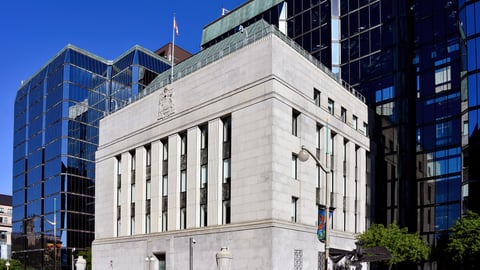
The May inflation report will be the Bank of Canada’s last look at price data before its next interest rate decision on July 15.
Bradley Saunders, North America economist at Capital Economics, said in a note that he expects the rising fuel and food prices that were driving inflation higher last month will be temporary.
There was little change in the Bank of Canada's preferred measures of core inflation in May, which economists are watching closely to see if the energy shock spreads much beyond the gas pumps.
"With the worst of the oil price surge now seemingly behind us, the (Bank of Canada) will be hoping that sizeable second-round effects have been averted," Saunders said.