Manitoba budget to reduce grocery costs and offer other direct savings
Manitoba’s Finance Minister, Adrien Sala, introduced the upcoming year’s budget on March 24. The financial plan is said to focus on creating good jobs, lowering the cost of living, and finding new ways to improve the healthcare system.
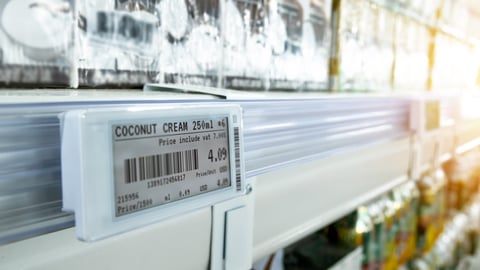
One key strategy, with the potential to affect every Manitoban, is a promise to eliminate the provincial sales tax on all food items. This measure will come into effect on July 1.
No PST on Luxury Food Items
This new tax break is aimed at food items once categorized by the provincial government as luxury items. These include candy, pop, chips, baked goods and all preprepared foods, such as rotisserie chickens, preassembled salads, prepared sandwiches and deli meals.
Basic or essential groceries, by contract, such as meat, produce, eggs, and milk, have already been exempt from PST for quite some time.
Non-food items, such as toilet paper and toothpaste, will continue to have PST applied.
Where you shop will matter. Most urban convenience and corner stores will be required to charge PST since the tax exemption applies primarily to larger grocery stores.
This move is expected to cost the province $32 million annually.
At the same time, the government is promising to continue digging deeper into the cause of grocery inflation.
READ: Manitoba orders grocery pricing study to tackle rising costs
“We’re going after the big grocery chains with everything we’ve got,” Sala said. “We’re cracking down on the property controls that grocery companies use to freeze out competition so they can charge you more.”
Healthcare Initiatives
This year is expected to bring more healthcare improvements. In the last two years, Sala says that his government has been responsible for hiring 4,054 new healthcare staff, adding 384 fully staffed hospital beds, opening 145 new beds in personal care homes, and increasing doctor numbers by 317. The majority of those doctors are practicing in rural and northern Manitoba.
This move, Sala says, has taken Manitoba from the worst spot to the best spot in the country when it comes to accessing a family doctor.
Currently, two new emergency rooms are being built, at the Victoria and Eriksdale Hospitals. At the same time, the province is expanding and building personal care homes with a new one coming to south Winnipeg.
“The [Conservatives] built none in seven years,” Sala says. “We’ll build one for every year we’re in government and we’ll keep that commitment going.”
Also new in this year’s budget is the promise to improve St. Boniface Hospital’s cardiac unit to the tune of $22 million. The funding will establish a centralized care unit, add 18 beds, and have a cardiologist ready to assess patients complaining of chest pain without delay.
Improvements are also coming to women’s health. South Winnipeg will soon be home to a new menopause clinic with funding directed toward women’s heart health and ovarian cancer research.
“We will always defend a woman’s right to choose and protect safe access to abortion,” Sala adds. “This is the Manitoba I’m proud to raise my daughters in.”
Childcare, Affordability Credits, and Free Public Transit
“When it comes to families with the lowest incomes, we’re doing what no government has ever done before,” said Sala. “We’re making childcare free for parents who need the most help.”
At the same time, he adds, the NDP plan to open 21 new childcare locations across the province this year.
City-based youth and children will also benefit from the elimination of public transit costs.
Some homeowners and renters are about to see increases to their affordability tax credits. Municipalities will see funding increases, too, in the hopes of assisting communities to develop local public safety measures.
Finally, for the third year in a row, farmers and producers will benefit from a freeze on crown land leases.
According to Sala, Manitoba will have the lowest deficit-to-GDP ratio anywhere in Canada, even with new spending planned for 2026.
It’s also a time, he says, when Manitoba’s economic future is looking bright.
“Canada is looking to the port of Churchill as an answer to the questions we face in this new world order. It’s an answer that’s been here all along, a trade route known to the [Indigenous peoples] for centuries. We are, after all, a maritime province with the port of Churchill as our gateway to the arctic and the rest of the world.”