
Small bites, big appeal: What's driving snack trends in Canada?
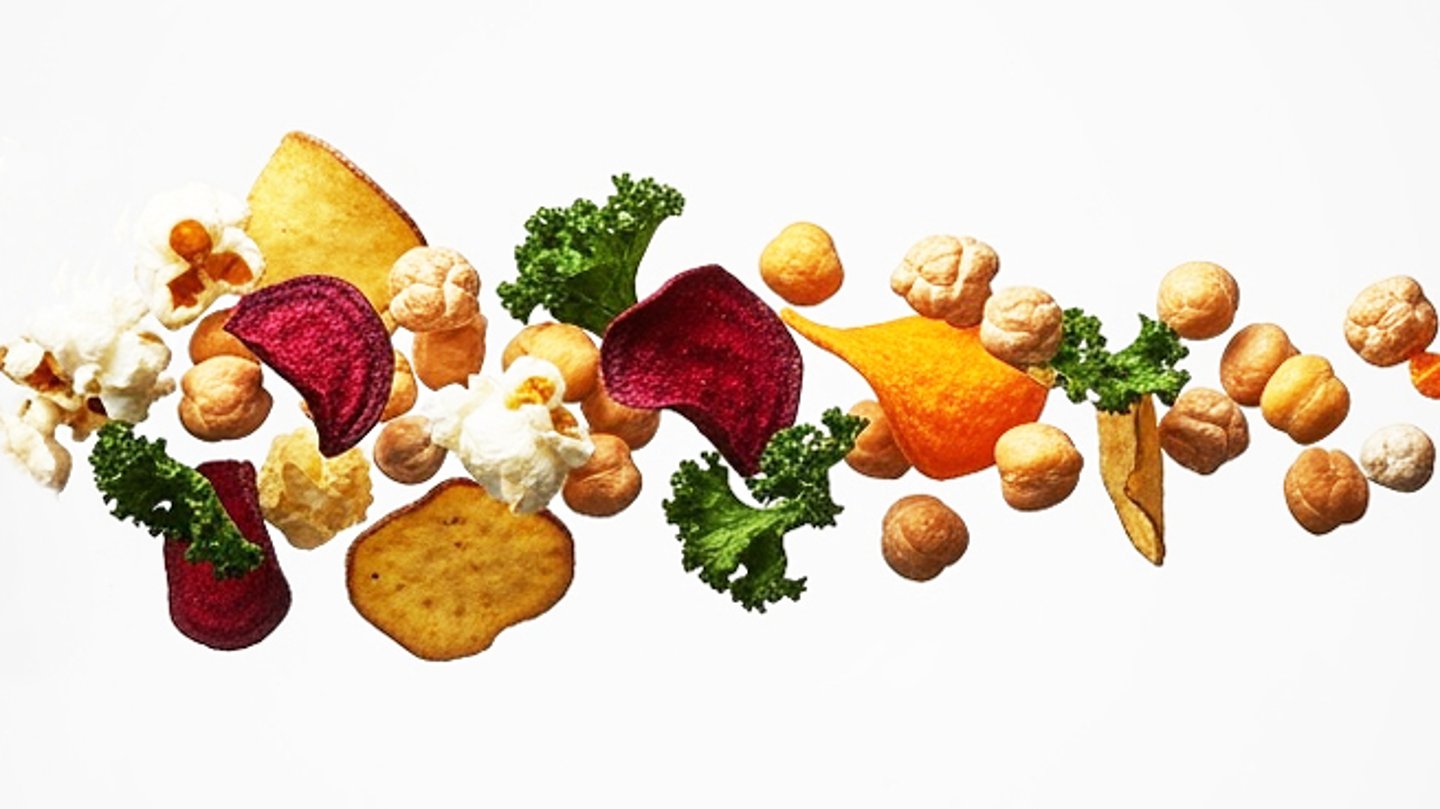
Snacking is one of Canada’s national pastimes, with almost all of us enjoying a nosh between meals. Research platform Statista reports the snack food market in Canada will generate $12.7 billion in revenue in 2025—and it’s expected to grow by nearly 6% annually through 2030.
For most Canadians, snacking is more than a guilty pleasure. Joel Gregoire, associate director, food and drink for Mintel, refers to his company’s 2024 consumer survey on snacking behaviour, which found more than 60% of respondents reported snacking every day, 10% snacked three or four times daily, and only 4% said they snacked less than once a week.
“There are very few people who don’t snack every day,” says Gregoire, who adds that generation Z is the most snack-happy demographic. “People who snack two or three times a day or more also tend to be remote workers, which makes sense—if you have access to your kitchen, it’s easier to go get a snack.”
As for what Canadian snackers reach for, consumers want more than just satiation. From health to ethical considerations to the sensation that accompanies each bite, here are the key trends driving the snack category:
Healthy snacking
Consumers nowadays know more about how diet impacts their health, and they are applying that knowledge to their snack choices.
“We’re definitely seeing trends towards healthier options,” says Boyd Waddell, grocery category manager for Calgary Co-op. “People are looking for snacks with healthy ingredients, like high protein and fibre, and low sodium and sugar options.” Waddell says young adults are leading the charge in demanding healthy ingredients—and inspiring food manufacturers to respond.
That’s where companies such as Chiwis come in. Founded by Sarah Goodman, the B.C.-based company produces chips made from dried fruits such as kiwis, apples and pineapples. The company launched two SKUs at Whole Foods Market in British Columbia in 2021 and has since added six more products to its portfolio and established a solid footprint in the western region of North America.
Goodman says the rapid growth of her company demonstrates how once-niche healthy eating trends have gone mainstream. “When I started, I thought this was going to be a health-oriented snack that would only do well in a Whole Foods or a place like that.”
Instead, it turns out that a much broader audience is looking for what Chiwis offers. The same goes for manufacturers such as Purplesful Snacking, which produces popcorn made from purple corn that, according to co-founders Matthew and Jasmin von Teichman, features high fibre, antioxidants and amino acids. And Peacasa, a London, Ont.-based maker of chickpea-based chips containing five to eight grams of plant protein per serving.
Oh Canada!
Many consumers are snacking through an ethical lens, prioritizing local producers.
“The big factor right now is a strong focus on Made in Canada products,” says Calgary Co-op’s Waddell.
That’s great news for companies such as Three Farmers Foods, which produces bean, chickpea and lentil-based snacks and was co-founded in 2011 by Elysia Vandenhurk alongside Saskatoon-area farmers and family members. “Our whole vision was to add value direct from the Prairies of Canada and take it out to the Canadian consumer with nutritious and tasty snacks,” says Vandenhurk, who also serves as chief innovation officer.
READ: Four things to know about lentils
Another example is Made With Local. This Nova Scotia-based snack food company sources ingredients from local Canadian farmers and food producers, including organic oats, honey and blueberries, for its soft-baked bars and cookies. Made With Local products are also high in fibre and protein.
Crunch is king
For Canadians, the ideal snack is something you can hear and feel. Which is to say, crunchy snacks are ascendant. Whole Foods even identified crunch as one of its top 10 food trends to watch in 2025.
“In terms of texture, crunchy dominates salty snacks and items like snack bars,” says Mintel’s Gregoire.
Three Farmers is more than happy to provide the sound and fury. According to Vandenhurk, the company’s own research confirms the importance of the crunch factor in its products, which come in flavours such as dill pickle, barbecue and sea salt.
“When we asked what [consumers] were looking for in a snack, the top five things that always came to light were: homegrown, Canadian, high-protein, high-fibre and crunch,” says Vandenhurk. “Crunch was a very specific thing that always ranked in the top five, and that is really playing in our favour.”
This article was first published in Canadian Grocer's August 2025 issue.