
Surveillance pricing could lead to more expensive groceries for some, MPs hear
People with religious or health-based food restrictions could end up paying more for groceries with the use of algorithmic pricing, an expert told MPs at a parliamentary committee Monday.
Sarah-Louise Ruder, an adjunct professor at the University of the Fraser Valley’s food and agriculture institute, said that phenomenon has already been observed in the United States.
She was responding to a question from Liberal MP Fares Al Soud, who said some customers have fewer alternatives.
"I'm Muslim, I'm Arab, there are certain things about my shopping habits that can be inferred. Pork is not on my grocery list. I'm not a very effective person to advertise alcohol to ... and this is also a reality for many other communities. Hindu Canadians, Jewish Canadians, those with celiac."
READ: Your browsing history could soon set your grocery bill—and Canada isn’t ready for it
He asked whether AI-driven pricing systems create a risk these consumers could "end up paying more, precisely because their purchasing patterns reveal they have fewer alternatives?"
Ruder responded that is "absolutely" the case.
"If something is essential to you, or if it is a frequent buy, that can change the inferred willingness to pay for a product in a way that could be a negative impact for different cultural practices and households," she said.
The House of Commons ethics committee is studying the use of artificial intelligence in algorithmic pricing, which is also referred to as surveillance pricing.
Ruder said in her opening remarks that while Canadians may be more familiar with algorithmic pricing in the context of travel or ride-sharing prices, groceries are an increasingly important area.
"There is evidence in the United States of surveillance pricing for online and physical grocery stores," she said.
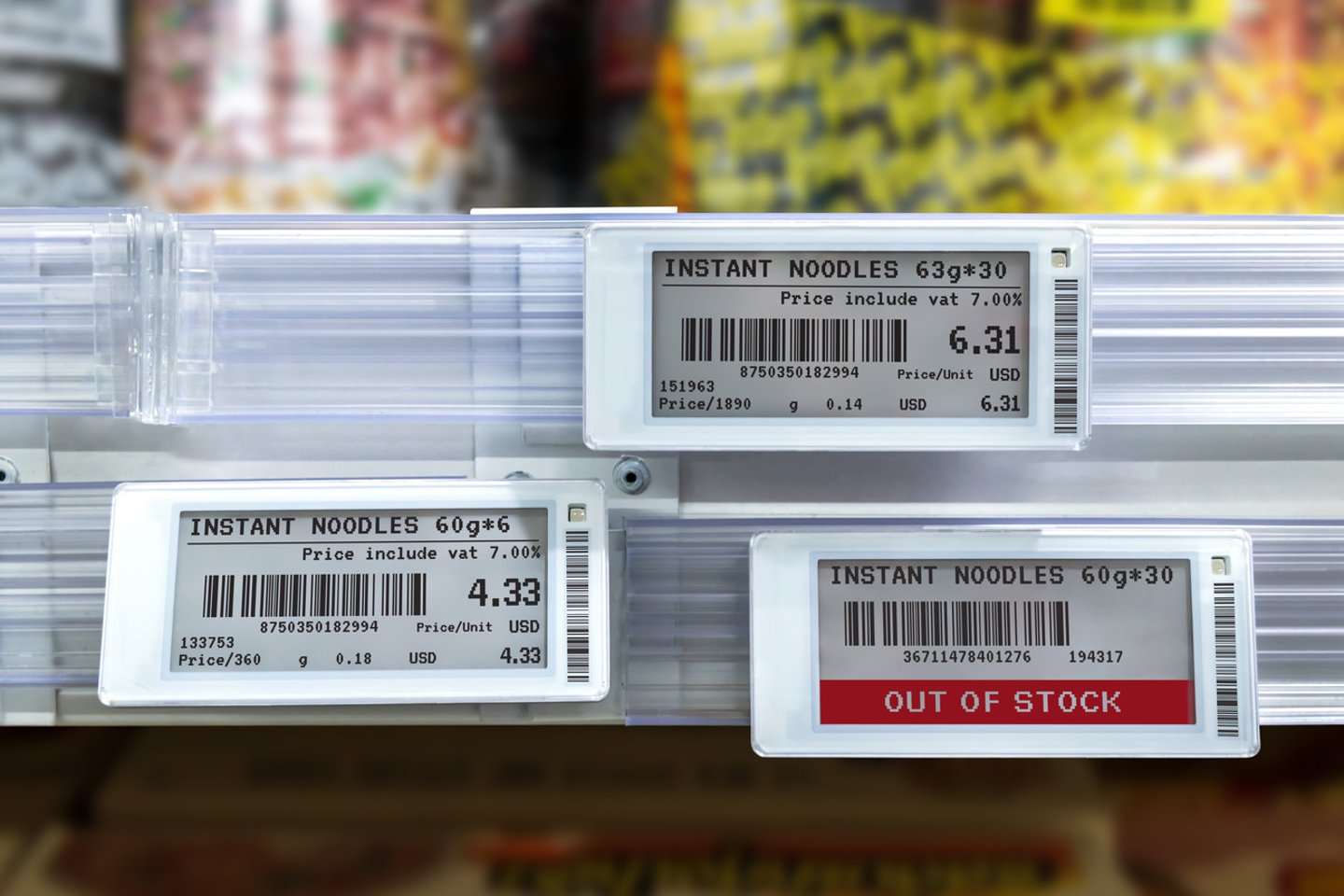
Ruder said Canadian grocers have said they will not use in-store electronic shelf labels for surveillance or personalized pricing.
"To date, that would be challenging. It would require other sources of data collection or even video feeds throughout the aisles," she said.
But she said electronic shelf labels would make it possible to change prices algorithmically based on other factors—such as increasing the price of coffee in the morning or making popsicles more expensive on a hot day.
Renjie Butalid, co-founder of the Montreal AI Ethics Institute, said there needs to be a clear line between pricing based on market conditions and surveillance pricing that uses personal information to determine what to charge individual people.
He gave the example of a parent urgently buying baby formula who may have few alternatives, and a surveillance pricing system using that to charge the parent more.
Butalid recommended "a general prohibition on surveillance pricing where businesses use personal information, behavioral data, or inferences about individual consumers to determine individualized prices."
In an earlier meeting, the committee heard from Keldon Bester, the executive director of the Canadian Anti-Monopoly Project.
He noted research from the United States found Instacart was charging some customers as much as 23% more than others.
The study by Consumer Reports and Groundwork Collaborative looked at algorithmic pricing experiments by the company. A spokesperson for Instacart says the experiments ended a year ago and did not involve personalized or surveillance pricing. The spokesperson said the company has committed to not using surveillance pricing.
Butalid said part of the problem is it's often not clear when Canadians are being subjected to algorithmic pricing.
"But as artificial intelligence capabilities make these pricing strategies cheaper and easier to apply, we should expect algorithmic pricing to become more widespread," he said.
Bester said the Competition Bureau has found at least 60 companies in Canada offer algorithmic pricing services to clients.
Emily Osborne, policy research associate at the Canadian Shield Institute for Public Policy, told the committee in early November that surveillance pricing is a black box for customers.
"A consumer does not know when they are seeing a different price from others, nor why. And when prices are so volatile, the ability to comparison shop and to budget becomes limited," she said.
She said companies use data such as IP address, what type of device a customer is using, postal code, or "any information that you've voluntarily handed over, willingly or not, while you've been shopping or transacting with a firm."
They can also use data about behaviour, Osborne said. "How your mouse is moving on a web page might give them indications about how desperate you are or how frantically you're shopping," she said.
Companies may able be able also purchase data from data brokers, Osborne added.
Bester said over the past 20 years, "we've created an environment ... where we are awash and we have a very detailed profile of ourselves available to companies."
He said that "on its own, may be cause for concern, but we transcend into another area when we then say this is now going to become the foundation for pricing decisions that are going to affect our economic well-being."
The Liberal government says its proposed privacy legislation could be used to tackle the issue of surveillance pricing, but the bill doesn’t actually mention the term.
This report by The Canadian Press was first published Nov. 16.

