
When algorithms set the grocery bill, fairness gets lost

Canadians have grown accustomed to a lot when buying food. Shrinkflation has reduced package sizes; skimpflation has diluted quality. Loyalty programs increasingly resemble surveillance rather than savings. Prices often feel disconnected from what is happening at the farmgate. Yet ,2026 may mark a more consequential shift: consumers realizing that artificial intelligence itself may be pushing grocery bills higher, not because food costs more to produce, but because the industry knows more about them, individually.
At the centre of this shift is dynamic pricing. The practice is not new. Airlines, hotels and ride-sharing platforms have used it for years, and consumers, however begrudgingly, accept the logic. Groceries are different. Food is not a discretionary purchase. It is a necessity, and the social contract around food pricing has long been grounded in predictability and fairness. That contract is now under pressure.
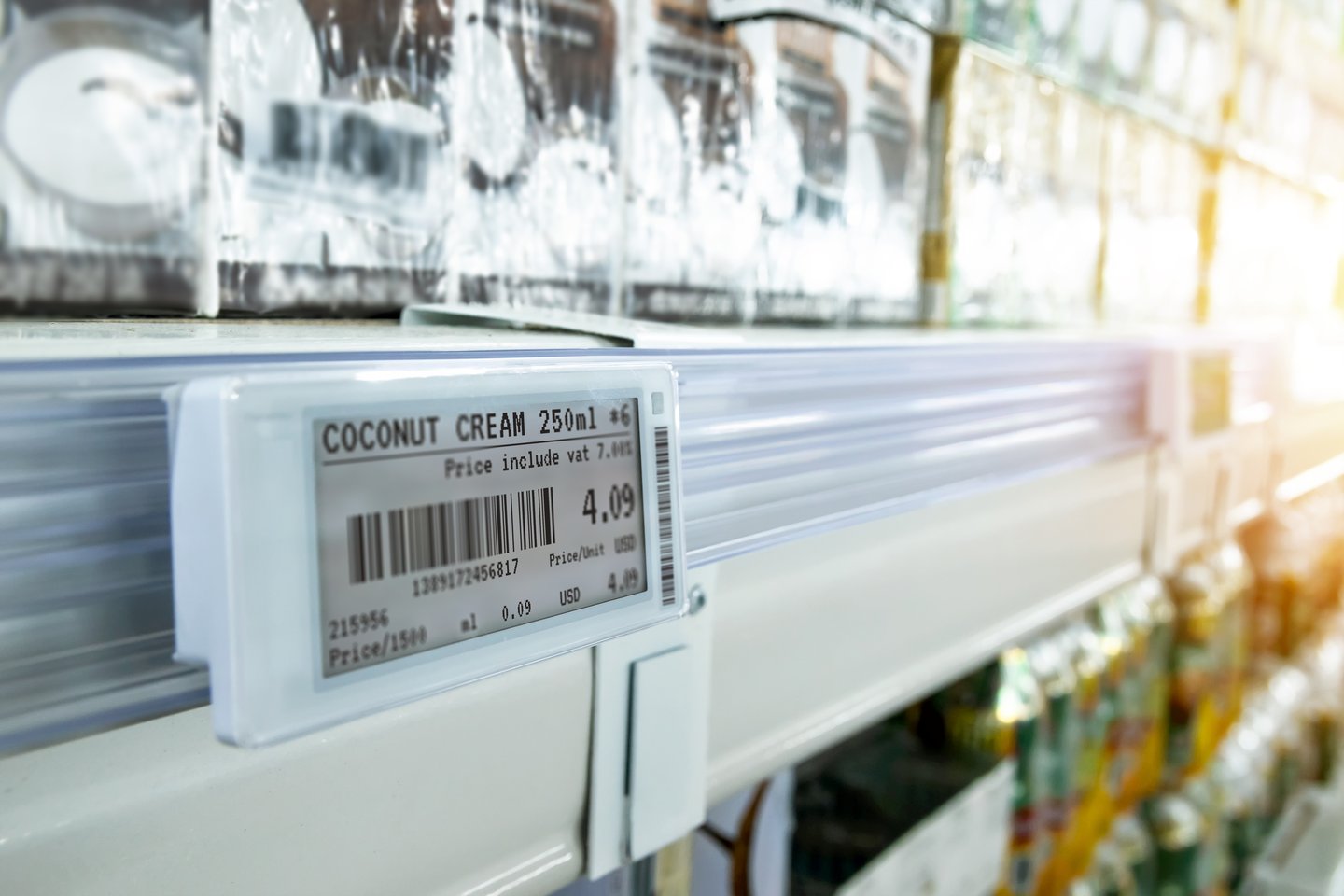
Crucially, this is no longer just an online issue. With the rapid adoption of digital shelf labels, dynamic pricing can now be deployed inside physical grocery stores. Prices can change in real time and potentially vary by location, timing or consumer profile. The line between online and in-store pricing is disappearing, bringing algorithmic price-setting directly into the aisles.
READ: How one Norwegian discount grocer remains competitive on price
Charging different consumers different prices for the same food, in the same store, at the same time, simply because an algorithm decides so crosses an ethical line. Evidence from the United States suggests this is already happening. A recent investigation by Consumer Reports, the Groundwork Collaborative and More Perfect Union, asked more than 400 shoppers in four cities to purchase identical grocery baskets online at the same time. Nearly three-quarters of items appeared at multiple prices, with some products showing as many as five different price points. On average, price differences reached 13% per item and about 7% across entire baskets.
At one Seattle grocery store, identical baskets ranged from roughly US$114 to $124, a spread of more than $9 on a single order. Extrapolated over a year, researchers estimate that such pricing variability could cost a family up to $1,200, annually. That is not insignificant for households already struggling with food affordability.
Once pricing becomes individualized—or appears arbitrary—trust erodes quickly. Consumers are no longer comparing stores; they are unknowingly being compared against each other. Whether online or in-store, the checkout ceases to be a level playing field.
READ: Grocery leaders share their picks for the hottest retail tech
Platforms argue these are limited tests to optimize pricing. But consumers never consented to be part of experiments involving essential goods. Algorithms are trained on data—purchase history, location, loyalty activity—and when pricing decisions are opaque, “randomness” begins to resemble profit maximization by design. Digital shelf labels simply make this easier to execute, faster and at scale.
Canada is already grappling with food affordability and declining trust in pricing. Governments are debating transparency and codes of conduct precisely because consumers feel squeezed. Introducing opaque, AI-driven price variability into this environment—especially in physical stores—would only worsen that distrust.
READ: AI adoption is growing—now’s the time to leverage its potential
This is not a rejection of technology. AI can reduce waste, improve forecasting and strengthen supply chains. But using it to quietly test how much more consumers will pay, without disclosure or consent, breaches a fundamental expectation of fairness.
If two people buy the same food, from the same store, at the same time, they should pay the same price. Full stop. If pricing experiments exist, consumers should be told. And if fairness cannot be guaranteed for essential goods, regulators should intervene—decisively.