
2025 Impact Award winners: Sustainability

Now in its fifth year, the Canadian Grocer Impact Awards celebrates Canadian grocery retail and CPG businesses that are going above and beyond to make the world a better place
We recognized 40 winners in 2025 for making a positive impact in the areas of sustainability, supporting employees, diversity, equity & inclusion and community. In addition, several recipients were honoured with the inaugural Impact Champion award for their exceptional impact across multiple areas.
See the full list of winners here.
Fifteen companies won in the category of sustainability. Here’s why:
Be Fresh Market
What started as a seasonal special at Vancouver’s Be Fresh Market quickly became a viral sensation—and a standout example of sustainability in action. Launched in March 2025, Be Fresh’s Banana Bread Matcha is a low-waste beverage that combines ceremonial-grade matcha with house-baked banana bread made from overripe bananas that would otherwise be discarded. “Overripe bananas are something we have on hand almost daily, so turning them into a yummy coffee bar drink felt like the perfect fit for our grocer/café concept,” says market manager Ashley Sugar.
The idea was the brainchild of a creative staff member, and the front-of-house barista team was heavily involved in taste testing to refine the recipe. A post about the Banana Bread Matcha quickly took off on TikTok and Instagram Reels, generating widespread buzz. “Suddenly, it wasn’t just our regulars coming in to try it. People from all over the city were showing up,” says Sugar. Since its debut, it has driven a 200% increase in café beverage sales and inspired a wave of upcycled product and sustainability ideas from Be Fresh team members. Now a permanent menu item, the drink has also become a case study in Be Fresh’s staff training program. “It’s a blueprint for sustainable innovation,” says Sugar.
Burnbrae Farms
Burnbrae Farms has long prioritized waste diversion by recycling materials such as paper, cardboard, metal and plastic, while seeking new ways to minimize landfill and divert waste. One of those ways is the recently launched soil enhancer, Terrabrae, made from repurposed eggshells from Burnbrae’s processing operations.
“Terrabrae breathes new life into what was once a byproduct, transforming it into a nutrient-rich solution for gardens, plants and lawns,” says Pam Kellogg, vice-president consumer marketing at Burnbrae. “While a tried-and-tested tool for seasoned gardeners, utilizing eggshells in the garden is a relatively new concept to many consumers. That’s why . . . we built an educational layer into our campaign to ensure our messaging was exciting and informative.”
Among other initiatives, Burnbrae launched a recycling program at its Winnipeg facility to divert used personal protective equipment (PPE) from landfill. PPE can be difficult to recycle due to mixed materials and contamination risks. Through this program, worn PPE is collected and sent for specialized recycling. Since 2024, the Burnbrae Winnipeg plant has recycled 1.3 megatons of PPE.
By the end of 2024, the company’s total waste diversion was 91%, with a goal of further reductions year over year.
DoorDash
DashMart is DoorDash’s convenient platform for delivering household essentials and grocery staples to busy consumers—but behind the scenes, it’s also reducing food waste and fighting food insecurity through a powerful initiative. Launched in 2021, the DashMart Food Recovery Program diverts quality perishables nearing their sell-by date to community organizations, keeping them out of landfill and redirecting them to those in need. “The DashMart Food Recovery Program is a natural extension of DoorDash’s mission to grow and empower local communities,” says Umair Khan, general manager of DashMart at DoorDash Canada. “We’re able to reduce waste while directly addressing food insecurity in the communities we serve.”
DashMart uses its sophisticated demand forecasting and real-time inventory systems to reduce excess in the first place; but when surplus food remains, associates at sites across the country step in. Twice a week, on average, they carefully sort and package items such as produce, meat and pantry staples for local non-profits such as Vancouver Food Runners, Edmonton Food Bank and Siloam Mission in Winnipeg. As a result, the program has already provided tens of thousands of pounds of food to individuals experiencing food insecurity. “It’s a practical, scalable way to turn our logistics and operational strengths into real social and environmental impact,” Khan says.

Eco Guardian
Ontario-based Eco Guardian is launching the first made-in-Canada manufacturing facility of its kind dedicated to creating sustainable paper cups, food containers and paper boxes.
Slated to open this fall, the Aurora, Ont. facility marks a major step forward in the transition away from single-use plastics and toward a cleaner, greener future. The facility will produce 100% compostable and recyclable paper products, made from FSC-certified paper that meet the highest environmental standards, while helping to reduce the carbon footprint of imported packaging.
“We’ll be focusing on bamboo paper, which is more sustainable and made from more renewable sources,” says Eco Guardian CEO Anil Abrol.
He notes that most alternatives to single-use plastics are being imported from abroad, creating supply chain risks and carbon emissions. By onshoring the business, the facility will increase speed to market, leading to efficiencies in logistics and supply chain savings and reducing the environmental impact.
The facility “will create 80 to 100 jobs when fully operational in 12 to 18 months,” Abrol adds. “As soon as this facility is successful, we will expand to other product lines,” building a new generation of packaging for grocers, restaurants and other retailers that is plastic-free and ethically made.
General Mills Canada
Knowing a healthy planet is critical to continuing to make food the world loves, General Mills is committed to regenerative agriculture. In 2019, the company launched the Northern Plains Pilot Project to support farmers in adopting practices that restore soil health and build climate resilience. Focused on the Canadian Prairies, the initiative offers one-on-one coaching, peer networks and ecological measurement tools tailored to local needs. Then in 2022, General Mills partnered with sustainable agriculture non-profit ALUS to pilot Growing Roots, a program that delivers funding, technical assistance and community-led support to help scale adoption.
In 2024, Growing Roots expanded to two communities each in Manitoba and Saskatchewan and added support for edge field practices, bringing regenerative techniques to about 26,000 acres and 150 producers, with more than 75% of participants new last year. “Through initiatives like the Northern Plains Program and the Growing Roots Partnership, we’re investing in the long-term resilience of the region’s agricultural communities and ecosystems,” says Steve Rosenzweig, PhD, principal scientist at General Mills. “They’ve demonstrated the power of farmer-to-farmer learning and the effectiveness of locally led programming in driving meaningful change.”
Georgia Main Food Group
The launch of Canada’s first-ever Borrow a Bag program is a win-win—for customers of Fresh St. Market and IGA in British Columbia and for the environment. Borrow a Bag allows customers to purchase a branded reusable bag for a $2.99 deposit and return it to get their money back when finished. The bag is then laundered and brought back to the store and into circulation.
Borrow a Bag is now offered at most Fresh St. Market and IGA stores, with a growing number of customers participating in the program. “We are focused on encouraging our customers to switch to these reusable bag options and have initiated an educational campaign on the environmental effects of single-use paper bags,” says Palle Knudsen, vice-president, retail operations, Georgia Main Food Group, parent company to Fresh St. and IGA stores in British Columbia.
The company has also partnered with FoodMesh to divert surplus food to benefit individuals and charities across British Columbia. Since 2020, the stores have steadily ramped up food recovery efforts, providing the equivalent of 4,862,725 meals made up of quality fresh produce, dairy, meat, seafood, bakery and deli items to those in need.
Lactalis Canada
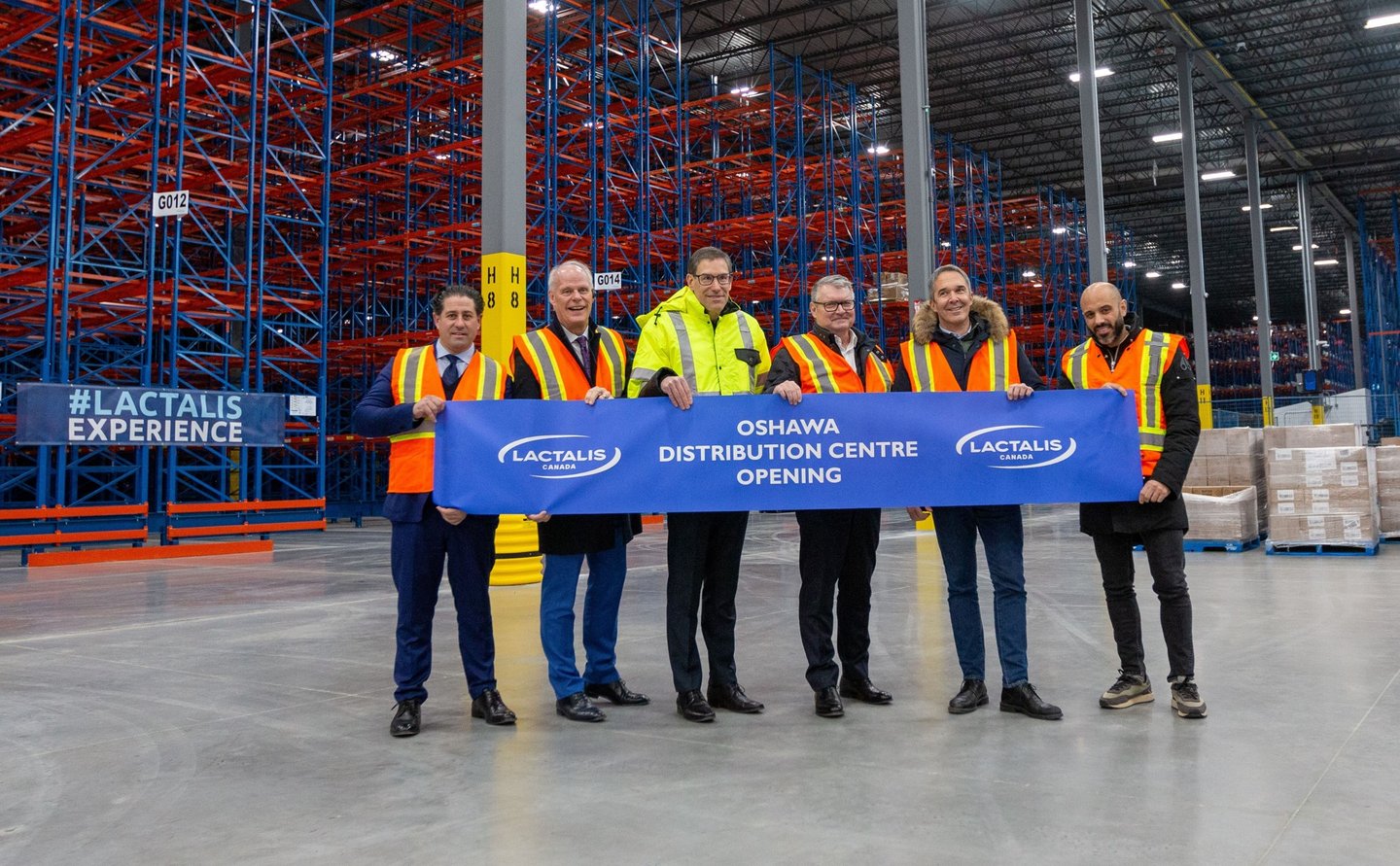
Lactalis Canada built its new distribution centre in Oshawa, Ont., the company’s largest in the world from a capacity standpoint, with sustainability in mind.
Opened in December 2024, the state-of-the-art, 379,000-sq.-ft. facility was designed to be zero-carbon ready, with the potential to achieve Zero Carbon Building certification.
The facility features energy-efficient lighting, high insulation values and heat reclamation from the refrigeration system. Sustainable design features such as a white roof reduce the heat island effect, contributing to lower cooling costs and energy consumption. There are also plans to install solar panels on the roof to provide renewable power.
The new distribution centre “is a significant example of the work we are doing as part of our environmental, social and governance agenda,” says Eric Seguin, senior vice-president supply chain at Lactalis Canada.
The modern, sustainable design is so far paying off with a 50% improvement in energy efficiency per square foot compared to Lactalis’ conventional facilities, Seguin says. “The addition of this facility in our network represents a key component in our growth story, reinforcing our long-term investment in Canada, its food sector and vital supply chains.”
Longo’s
In January 2024, Longo’s partnered with a waste management company and launched a pilot program at its Central Kitchen at its headquarters in Vaughan, Ont. to divert hard plastics and metals from landfills.
Twelve months later, more than 27,000 pounds of hard plastics and metals had been diverted from waste streams, and the program was made permanent.
“This achievement obviously reflects a significant reduction in waste volume and represents a meaningful step toward sustainable resource management,” says Marisa Borgia, sustainability specialist at Longo’s.
By keeping plastics and metal out of landfills, “we’ve helped reduce [the] environmental burden associated with long-term waste decomposition like methane emissions, soil contamination and groundwater pollution. It’s also raised awareness among our employees, partners and community members about the importance of responsible waste management, and has led the foundation for expanding our circular economy initiatives.”
There are now plans to roll out the program to all stores, and to potentially expand to glass and other materials that are currently not diverted.
The goal is to divert 90% of waste from landfills from the current 78.7%. “We’re trying to achieve that by the end of this year,” Borgia says.
Maple Leaf Foods
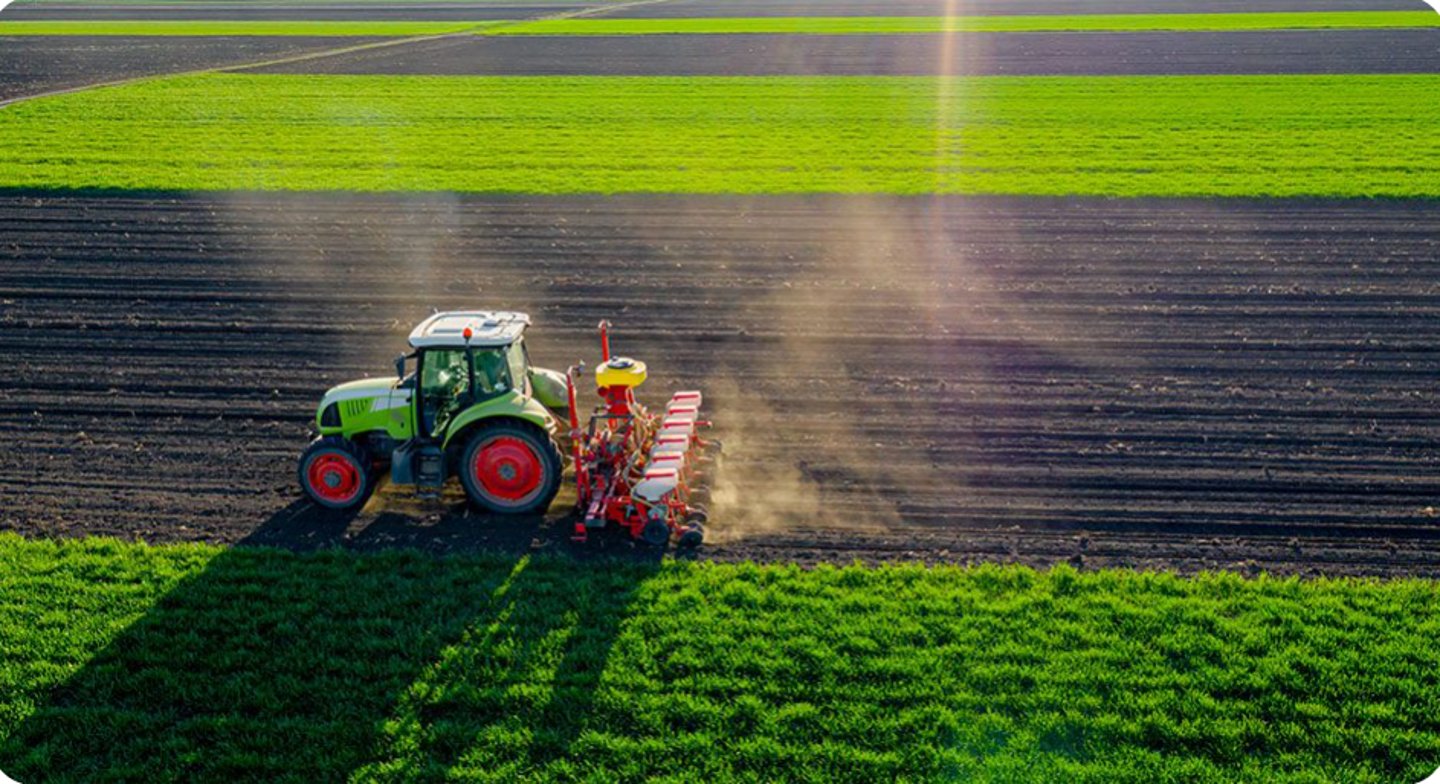
In 2021, Maple Leaf Foods began investing in regenerative agriculture, a farming approach that aims to restore and enhance the health of the soil, ecosystems and biodiversity. It started with 19,000 acres, which was scaled to more than 250,000 acres by the end of 2024. The program incentivizes and educates farmers on what practices are expected to have a positive impact on their land.
Maple Leaf Foods has continued to increase its investments in this space over the past four years, seeing regenerative agriculture as a powerful tool in the fight against climate change and integrating it into its broader sustainability strategy.
It also participates in a carbon program, which provides end-to-end support for growers, drives sustainability and boosts profitability. This helps meet the company’s intention of sourcing sustainable feed for animals by reducing the carbon footprint of the crops purchased.
“We believe our learnings and those of our project partners can be replicated and scaled to the benefit of farmers, our planet and more resilient and sustainable food systems that provide for us all,” explains Joe McMahan, vice-president, sustainability and shared value at Maple Leaf Foods.
Maple Leaf Foods
Maple Leaf Foods has created a formal packaging strategy that includes a commitment to reaching its goal of 100% sustainable packaging. “We believe that making our packaging sustainable is both the right thing to do and critical to advancing our purpose and vision,” says Scott Munro, director, packaging technology at Maple Leaf Foods.
“One of the most gratifying aspects of our journey to-date has been achieving our goal of 30% recycled content across all plastics packaging (by weight),” he says.
Working closely with its suppliers and packaging industry leaders, Maple Leaf Foods identified and tested a variety of new materials with reduced environmental impacts and better suitability to the recycling infrastructure. In the long run, this move will allow the diversion of plastic from landfills.
Meanwhile, it is the first Canadian protein company to partner with How2Recycle, a standardized labelling system that provides instructions for consumers on proper recycling.
Over the coming years, Maple Leaf Foods plans to continue to collaborate with the packaging industry to deliver more sustainable products that consume fewer resources, are made from recycled content and can be recycled. This includes working to design all its retail packaging to be recycle-ready in preparation for optimized municipal recycling centres.
Mondelēz Canada
For Mondelēz Canada, removing its gas oven and installing an electric oven (e-oven) at its East York, Ont. bakery marked an important step in expanding the sustainability of its operations. The result of this move will deliver a substantial reduction in CO2 emissions and greater energy efficiency.
But the transformation was no small feat. It involved more than 17,000 hours of work, with six months of pre-installation and more than four months of demolition and installation.
“We engaged over 100 contractors and turned challenges like part shortages and harsh winter storms into opportunities without any impact to our adjacent production lines,” says Pierina De Carolis, head of corporate affairs and community impact, Mondelēz Canada.
In 2024, the company invested more than $20 million to revolutionize its operations, leading to several firsts within the global organization, including the introduction of the e-oven, the first for the company in North America.
“We’re continuously investing in new manufacturing technologies and reducing our energy emissions through electrification, like the e-oven, and implementing more energy-efficient processes,” adds De Carolis.
Mondelēz Canada has also implemented innovations that target reductions in food waste, electricity consumption and water usage, while deepening its community impact with programs such as gardens at factories, tree-planting and local cleanup events.
Rabba Fine Foods
As a neighbourhood grocer operating in Toronto for more than 50 years, Rabba Fine Foods recognizes and embraces sustainability as a core responsibility. So, it set up a Sustainability in Action program, embedding sustainability into its operations, actively reducing food waste, investing in renewable energy and implementing partnerships that benefit both people and the planet.
“Sustainability in Action reflects our commitment to reducing waste, improving how we operate and making practical choices that support the well-being of the local communities we serve,” says Rima Rabba, the retailer’s head of marketing.
Rabba completed a significant solar energy project at the end of 2023. The installation of 2,500 solar panels at Rabba’s Mississauga distribution centres and administration offices now generates more than 1.5 million kWh of electricity annually. This initiative offsets approximately 992 metric tons of CO2 each year, the equivalent of removing more than 200 cars from the road.
“We’re continuing to build on this work by expanding waste-reduction efforts across our network, through partnerships with local organizations and by introducing innovative technologies to reduce energy use across our stores.” The retailer remains committed to integrating sustainable thinking into every level of its business, says Rabba.
Riverside Natural Foods
Known for its MadeGood snack brand, Riverside Natural Foods is committed to paying its “fair share of the social and environmental impacts caused by our contribution to the global plastic pollution crisis.”
And so far, the company has offset more than 2.1 million kilograms of plastic since 2021 through a partnership with rePurpose Global.
“RePurpose changed the way we think about packaging,” says Taylor Stanley, Riverside’s corporate impact strategy manager. “We were given the opportunity to take ownership for the materials we send into the world, while improving thousands of lives along the way. It doesn’t get much more win-win than that.”
The Toronto-based company became certified Plastic Neutral through rePurpose in July 2021. This means for every kilogram of plastic leaving its facilities, Riverside funds the collection of an equivalent amount of low-value flexible plastic—much of it from regions with limited waste infrastructure, such as India and Indonesia.
This commitment is part of Riverside’s broader vision: “To inspire a healthier and more compassionate world, where access to good food is a reality for all.”
Stong’s Market
From food rescue to ocean-friendly seafood, Stong’s Market in British Columbia takes its responsibility to focus on the health of our planet seriously.
“We have one planet to live and grow food on, so we need to take care of it,” says marketing director Tamsin Carling.
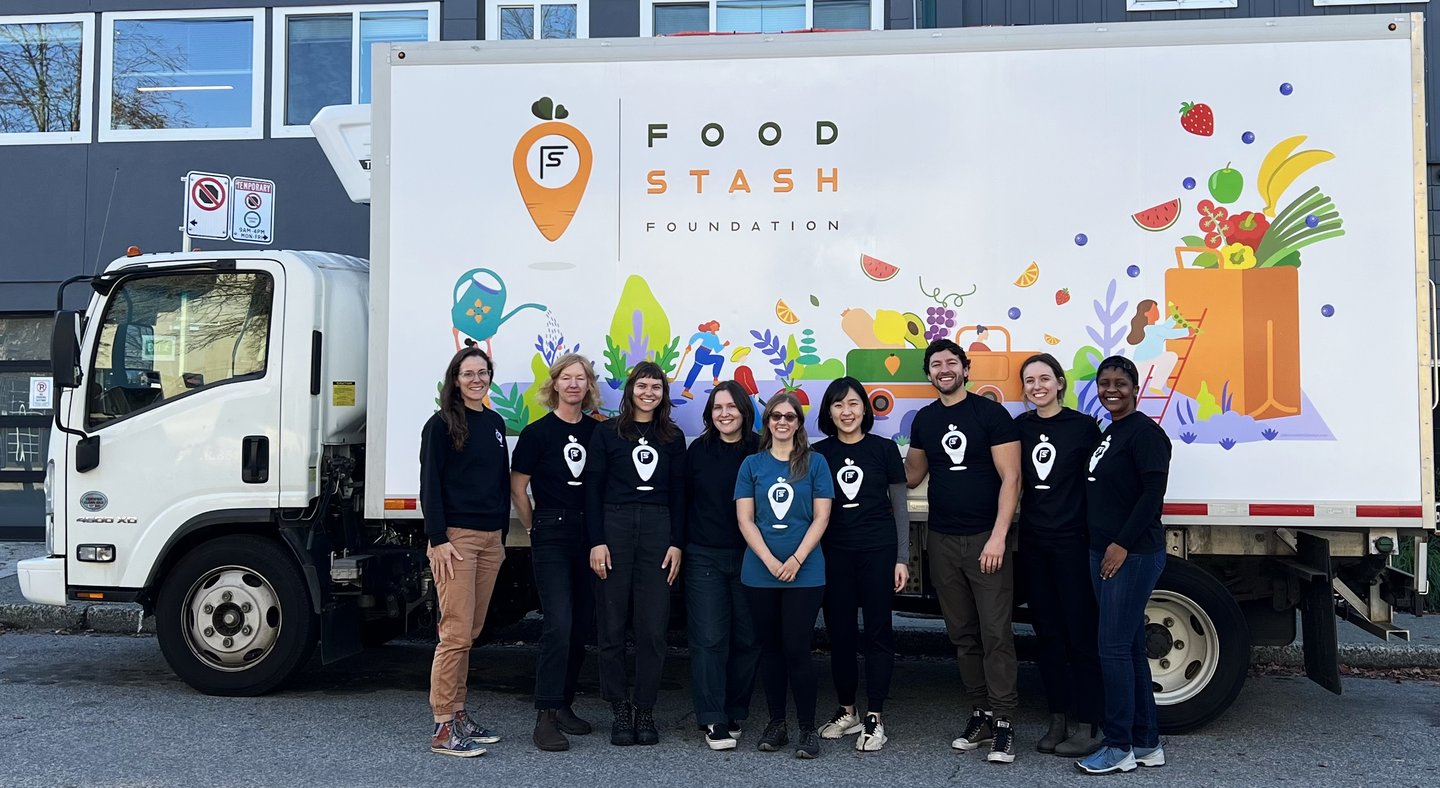
To reduce food waste, Stong’s partners with the Food Stash Foundation, which collects surplus food near expiry and redistributes it to local charities and people in need. A recent checkout campaign at Stong’s raised $5,375 for the foundation. And the grocer’s use of the Too Good To Go app allows customers to buy discounted “Surprise Bags” of unsold food; in the past year alone, the initiative has saved 4,398 meals and prevented nearly 12 metric tonnes of CO2-equivalent emissions.
Stong’s also promotes sustainable seafood through its partnerships with Ocean Wise and Skipper Otto, supporting both ocean conservation and local fishing families. Other sustainability initiatives include eliminating automatic checkout receipts—printing only when requested, using EcoChit paper—and offering café discounts to customers who bring their own reusable tumblers. “Through a variety of business practices, Stong’s Market is making a difference to Mother Nature,” says Carling.
Whole Foods Market
The Bee Cause Project provides schools with everything they need to support thriving schoolyard hives, including expert consultations, resources and curriculum. For the past decade, Whole Kids —a program pillar of the Whole Foods Market Foundation—has partnered with the non-profit to award more than 1,110 educational beehives, providing more than $2.1 million in pollinator education that has reached 1.4 million students. This year, the foundation invested more than $167,000 in Canadian programs, including seven bee grants.
“As we celebrate a decade of impactful partnership with Whole Foods Market Foundation, we’re reminded that this milestone is just one step in a much larger journey,” says Tami Enright, executive director of The Bee Cause Project. “Together, we’re not only supporting pollinators—we’re cultivating future environmental leaders, connecting kids to where their food comes from, promoting access to nutritious food and creating lasting change in communities.”
The transformational program is key to Whole Foods’ mission to improve children’s access to nutritious food, support healthy food education and spark curiosity about where food comes from.
Winners of the 2025 Impact Awards are featured in Canadian Grocer’s August issue.

