7-Eleven Canada looks to franchising, restaurant model and egg sandwiches for growth
There’s a sandwich foodies have flown thousands of kilometres to Japan to try and have strategized how to get through customs to share with friends back home. Though it sells for just a few bucks and comes wrapped in plastic, it even got the stamp of approval from late food journalist Anthony Bourdain who labelled it “pillows of love.”
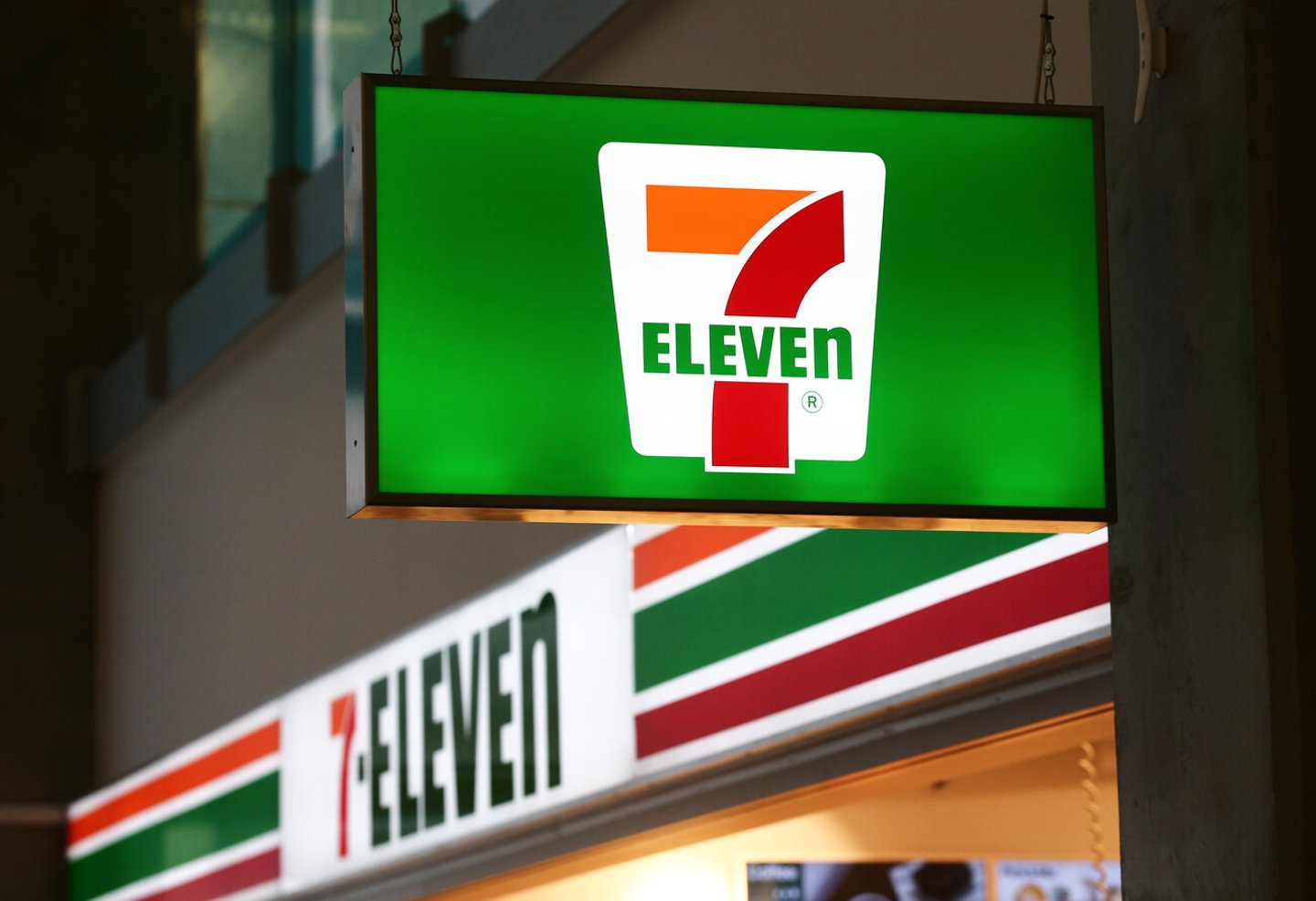
That sandwich — a tamago sando, or Japanese-style egg salad sandwich — comes from 7-Eleven, one of the world’s biggest convenience store chains.
The treat, which nestles a generous heap of cooked eggs and Kewpie mayonnaise between fluffy pieces of crustless milk bread, is about to make its way to Canada on March 4.
But for 7-Eleven, it's much more than a sandwich. It's a small part of a broader, five-year push to deepen the chain's presence in Canada and help it grow in an environment where everyone is now their competitor.
"The industry just generally has blurred,” Marc Goodman, vice-president and general manager of 7-Eleven Canada, said in an interview.
That means the convenience stores you might have popped into for a chocolate bar are now facing competition from Walmart, which has plunked itself in every city with more than 10,000 people, and other discount stores, where treats are a very low price, he said.
Also in the mix are grocery stores with expanded snack sections and more ready-to-go meals than ever, food trucks that can pop up in front of the busiest office districts and fast-food chains welcoming walk-in customers and others requesting meals through delivery apps.
"So more and more we've been seeing the external environment trying to take a piece of our pie, if you would," Goodman said.
Never was that more true than over the last two years, when Alimentation Couche-Tard, the Laval, Que.-based convenience store goliath also behind Circle K and Ingo, tried to purchase 7-Eleven parent company Seven & i Holdings.
Seven & i’s board initially rebuffed Couche-Tard's overtures but then the Quebec firm sweetened its deal and the two met at the table to discuss how a sale could get regulatory approval. Months later, Couche-Tard walked away, accusing its takeover target of a “persistent lack of good faith engagement.”
READ: Couche-Tard ends bid for 7-Eleven parent company over 'lack of good faith engagement'
Asked about the failed merger and how it's shaping the company now, Goodman said, "that was interesting, but we never lost sight and never took our foot off the pedal."
"We continued down our path and our direction and we're glad we did and now, it's time to accelerate it," he said.
That plan is to combat competition, not just with the sandwich, but also with a revamp to 7-Eleven's business model and move toward franchising.
The chain, which has been in Canada since 1969, has 550 corporately-owned stores between Ontario and B.C.
Goodman says a franchisor could help the company reach the Maritimes and Quebec and beef up its presence in Ontario.
Franchise growth will come as the company slowly repositions itself to be more like a quick-serve restaurant that happens to sell convenience store items, he said.
Some of that shift has already taken shape with many locations selling beer and wine and others offering dine-in seating for customers who don't want to dirty their car with food.
There's also been an emphasis on more diverse and quality food. For example, 7-Eleven Canada ships in its samosas from India and has hundreds of stores where crispy chicken is battered on site and croissants and cookies are baked. There are also four commissaries the company runs in Canada where it makes food that is then sent immediately to stores.
READ: HelloFresh study reveals Canadians' multicultural tastes
"If we talk about this in five years' time, hopefully, we'll see a higher degree of fresh food sales and hot food sales, and proprietary beverage sales, than we have today," Goodman said.
"And while we'll still have our traditional convenience store items, that will take a back seat."
Some of its new stars will come from Japan. It already sells onigiri — Japanese rice balls — but Goodman says, "we can probably do better with that product and expand."
"Whatever is popular in Japan, we could hopefully find one day here in Canada in our 7-Elevens," he said.