
Canned and bankrupt: Why Del Monte lost the shelf war

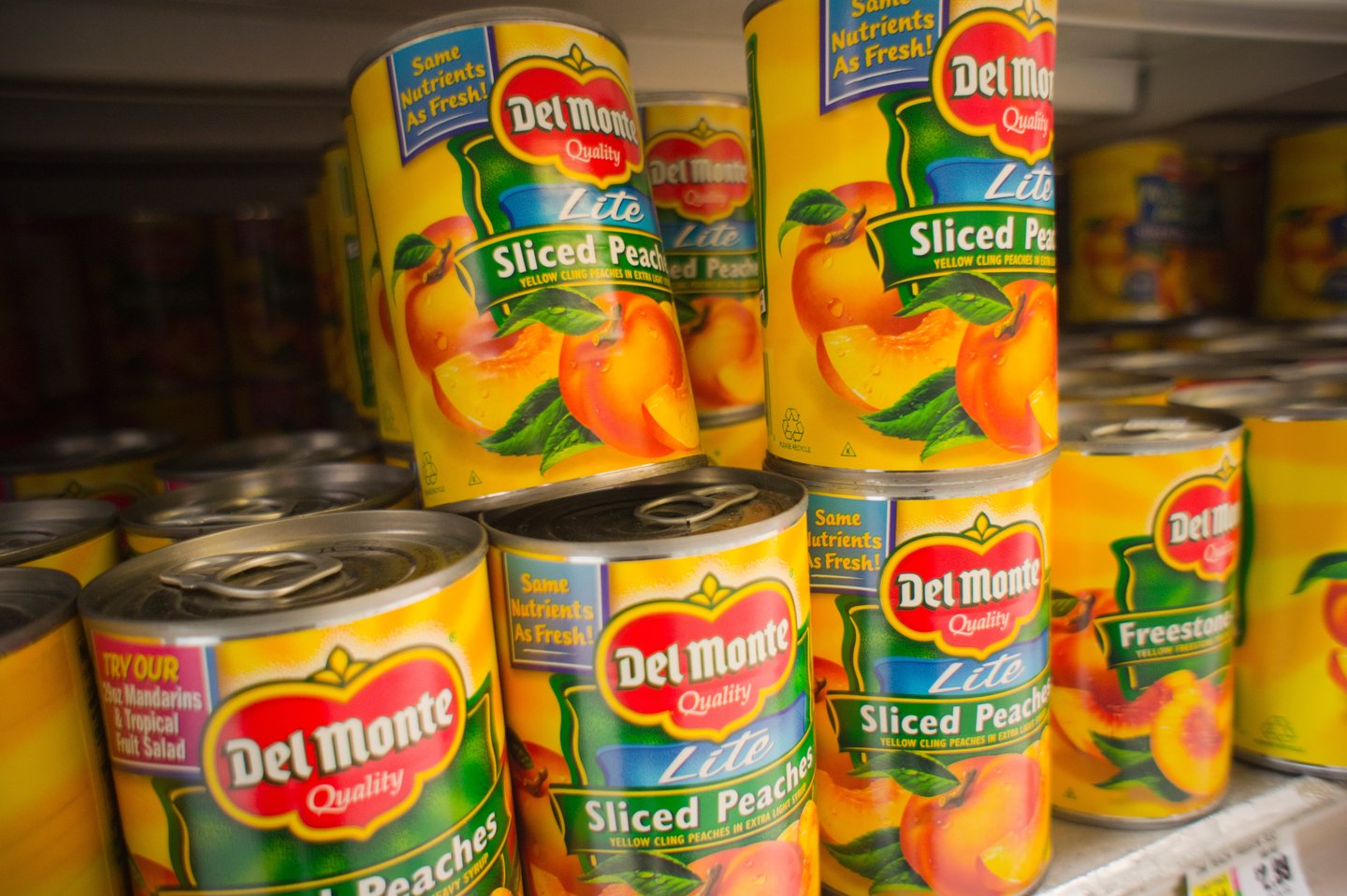
Del Monte’s bankruptcy this week stunned many who grew up with its canned fruit cocktail, peas, and corn lining their family pantry. After 139 years, the company has filed for Chapter 11 protection in the United States. But this isn’t a canary-in-the-coalmine moment for the entire sector—it’s more a case study in how legacy brands can fall out of sync with modern market dynamics.
In Canada, the Del Monte brand hasn’t truly been “Del Monte” for some time. In 2018, French multinational Bonduelle acquired the rights to use the Del Monte label for canned fruits and vegetables in Canada, merging it with its existing Arctic Gardens portfolio. While the branding remained familiar, the operational footprint and supply chains became distinctly European. Most Canadians never noticed.
The irony is that, despite the growing cultural emphasis on fresh and frozen foods, canned goods are enjoying a quiet resurgence. In Canada, sales in the “meals and soups” canned category have grown by more than 40% since 2018. In an era of persistent food inflation and rising food insecurity, shelf-stable, affordable, and convenient products like canned foods continue to offer real value. But for Del Monte, perception lagged behind this reality.
Over the past half-century, Canadian consumers have shifted decisively toward frozen and fresh alternatives. The quality gap has narrowed substantially as advances in flash-freezing have preserved nutrient content in ways canned products cannot match. Retail prices for frozen goods have also stabilized, giving consumers more choices and undermining the traditional value proposition of canned staples.
Del Monte’s problems, however, run much deeper than evolving consumer preferences. The company is facing over a billion dollars in debt and has failed to adapt its product lines and branding to meet modern tastes. It was also blindsided by geopolitical shocks. Steel and aluminum tariffs imposed during the Trump administration inflated packaging costs, which eroded already-thin margins. Few companies in this space were as exposed to those pressures as Del Monte.
Still, the brand isn’t going away. It will likely re-emerge under new ownership, streamlined and repositioned. But to thrive, it will need to diversify its SKUs, expand its footprint across more grocery categories, and find ways to compete in a center-of-store battlefield now dominated by agile private labels offering lower prices and faster innovation cycles.
This restructuring opens the door for smaller Canadian brands to grow—especially those producing fresh or locally-sourced options. For years, these companies have struggled to scale under the shadow of legacy incumbents like Del Monte. A realignment in the canned food aisle could finally give them the shelf space and leverage they need with major retailers.
One overlooked player in this shakeup is the food bank sector. Traditionally reliant on canned donations, food banks are also evolving. As societal understanding of nutrition deepens, they are shifting toward more diverse, fresh, and culturally relevant offerings. Canned goods still have a role, but no longer the central one they once held.
In the end, Del Monte’s bankruptcy is not a symptom of an industry in crisis. It’s a cautionary tale about brand inertia, trade exposure, and the failure to modernize in a volatile, value-driven food economy.