
The rise of the pajama economy

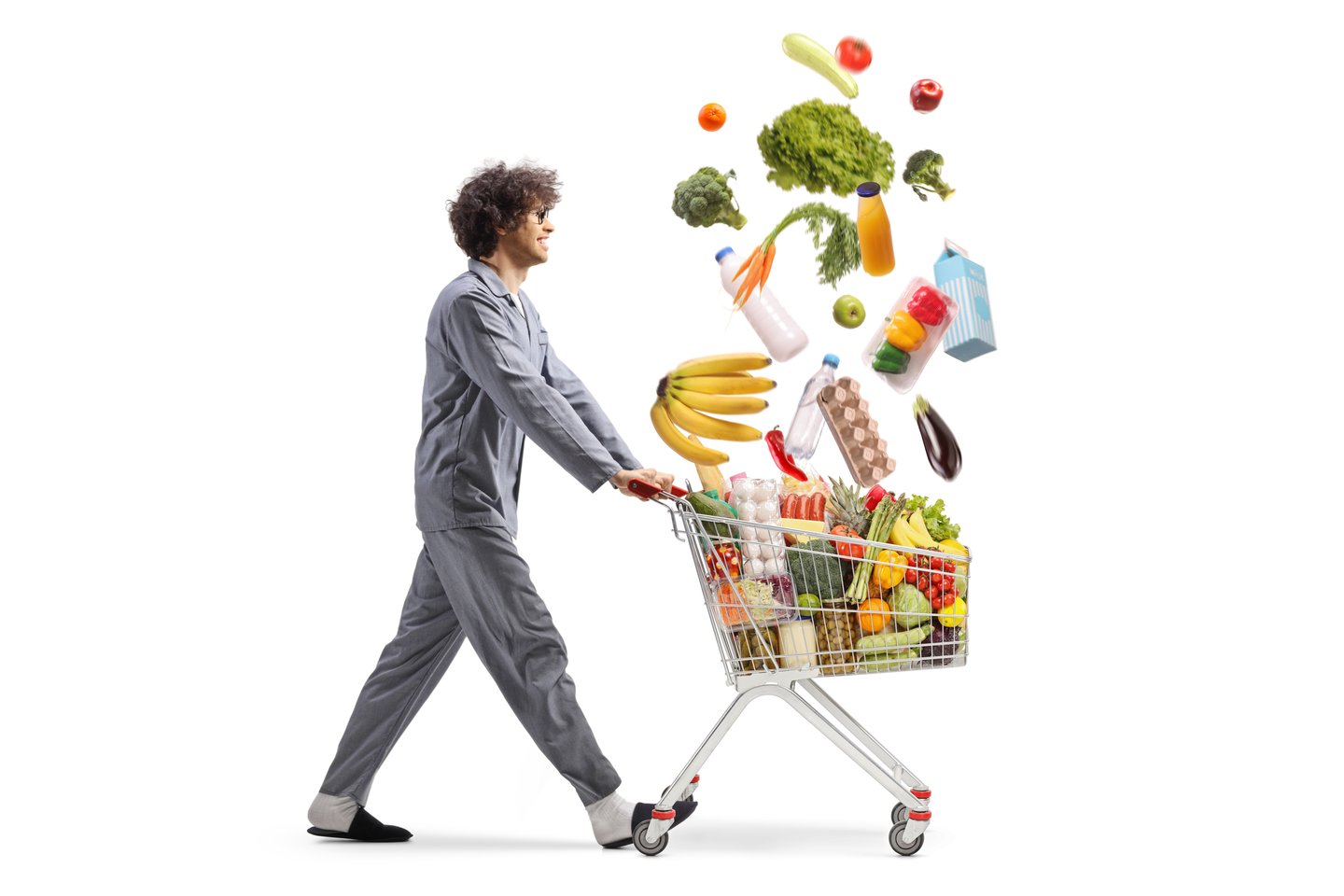
Spend enough time in a grocery store these days and you'll notice something that was once outside the norm: shoppers in pajama pants.
What once felt like a social faux pas is quietly becoming commonplace. Pajama bottoms, flannel lounge pants and slippers have become part of what could be called the new “errand uniform.” And while it may seem trivial, consumer behaviour—even clothing choices—often reveals deeper economic shifts.
Recent surveys suggest attitudes toward wearing sleepwear in public have changed dramatically: 41% of adults under 45 consider it acceptable to wear pajamas or sleepwear for quick outdoor tasks such as grocery shopping, compared with only 18% of people over 65.
The numbers highlight a stark generational divide: younger consumers prioritize comfort and convenience, while older generations still associate public spaces with a degree of formality.
At first glance, the “pajama grocery run” may seem like a harmless social trend, but it reflects a much broader transformation in how people shop for food.
First, grocery trips are becoming shorter and more frequent. With online shopping, curbside pickup and highly-localized retail networks, many consumers no longer plan large weekly grocery runs. Instead, they stop by the store quickly to pick up a few items. When a trip takes ten minutes, social formality tends to disappear.
Second, the pandemic permanently reshaped how people dress. Remote work normalized casual clothing throughout the day. When millions of people began working from home, the boundary between “home life” and “public life” blurred. The grocery store became an extension of the living room.
Third, inflation has changed the psychology of food shopping. Consumers today are more cautious, more strategic and more price sensitive. Instead of treating grocery shopping as a planned outing, many people now make quick trips to chase discounts or replace specific items. Convenience often trumps appearance.
The pajama trend also signals something important about modern food retail: grocery stores are no longer destinations—they are utilities.
The traditional grocery trip used to resemble a social activity. Families would dress, drive to a supermarket, walk the aisles and browse. Today, many stores function more like infrastructure. Consumers want efficiency, speed and low friction.
READ: Spontaneous, practical or passionate, emotions guide consumers' grocery purchases
Retailers are responding accordingly. Self-checkout stations, app-based promotions and ready-to-eat foods all reduce the time shoppers spend inside stores. When the goal is speed, wardrobe becomes irrelevant.
There are also subtle implications for retail economics. If shoppers increasingly treat grocery visits as quick errands, they are less likely to browse aisles or discover new products. That reduces impulse purchases — a major driver of grocery margins. The pajama shopper may also be the efficient shopper, entering the store with a list, grabbing a few items and leaving quickly.
This behavioral shift could also influence store design. Grocers may prioritize smaller formats, faster checkouts and stronger digital promotions over elaborate in-store merchandising designed to encourage browsing.
READ: Finding fun (again) in the grocery store
There is also a generational element at play. Younger consumers are less concerned about public dress codes, but highly focused on value and convenience. For them, grocery stores compete not just with other grocers but with delivery apps, meal kits and convenience stores.
If grabbing milk takes five minutes, pajamas are perfectly rational attire.
Some observers may interpret the trend as a sign of declining social standards. Economists tend to see it differently. Clothing choices are often signals of deeper lifestyle changes—time pressure, remote work and evolving consumer priorities.
In today’s grocery economy, efficiency is the new fashion. And apparently, so are pajamas.