
Fewer kids, more pets — and a food system that isn’t ready
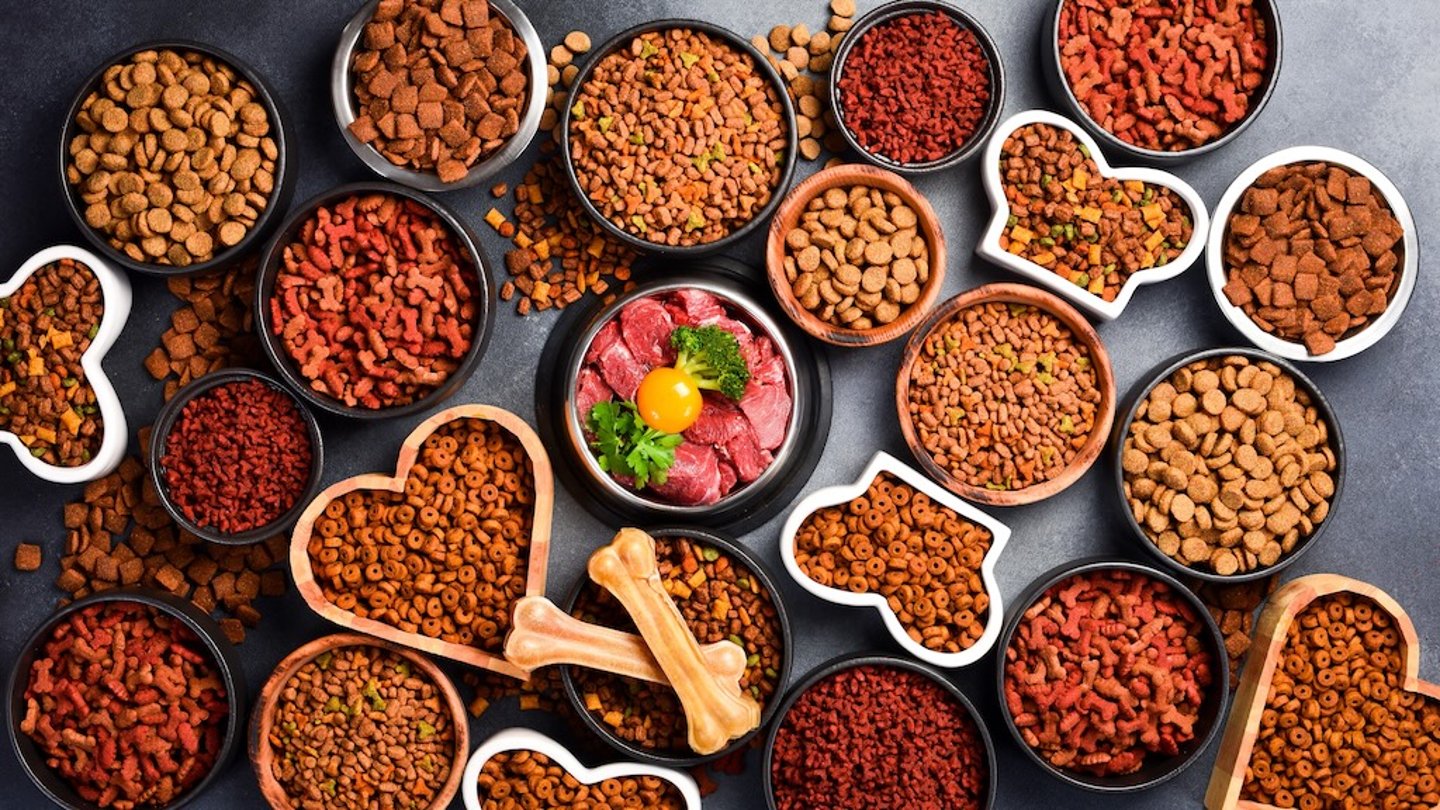
Pet food inflation isn’t a lifestyle story, at least, not anymore.
For years, pet ownership in Canada has been framed as a lifestyle choice. A dog is a companion. A cat is a comfort. In public discourse, pets are often treated as discretionary luxuries—nice to have, but optional. That framing is now badly outdated.
Today, roughly six in 10 Canadian households live with at least one cat or dog. There are more than 16 million cats and dogs in the country. And a growing share of those animals are not owned by young families with rising incomes, but by seniors, people living alone, and households that explicitly view pets as family members and primary sources of companionship. This shift is unfolding alongside another profound demographic reality: Canadians are having fewer children. Fertility rates are at historic lows, household sizes are shrinking, and single-person households are becoming more common. In that context, pets are increasingly filling roles once occupied by children—emotionally, socially, and economically.
This matters—because the cost of feeding those animals has quietly surged.
READ: Is it time to rethink the pet aisle?
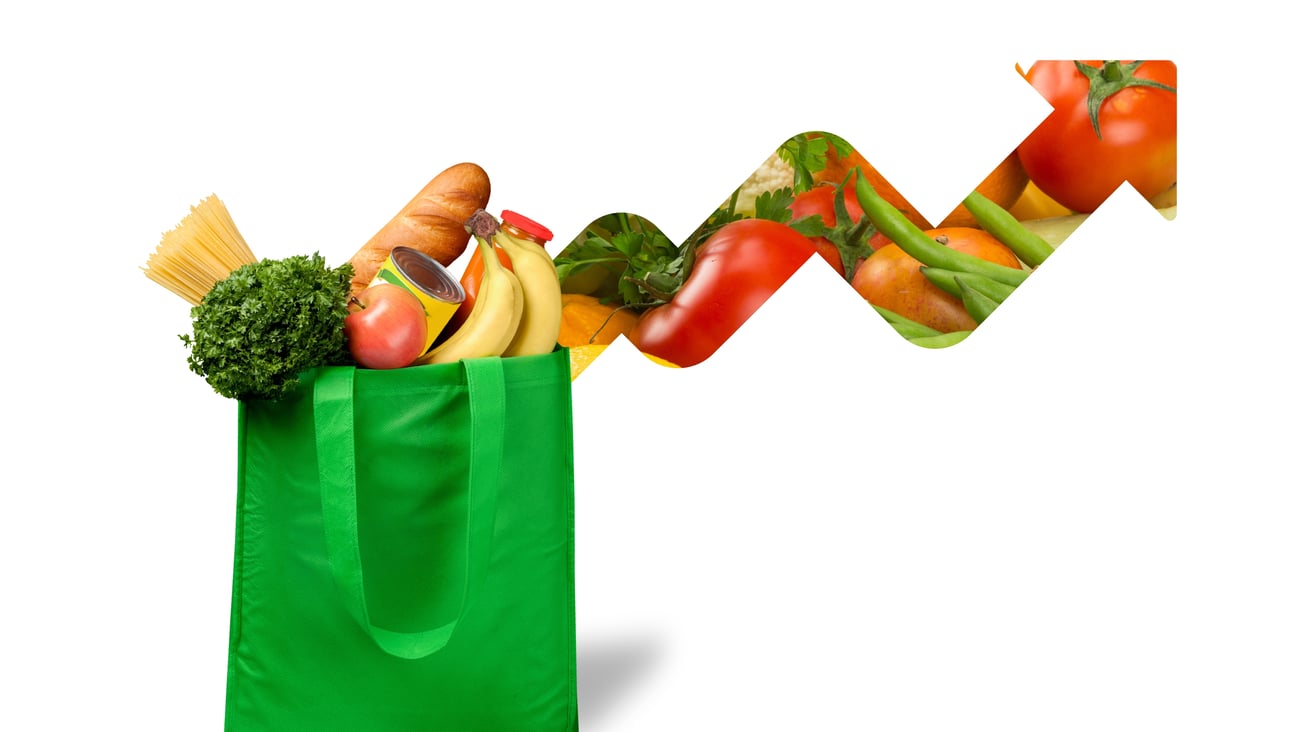
Since 2020, pet food prices have risen by roughly 25–30 per cent on average, with some brands and formulations climbing far higher. For households on fixed or modest incomes, pet food inflation is not an abstract market trend. It is a weekly budgeting problem.
And the strain is now visible in the charitable food system. Across Canada, humane societies, SPCAs, and community organizations increasingly distribute pet food—sometimes through dedicated pet food banks, sometimes alongside human food. Traditional food banks, never designed to feed animals, are referring clients to these programs because demand exists. When pet food enters the emergency food system, it is a clear signal that it has crossed from discretionary spending into basic household necessity.
READ: Mars and Humane Canada launch national animal emergency response program
Contrary to stereotype, pets are not primarily owned by affluent, two-income households. Nearly half of Canadians aged 55 and over own a pet, despite lower overall incomes and rising healthcare costs. Singles and people living alone have among the highest pet-ownership rates, especially among younger adults and widowed seniors. Across age groups, companionship—not recreation or status—is the dominant motivation for owning a pet.
For many seniors, a pet is not a lifestyle accessory. It is daily structure. Emotional stability. A reason to walk, to engage, to stay connected. For singles, especially in high-cost urban markets, pets often substitute for family networks that are geographically distant or economically inaccessible.
When pet food prices rise sharply, these households do not simply trade down or opt out. They absorb the cost—or sacrifice elsewhere.
From an economic perspective, pet food behaves much more like a necessity than a discretionary good. Demand is relatively inelastic. Owners do not meaningfully reduce quantity when prices rise; instead, they cut back on their own consumption, delay veterinary care, or rely on charitable support.
Ignoring pet food inflation is not just socially tone-deaf—it is economically short-sighted. Pets play a measurable role in mental-health outcomes, especially for seniors and people living alone. When households are forced to choose between feeding themselves and feeding their animals, the downstream costs appear elsewhere: greater social isolation, higher healthcare utilization, and increased pressure on public services.
Pet food inflation may not dominate CPI headlines, but for millions of Canadians, it is real, personal, and increasingly unsustainable.