Food for thought with Michael von Massow
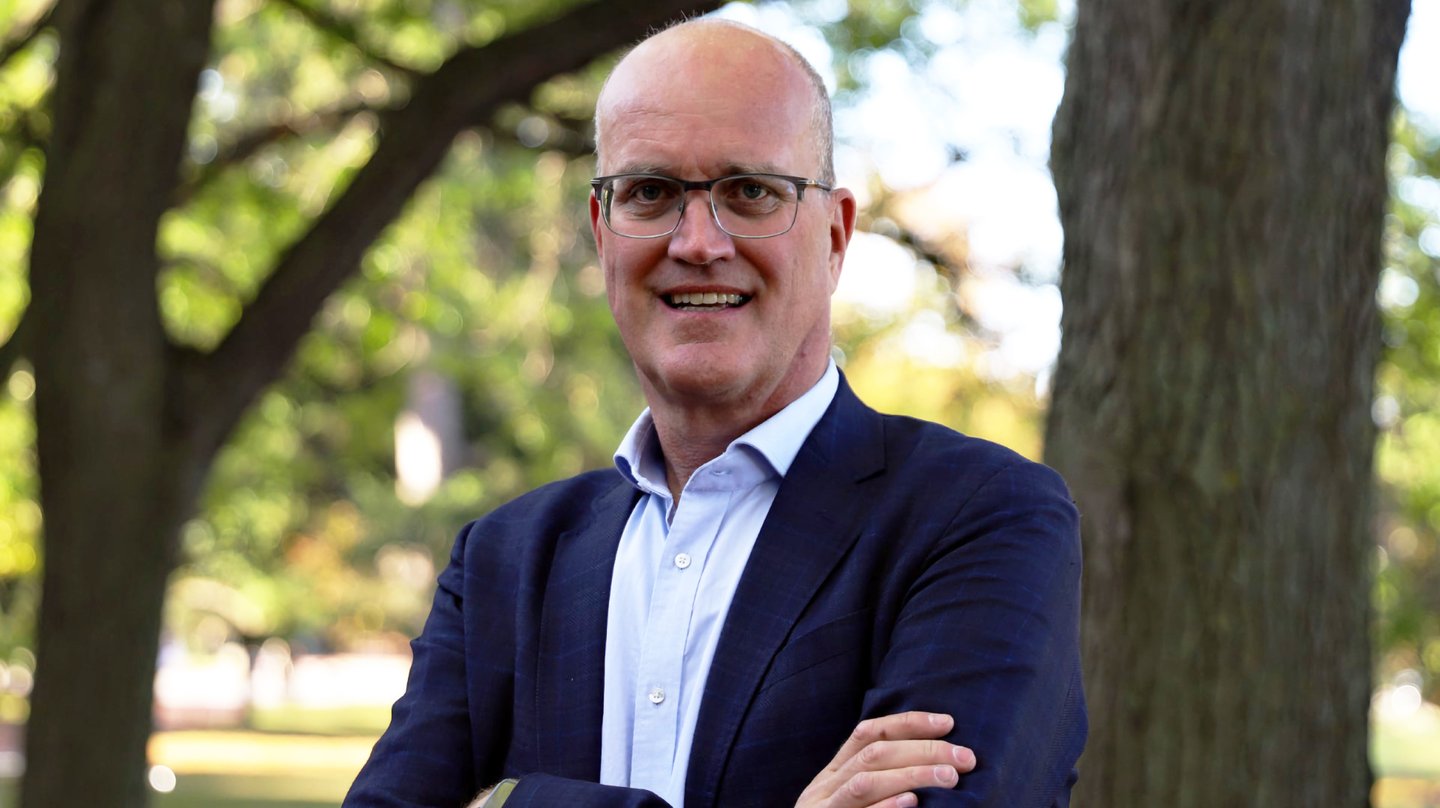
The grocery industry is in a state of flux, shaped by rising costs, labour shortages, ongoing supply chain disruptions and shifting consumer habits. To unpack some of this, Canadian Grocer spoke with Michael von Massow, professor in the department of food, agriculture and resource economics at the University of Guelph. He shares insights on why prices remain high, how shoppers are adapting and what to expect when the grocery code of conduct comes into effect. This interview has been edited for clarity and length.
What are the biggest factors driving food inflation in Canada right now?
One of the biggest reasons we’re seeing food price inflation today is that beef prices are going up and that’s pulling substitutes up as well. So, pork prices are going up a little bit. We’re not seeing the same in poultry because they’re supply managed … but beef prices are going up because we had dry weather for a couple of years in Western Canada and in the Midwest of the U.S. When the weather is dry, we can’t produce as much hay or produce as much grass on the pasture. That means we don’t have enough feed for the beef cattle, so we’ve had to shrink our herds to survive. As supply goes down, price goes up—and it takes time to rebuild the herd.
Also, we saw some impacts over the summer from Canada’s retaliatory tariffs. Prices went up on fresh-squeezed orange juice from Florida, sugar and confectionery products. The federal government picked products carefully to allow consumers to switch to non-tariff products so, … unless you were stuck on an old cheddar from Wisconsin, you could find a less expensive substitute. Now the tariffs are off, we should see some of those prices come down.
READ: BMO says Canadian economy expected to see modest growth in 2026 amid trade uncertainty
How are Canadians adapting shopping habits in response to higher food prices?
We’re seeing some Canadians shift to lower price grocery [banners], and we’re seeing the big grocers respond. Loblaw is closing some of the No Name stores it opened as part of a previous plan, but Windsor [Ont.] was one of the markets affected and Costco has announced plans to build another store there. Some people are changing their stores; they’re going to Food Basics, they’re going to FreshCo and we see that reflected in how grocers are responding. And some people aren’t changing stores, but they’re being more attentive as they buy.
What long-term shifts should grocers anticipate in terms of consumer behaviour, pricing or product mix?
With this significant price pressure and the move to discount, we’re seeing less variety. Suppliers, processors and retailers need to balance a reduced selection, low-budget model with enough variety to meet ongoing demand for specific products. The affordability gap will narrow over time and we will see a return to high-welfare and specialty products and vast amount of choice because there is such diversity amongst consumers.
If you could recommend a policy change that could improve food affordability in Canada, what would it be?
It’s tough to because so many factors affect food affordability. The government can’t undo a drought that changed the beef industry, reverse Trump’s trade policies or end the war in Ukraine. There’s little we can do to reduce costs immediately. The government and grocers get blamed when prices go up probably more than they deserve, and they get credit when prices go down, again, probably more than they deserve. If the government boosted Canadian production, it could improve supply chain consistency, easing price volatility—but it wouldn’t guarantee long-term price reductions.
READ: Retail power shifts in Canada
Canada’s grocery code of conduct comes into effect on Jan. 1. Are there any unintended consequences the industry should be aware of?
Well, it has the potential to increase food prices, right? If grocers can’t extract concessions from their suppliers for things like online infrastructure, pricing, terms or returns—as addressed in the grocery code of conduct—their costs will go up. And when costs go up, prices rarely fall. It’ll be interesting to see the dynamics of the relationship between grocers and their large suppliers. It may mean some grocers will stop listing some low-margin products from suppliers they were extracting concessions from. So, there may be some reduction in variety, but I’m not expecting too much of that sort of thing.