

Beef bans, halal menus and the erosion of choice
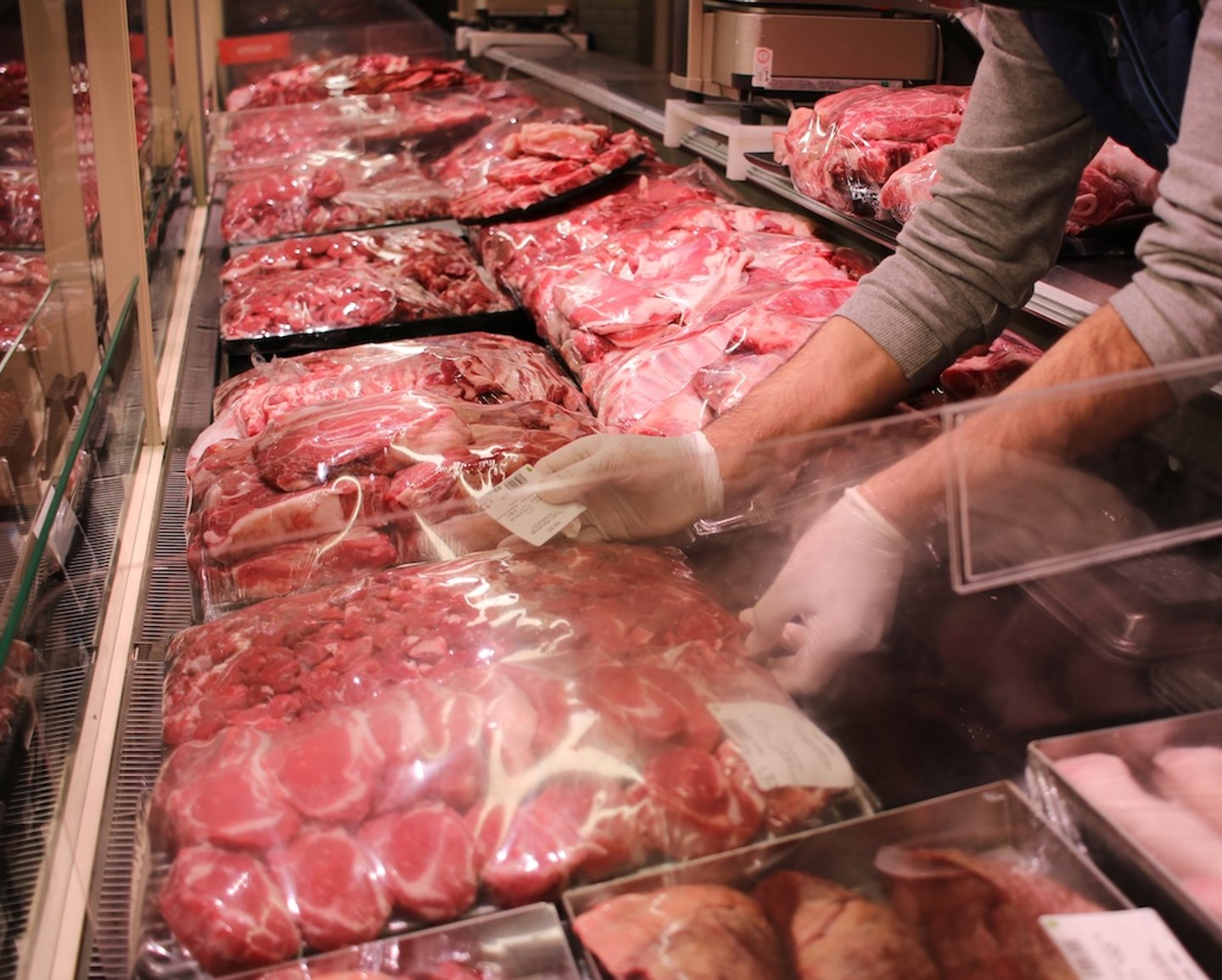
Last week, Polytechnique Montréal, the engineering school affiliated with the Université de Montréal, became the first university in Canada to outright ban the sale of beef on campus. The justification was environmental: reducing the institution’s carbon footprint. Similar measures have already appeared at several universities in the United States and Europe, where beef has either been sharply reduced or eliminated altogether, again under the banner of climate responsibility.
The trend is not limited to campuses. In Quebec, reports suggest that some publicly funded seniors’ homes are now serving vegetarian-only or predominantly plant-based meals, citing environmental goals. In New Brunswick and other provinces, parents have been told that only halal meat is served in publicly funded daycare centres. In these latter cases, cost considerations are likely part of the decision, yet little attention has been paid to consumer choice, transparency, or the secular nature of public institutions.
READ: Generation Z in Canada driving demand for healthier food choices
From the perspective of a food economist, a critical distinction must be made. If a private institution chooses to ban beef, adopt vegetarian menus, or serve only halal meat, that is a business or organizational decision. Markets allow for experimentation and preference-driven outcomes. But when public funding is involved, or when a service is delivered on behalf of the state, democratic accountability and pluralism matter. Citizens cannot simply “shop elsewhere” when essential public services are at stake.
Beef has been singled out for decades as a carbon-intensive food, often portrayed as an environmental villain. Yet the science underpinning that narrative is far from settled. There is no scientific consensus that beef is inherently good or inherently bad for the environment. Instead, the academic literature points in different directions depending on assumptions, time horizons, and production systems.
For example, Joseph Poore and Thomas Nemecek (2018, Science) conclude that beef generally has the highest greenhouse-gas footprint among major food categories when assessed through global life-cycle analysis. This finding is frequently cited to justify calls for reduced beef consumption. In contrast, Jason Stanley et al. (2018, Agricultural Systems) show that certain grass-fed beef systems in the United States could approach carbon neutrality when soil carbon sequestration is fully accounted for. Similarly, Richard Teague and colleagues (2016; 2021) report that adaptive multi-paddock grazing can improve soil health and increase carbon storage relative to conventional grazing systems.
At the same time, critics such as Tara Garnett and the Food Climate Research Network (2017) caution that soil carbon gains may be temporary or overstated and warn against assuming that grazing systems can fully offset methane emissions. Taken together, these studies illustrate that beef’s environmental impact is highly sensitive to context and methodology. The science is contested, not conclusive.
Against this backdrop, banning beef in public institutions begins to resemble virtue signalling rather than sound public policy. Beef remains an integral part of Canada’s food culture and agricultural economy. In a northern country with long winters, access to affordable, high-quality protein—including animal protein—has long been part of dietary norms, particularly for seniors and children.
The halal debate raises an additional concern. Canada is a secular society, and public institutions are expected to remain neutral with respect to religion. If a publicly funded service decides to procure only halal meat, that choice should be clearly disclosed. Transparency is the minimum requirement. Moreover, if some citizens are uncomfortable with the practice, their views deserve consideration. Public services should not quietly impose religiously defined standards without discussion or alternatives.
Imposing food choices on citizens—whether justified by selective readings of environmental science or by administrative convenience—sets a troubling precedent. Public institutions exist to serve diverse populations, not to prescribe diets or moral preferences. If governments or publicly funded bodies wish to influence food consumption, they should do so through open debate, clear evidence, and respect for individual choice, rather than through unilateral bans enacted behind cafeteria counters.