
Counter-tariffs at the checkout: Canada’s self-inflicted food bill

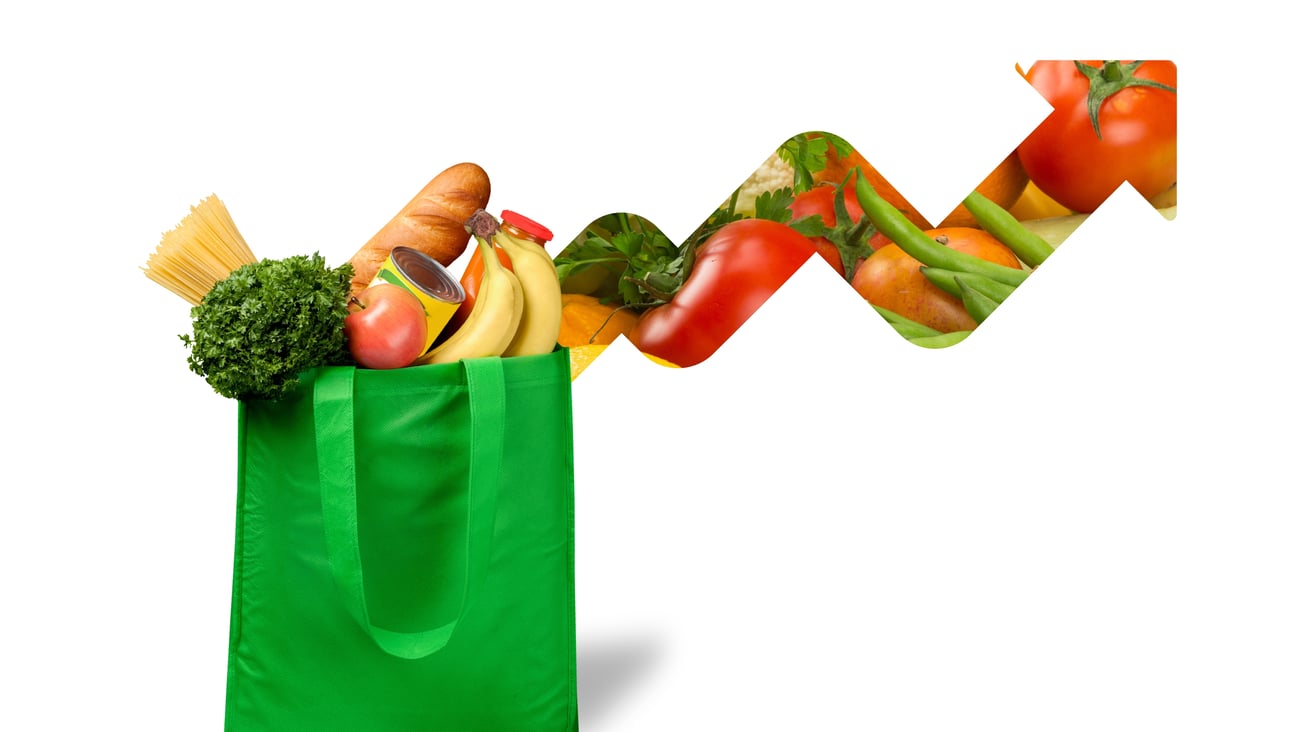
Food inflation in Canada climbed again in August, reaching 3.4%, exactly as forecast. Grocery prices rose 3.5%, running a full 1.6 points higher than the general inflation rate. For every month of 2025, so far, food inflation has outpaced overall inflation. The grocery aisle has become a pressure point for households across the country, and it’s not just the market at work—it’s Ottawa.
READ: Inflation ticks higher to 1.9% in August, short of economists' expectations
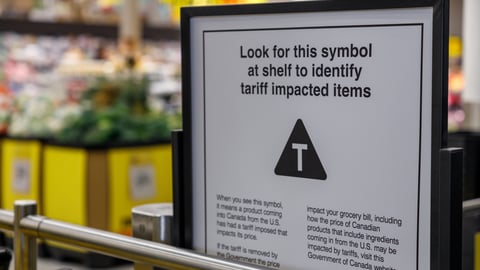
Government policies have played a central role. The GST holiday, sold as relief, distorted retail pricing signals. More importantly, counter-tariffs against U.S. products—introduced as a political bargaining chip—artificially inflated costs. The federal government claimed to be protecting Canadian interests, but in reality, these measures landed squarely on consumers’ grocery bills.
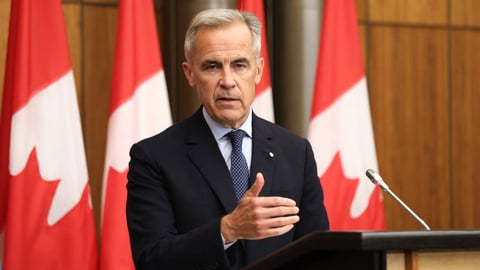
READ: Carney announces that Canada is dropping many retaliatory tariffs on U.S. goods
The impact has varied by region. Prince Edward Island now suffers the highest retail food inflation in Canada at 4.2%, while Manitoba enjoys the lowest at 3.1%. In specific categories, the distortions are glaring: coffee and tea jumped 22.4%, nuts 14.2%, sugar 5.4%, seafood 4.5%, and cookies and crackers 4.4%. With the exception of meat, these increases were fuelled directly by counter-tariffs, which finally ended on Sept. 1.
Meat tells a different story. Prices rose 10.5%, not because of Ottawa, but because of nature and economics. Drought conditions and soaring feed costs have pushed many cattle producers to exit the business altogether. With herds shrinking, supply is tightening, and beef prices are unlikely to normalize until early 2027 at the very earliest. That structural reality will keep meat a costly staple for years.
Amid the tariff chaos, however, some small miracles have appeared. Both fresh fruits (-1.1%) and vegetables (-2%) were cheaper this month, offering rare relief in the produce aisle. Rice, a staple for many Canadian households, also fell (-1.9%). These declines, while modest, show that not all categories are moving in lockstep—and that consumers are still finding pockets of affordability despite political and climatic shocks.
The contrast with the United States is stark. Canada’s food-at-home inflation peaked at nearly 4% in April, while American households faced rates closer to 2%. Canada’s grocery aisle is hotter and more volatile, while U.S. prices, though rising, remain steadier. Canadian families are absorbing the cost of political experiments that their American counterparts have been spared.
Yet when the new inflation numbers were released, most media outlets followed a familiar script: report that food prices are rising, but skip the “why.” The uncomfortable truth is that Ottawa’s counter-tariffs, not vague global forces, were responsible for much of the pain. By ignoring the real cause, coverage only shields decision-makers from accountability.
Canadians deserve honesty about what is driving their grocery bills. Policy-induced inflation is a political choice, not an inevitability. The worst is likely behind us—provided Ottawa resists the temptation to play with market conditions again.