
How rumoured Canadian dairy changes could trigger more milk dumping
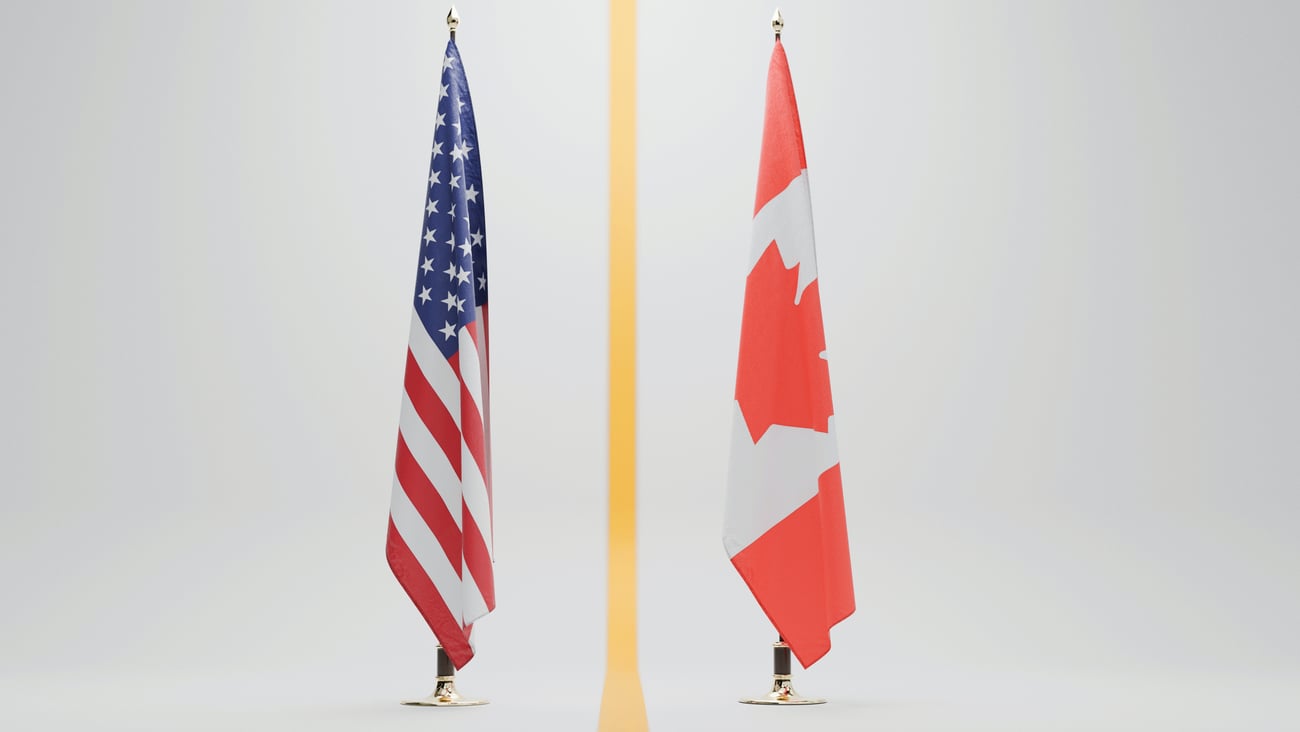
President Donald Trump’s latest tariff threat has pushed Canada back to the negotiating table. An additional 50% tariff on specified Canadian goods, scheduled to take effect Aug. 19, appears to have caught Ottawa flat-footed. The federal government is now scrambling to limit the damage to several industries, including roughly $1.5 billion in agri-food trade involving Canadian alcoholic beverages, whisky and dairy products.
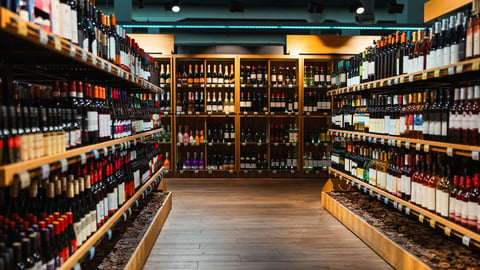
Start with the provincial bans on U.S. alcohol. It was never entirely clear what governments expected to accomplish. Perhaps the bans were intended to create negotiating leverage. But excluding products from any market eventually imposes costs at home as well as abroad.
READ: LCBO removing U.S. alcohol from its shelves in response to tariffs
Since the bans began in spring 2025, provincial liquor authorities have incurred costs related to storage, inventory management and the disposition of unsold U.S. products. Consumers have also faced fewer choices and less competitive pressure on prices. The policy certainly hurt U.S. producers, but it was never cost-free for Canadian liquor boards, restaurants, retailers or consumers.
Canadian products eventually gained sales and market share in certain provinces and categories. In Quebec, Canadian spirits performed particularly well, while Ontario-made wines and other domestic products also benefited. But the bans did not generate a broad increase in alcohol consumption or sales volume. Some purchases shifted to Canadian brands, others moved to non-U.S. imports.
That is not what economic leverage looks like. Real leverage comes from assets other countries need: energy, critical minerals, transportation infrastructure, market access and regulatory cooperation. Restricting consumer choice and suppressing competition is political theatre masquerading as economic strategy.
Even if many Canadians remain unwilling to purchase U.S. alcohol, returning those products to provincial shelves would still matter. Their presence would force Canadian and other foreign producers to compete more aggressively on price, quality and innovation. Consumers benefit from competition even when they ultimately choose a domestic product.
The dairy file is more complicated—and potentially far more consequential.
Late last week, The Globe and Mail reported that Ottawa was considering concessions involving greater access for U.S. dairy proteins. Depending on how such a commitment is structured, it could place the government on a collision course with Bill C-202, the law Parliament adopted in 2025 to prevent future trade agreements from increasing tariff-rate quotas or reducing over-quota tariffs for supply-managed products.
READ: New supply management law won't save the system from Trump, experts say
Bill C-202 received support across the political spectrum. That unanimity did not make it sound policy. The legislation effectively told the dairy industry that reform was unnecessary because future governments would protect the system indefinitely. It removed one of the few remaining incentives to prepare for greater competition, invest in processing capacity and develop a serious long-term strategy. The result is a dairy sector that is arguably more vulnerable, not less. President Trump understands that vulnerability and is using it.
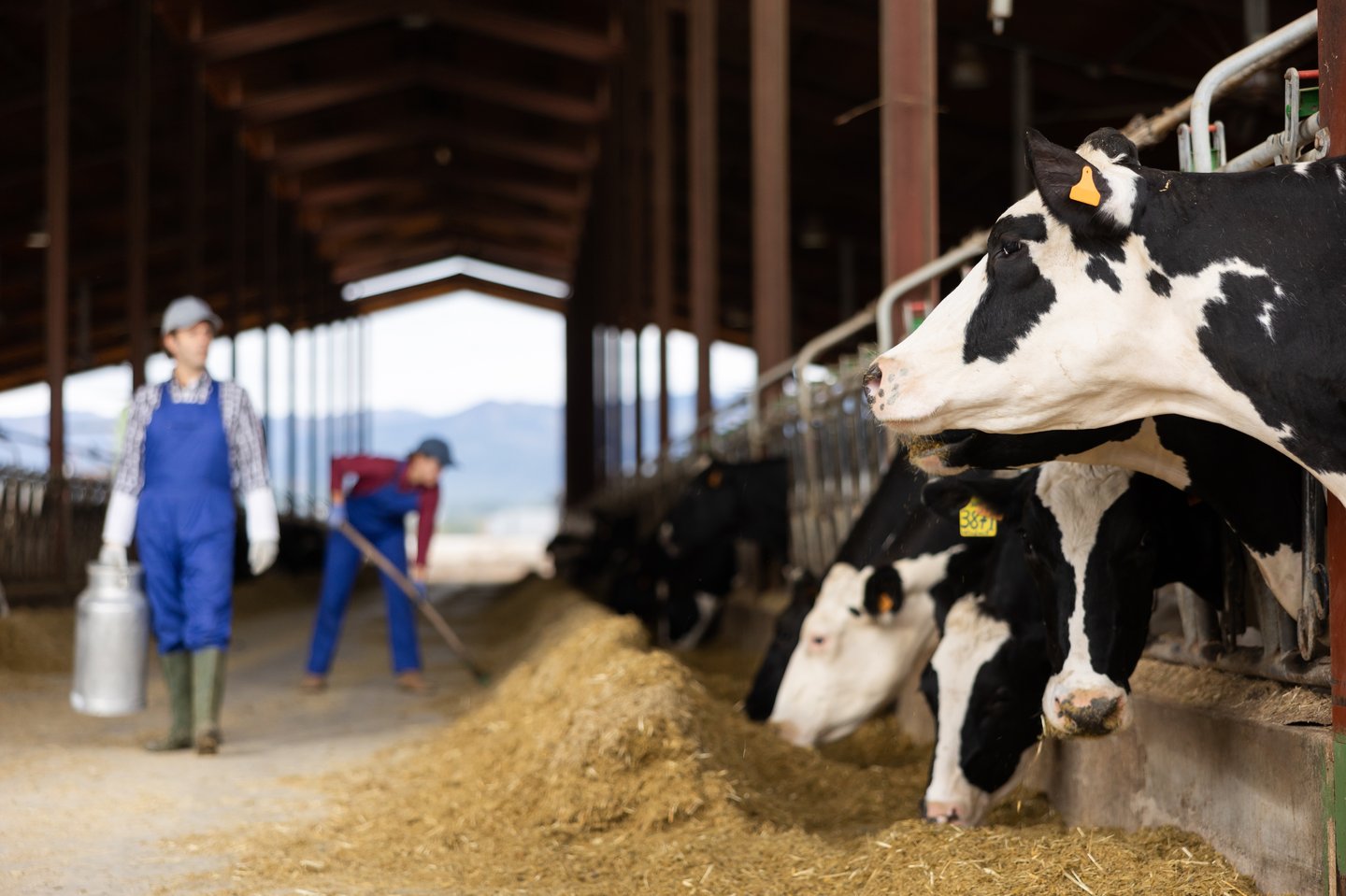
Those who believe U.S. dairy products could never penetrate the Canadian market are missing the point. The Americans are not necessarily trying to sell cartons of milk directly to Canadian households. They want to sell more milk proteins to Canadian processors. Companies such as Saputo, Agropur and Lactalis could use those lower-cost ingredients in cheese and other manufactured products.
Processors could save money. Consumers, however, would have no guarantee of seeing those savings at the grocery store.
Canada has been down this road before. During the diafiltered-milk controversy, from roughly 2015 to 2018, U.S. milk proteins entered Canada tariff-free because they were classified as protein ingredients at the border. Once inside Canada, processors could treat them as milk for cheese-manufacturing purposes. The product was not considered milk when it crossed the border but effectively became milk inside a Canadian processing plant.
The arrangement allowed processors—including Canadian-owned companies—to lower their ingredient costs while displacing some Canadian milk. Most consumers had no idea U.S. proteins were being used because supply management remains one of the least transparent components of Canada’s food economy.
Canada responded by introducing milk Classes 6 and 7, allowing domestic proteins to be sold to processors at more competitive prices. The United States objected, and Canada eventually agreed to eliminate those classes during the CUSMA negotiations. Ottawa then compensated dairy farmers, continuing a familiar cycle: concede market access, issue government cheques and postpone structural reform.
The episode also exposed the system’s difficulty managing surplus non-fat milk solids. A joint academic study involving Dalhousie and McGill researchers estimated that more than one-billion litres of raw milk went unaccounted for during that period.
If Ottawa grants additional access to U.S. dairy proteins, three outcomes are likely. Imported proteins could reduce demand for Canadian non-fat milk solids, worsening existing surpluses which could lead to more dumping. Ottawa would then face pressure to compensate farmers, despite having already committed billions following CETA, the CPTPP and CUSMA. Finally, the industry would resist reform because the current arrangement continues to benefit its most influential participants.
Ottawa should reject another concession without demanding greater transparency, independent reporting on milk disposal, investment in domestic processing and gradual modernization of quota policy.
The choice is not between abolishing supply management tomorrow and preserving it unchanged forever. It is between managed reform and managed decline.