
The drug that’s eating the food industry
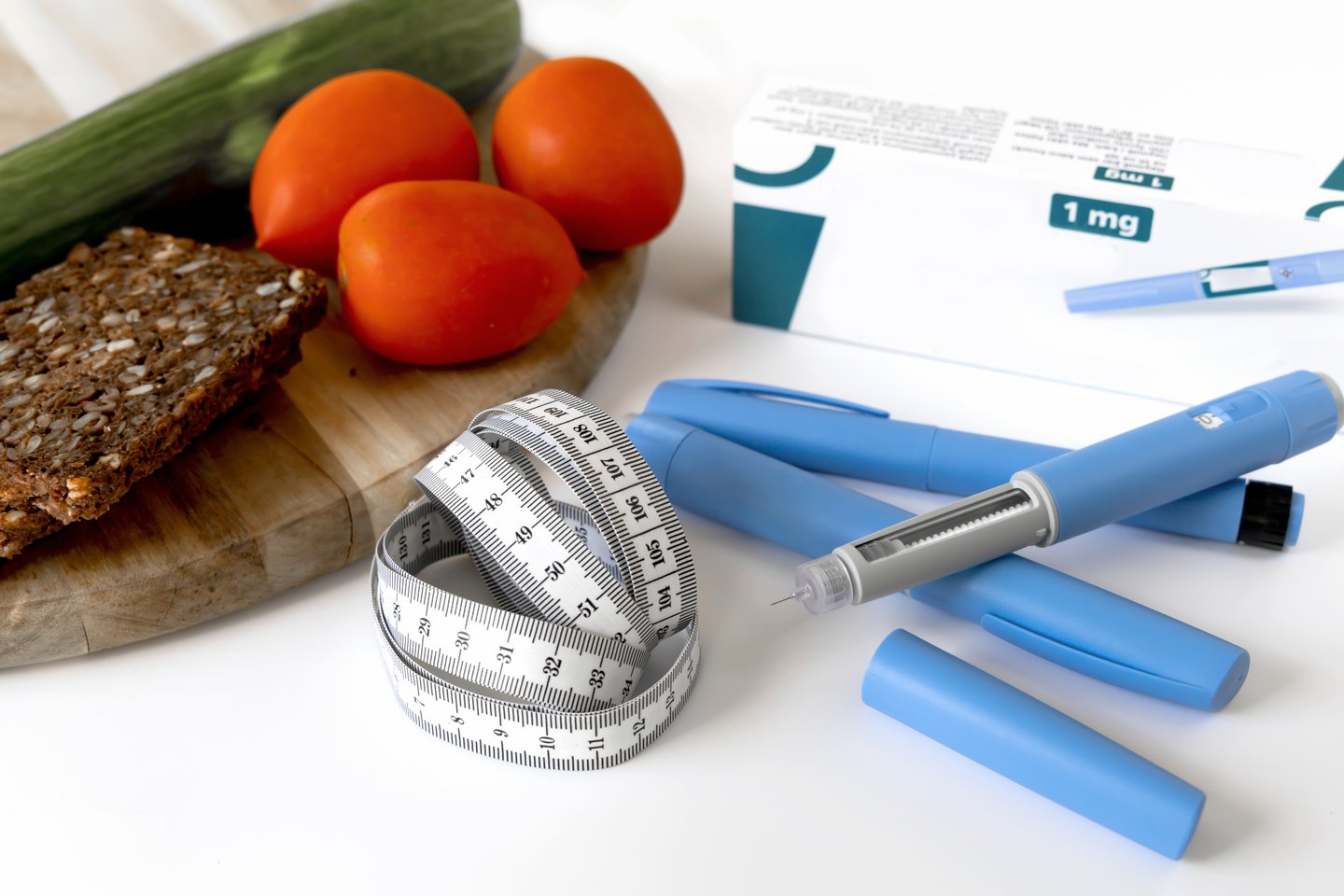
Something profound is happening in Canada’s food economy, and most people haven’t quite grasped it yet. It’s not a new grocer, a new restaurant chain, or even a new diet trend. It’s a class of medications—GLP-1 drugs such as Ozempic and Wegovy—that are rapidly altering how Canadians eat, drink, and shop.
For years, industry leaders have assumed that food demand is stable, predictable, and tied mostly to income and demographics. But for the first time in modern history, chemistry is reshaping consumption faster than economics.
According to a new national survey conducted by the Dalhousie University Agri-Food Analytics Lab, in partnership with Caddle, approximately two million Canadians are using a GLP-1 drug strictly for weight loss. To put that in perspective, that is roughly the combined population of Manitoba and New Brunswick, or every single person in Vancouver, Calgary, and Halifax combined. In other words: this is not a niche group — it is the size of a province.
And what they’re reporting should make every grocer, restaurant operator, and food manufacturer sit up straight.
READ: As GLP-1 users shed pounds, their shopping habits are changing
More than 51% say they are eating less, 27% are going to restaurants less often, and nearly 19% are buying fewer groceries. This is not a fringe phenomenon; this is a structural shift in demand.
When we model the impact, the numbers are staggering. Conservatively, GLP-1 medications are already removing over $3.3 billion a year from the Canadian food economy—mostly from snacks, baked goods, sugary beverages, and alcohol. These are the categories that keep many retailers profitable. Manufacturers rely heavily on them to fund innovation, marketing, and trade promotions. And restaurants count on impulse-driven spending—desserts, drinks, extras—to stay afloat.
But GLP-1 users behave differently. They skip dessert. They drink less. They choose smaller portions. They snack less. In fact, our survey shows sharp reductions in purchases of cookies, pastries, candy, chocolate, salty snacks, soft drinks, and even alcohol. These are not small shifts. They are drops ranging from 26% to nearly 40%.
The food industry is already sensing the shift. Last year, Nestlé launched an entire GLP-1-friendly food product line, explicitly designed for people taking these medications. And this is just the beginning. With billions of dollars now flowing into the GLP-1 market, pharmaceutical companies are quickly becoming addicted to these new revenue streams tied directly to how much people weigh—or don’t. More drugs are in development, more indications are coming, and more consumers will enter the ecosystem. Appetite suppression is becoming big business.
In the United States, early retail data already suggests falling volumes in snack and confectionery. Canada is headed in the same direction—if not faster.
The consequences extend well beyond retailers and manufacturers. Farmers producing sugar beets, wheat for baked goods, potatoes for snack foods, and even barley for beer could feel downstream effects. The food-service sector, already struggling with higher labour costs, may find it even harder to sustain traffic, especially among younger consumers who represent the core of GLP-1 adoption.
Meanwhile, alcohol producers—already dealing with a generation drinking less—now face an additional headwind. Nearly a quarter of GLP-1 users report drinking less alcohol. That is seismic.
Some in the industry still hope this is a passing fad. But our data shows 82% of GLP-1 users have been on the medication for more than three months, and most will likely stay on it for years. This is not a diet. It’s a physiological reset of appetite and reward systems. Once you eat less and feel satisfied, you don’t go back to previous habits.
So what should the food industry do?
First, accept that volume growth will not return to pre-GLP-1 levels. The era of pushing larger portions and maximizing calorie sales is over.
Second, invest aggressively in reformulation: higher protein, lower sugar, smaller formats, and functional ingredients will win.
Third, restaurants need to rethink menu engineering. The “supersize me” model belongs in the museum of food history.
Fourth, policymakers should pay attention. A $3-billion annual drop in food spending affects tax revenues, jobs, and rural economies. We’ve never seen a medication reshape the food economy at this scale.
GLP-1 drugs are not the enemy. For many Canadians, they are life-changing. But the ripple effects are real, measurable, and already underway. The food industry has a new competitor—one that lives in your medicine cabinet.
Ignoring it would be a mistake.