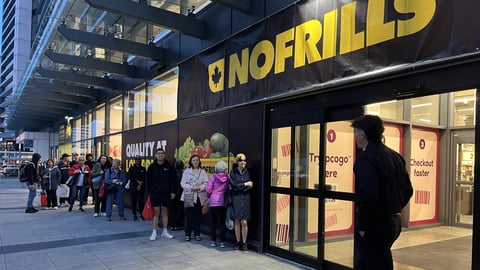
El Niño, seafood supply, tariffs among emerging pressures on Canada’s food system: Loblaw


Loblaw Companies is eyeing emerging pressures that could influence food costs in the months ahead—from El Niño to seafood supply and the U.S.-Canada trade war.
The food and pharmacy retailer’s September Food Inflation report says Canada’s food system remains under strain from commodity markets, freight, supplier costs, currency fluctuations and trade uncertainty.
Loblaw says it’s also preparing for the ramifications of the forthcoming "super El Niño" event, which can “influence crop yields and commodity markets, making food costs more volatile in the months ahead."
On the tariffs front, Loblaw says Ottawa’s counter-tariffs are expected to have a more limited impact than previous rounds, though the rate itself is higher.
The company highlighted U.S. cheese, baking mixes, doughs, cosmetics, household paper and some hair care products as categories that could see additional cost pressure.
Loblaw recently reintroduced its “T” symbols to help customers identify products affected by tariffs.
“We will continue to highlight Canadian-made and Canadian-prepared products wherever possible. Together with ongoing sourcing efforts, these measures are intended to help customers make informed choices and continue finding value at the shelf,” the company says.
Loblaw also expects large cost increases for certain wild-caught fish, including haddock, cod and canned pink salmon, as reduced fishing quotas and lower harvests tighten global supply.
Farmed Atlantic salmon and tilapia remain well supplied, the report says, making this a species-specific issue rather than broad seafood inflation.