
From forgotten bananas to supper saves: The rise of top-up shopping
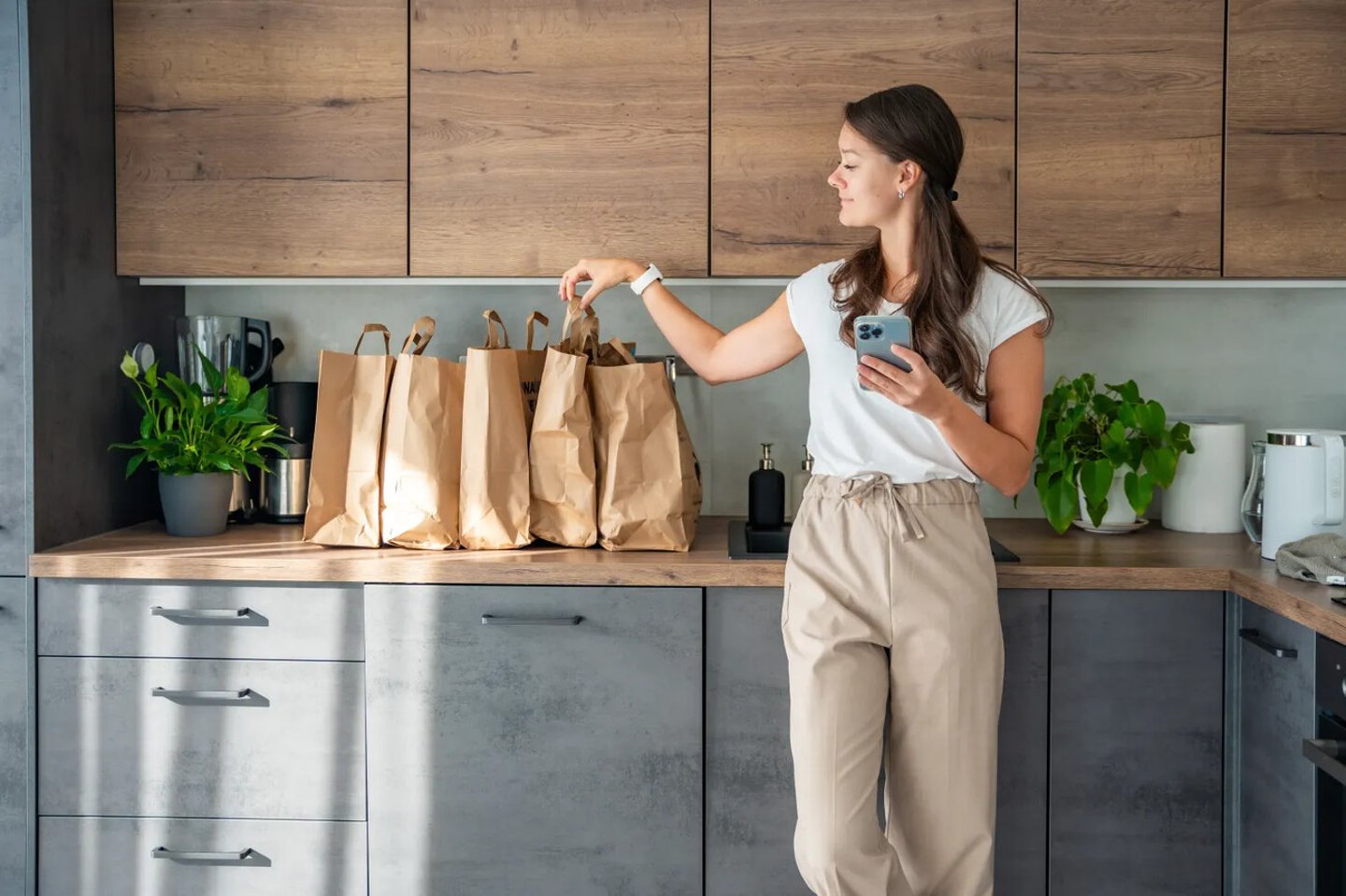
When Skip recently announced its partnership with Loblaw, it signalled the growth of the top-up shop segment—high-frequency, smaller-basket grocery runs, typically in the middle of the busy week.
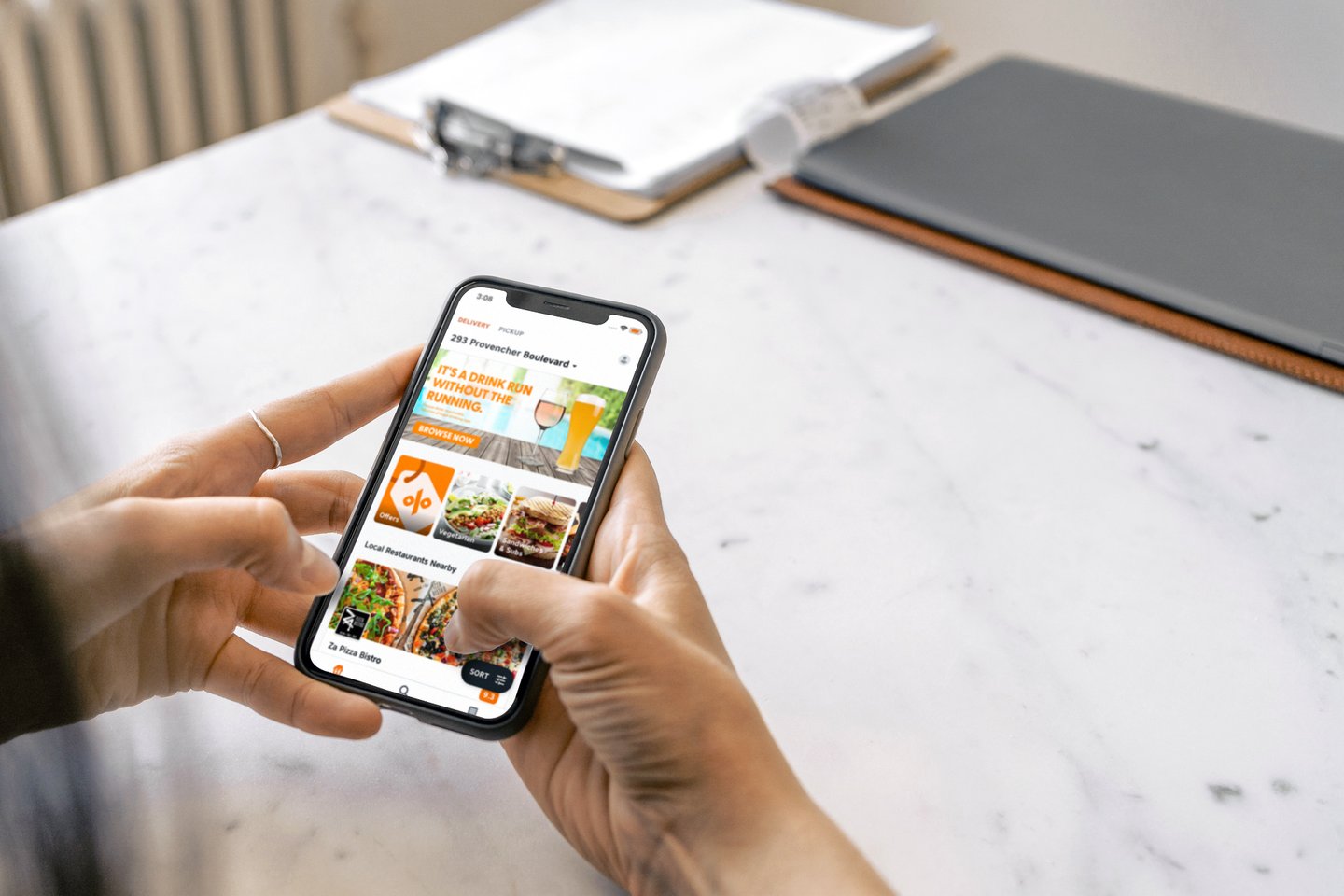
This top-up shop segment is increasingly moving to digital platforms, and by adding Loblaw banners like No Frills and Real Canadian Superstore to a roster that already includes Walmart, Dollarama and PetSmart, Skip is leveraging its existing infrastructure to capture this critical segment of the Canadian retail market.
Top-up or filler trips don’t replace big-haul weekly shops, but answer the urgency of a missing ingredient, a late-night craving or a “need-it-now” essential a shopper didn’t realize they were out of.
"We see from consumer behaviour that Canadians are increasingly interested in being able to quickly get their groceries for midweek top-ups—from replenishing fresh produce to reacting to unexpected plans,” said Avery Ironside, senior director, marketing & growth – online grocery at Loblaw.
Top-up shopping is not entirely new, but rather an acceleration of existing shopping patterns that have been evolving over the years, says Ramesh Venkat, director of the David Sobey Retailing Centre at Saint Mary’s University in Halifax. “Before the advent of large supermarkets, people bought in smaller quantities in local neighbourhood stores. It's less about the emergence of a completely new behaviour and more about the acceleration and evolution of an existing one.”
Now, the rise of technology has significantly amplified this behaviour. “Digital platforms, same-day delivery and subscription services have only made top-up shopping a more common and streamlined choice,” says Venkat.
READ: The new anatomy of value
“It’s tied to those in-between moments. It could be realizing you’re out of something while guests are over, running out of an ingredient while cooking, or simply not having time to get to the store midweek,” says Paul Sudarsan, SVP of Partnerships, Skip. “These moments are often small but stressful, and that’s what Skip is there to resolve. We’re solving the 'We’re out of milk' crisis in real-time and giving Canadians time back . . . without disrupting their day.”
What’s driving the rise of top-up shopping? Venkat says the external factors driving this consumer behaviour include consumer time pressure, urbanization, smaller households and inflation.
“With busy lifestyles, particularly in urban environments, people are more likely to shop in smaller bursts to save time,” says Venkat. “Urban areas tend to have higher population densities, smaller living spaces (less storage) and better access to convenience stores or delivery services. We see this in cities like Toronto.”
Says Sudarsan: “The 'weekly grocery haul' isn't enough for busy families anymore, and people need a safety net for those mid-week gaps. They’re shopping more frequently for fewer items to avoid waste and save time.”
Meanwhile, as family sizes shrink and more people live alone or in small households, the need for bulk purchasing decreases, while inflation also influences basket size.
“Inflation pressures have made consumers more price-sensitive, and top-up shopping allows them to purchase only what they need at any given moment,” says Venkat. “Shoppers can control cashflow better. At the same time, this might cause them to buy in smaller packages, where they could pay more per unit.”
While the rise of top-up shopping creates opportunities, it can also present challenges.
READ: DoorDash adds Empire banners to delivery network
Small baskets often have a lower average order value, but retailers may benefit from increased frequency of visits: Usually shoppers who go to pick up two things might walk out with a few more items in their basket. This impulse buying is more common with in-store trips, but in-person or online, frequent purchases can create logistical headaches, says Venkat.
“For physical stores, it means more frequent restocking, more crowded stores, and potentially higher operational costs,” he says. “For delivery-based businesses, more frequent, smaller orders can lead to higher delivery costs per unit, especially if delivery minimums are low and consumers only buy a few items.”
Retailers need to balance the costs of frequent replenishment with the potential for more regular customer interactions and higher sales volumes. “Those who offer convenience, like same-day delivery or quick pickup options, could capture a higher market share, but profitability will depend on their ability to manage logistics efficiently.”
By partnering with retailers like Walmart, Loblaw, Rexall and Dollarama, Skip aims to ensure top-up shoppers have access to brands they know, love and trust.
“We recognize that shopping habits in the Maritimes look different than they do in the Prairies. We’re ensuring Skip feels like a digital extension of the aisles people already know by heart, making these community anchors accessible in real-time across every province,” says Sudarsan.
On the topic of value and pricing, Venkat says, “Higher income consumers are more likely to use delivery services. These services have fees and add tips on top of that. If delivery costs are subsidized, it may appeal to lower income households as well.”

