
Reality bites: The new anatomy of value
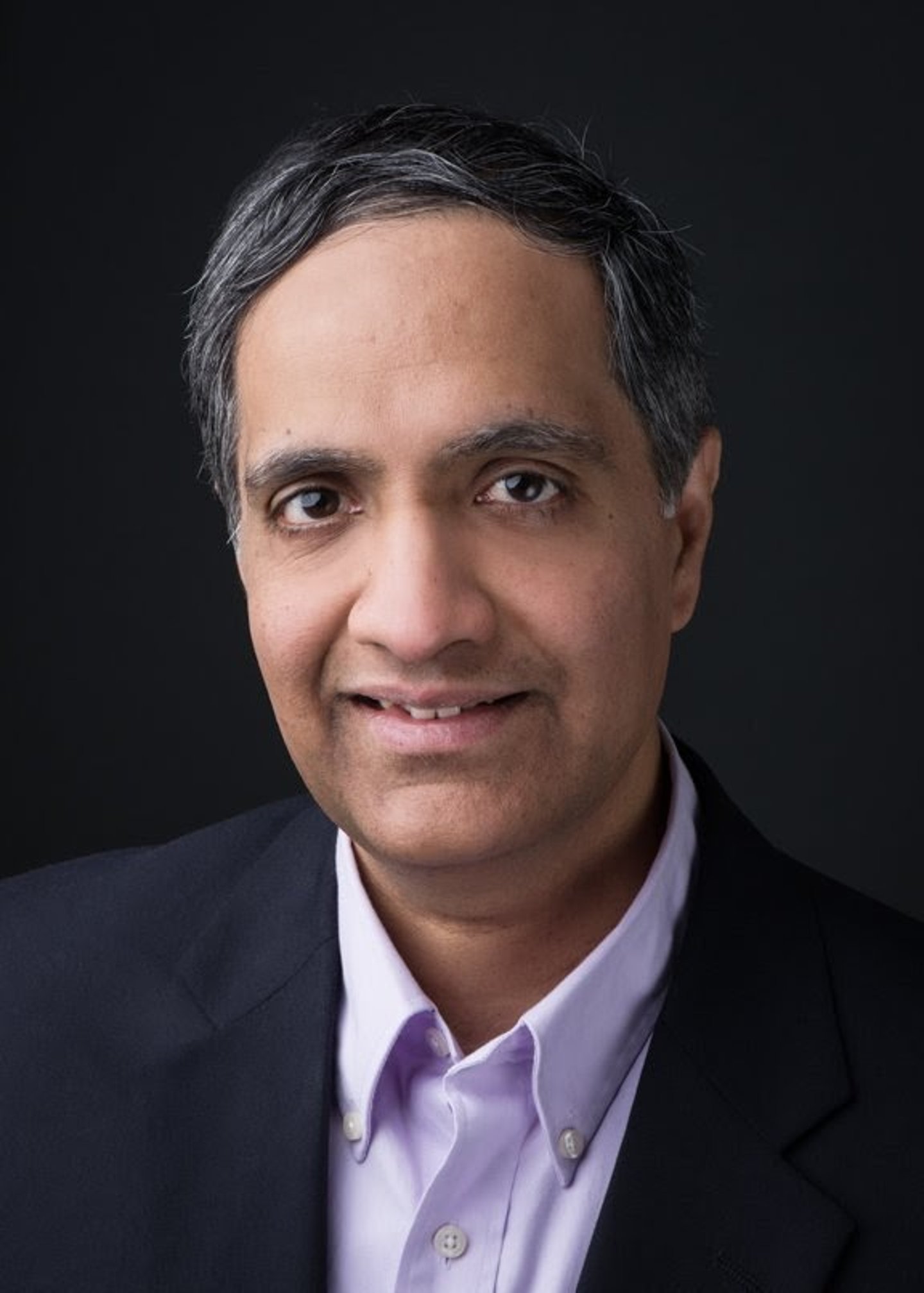
Food prices are still rising and value remains under scrutiny, making shopper loyalty harder than ever to earn. At the same time, rapid advances in artificial intelligence (AI) have reshaped how consumers discover products, while both convenience and health have become top priorities. Ramesh Venkat, director of the David Sobey Retailing Centre at Saint Mary’s University in Halifax, unpacks how these shifts are changing consumer behaviour. This interview has been edited for clarity and length.
Has sustained food inflation changed how Canadians define “value”—beyond just price?
It has become more challenging to identify value as food prices rise higher than the overall inflation rate, with some shrinkflation happening as well. Often, people don’t notice the package is smaller or the item’s weight has been reduced while the price remains the same. So, value is harder to assess. Based on our shopping history, we all have a reference price in mind; we think milk should be so much, and bread should be so much. But with prices going up, people are struggling with that baseline in certain product categories [and] it’s becoming harder to assess value.
Are Canadian shoppers becoming brand-agnostic or more strategic?
They’re becoming more brand agnostic because it’s about stretching your dollar as much as you can. So, people are less concerned about the brand as opposed to making sure they’re able to provide the basics for their family. Brand loyalty has gone down as a consequence.
How does the consumer decision journey differ between online and in-store?
To some extent, people are also channel agnostic. In each situation, consumers want to know, ‘what’s the best way for me to get the product?’ Online, there’s less opportunity for impulse buying. Typically, you go in with a clear idea of what you want to buy. You might have a list—many of the apps allow you to build your own list—and you’re, by and large, sticking to that list. As I add items to my shopping cart online, I can see exactly what my total is. So, it allows the customer to stay within their budget. Whereas in a brick-and-mortar store, there’s a bit more temptation to pick up items you didn’t plan for, and you don’t know the total cost until you go to the checkout. Sometimes you end up surprised by the bill. I think that’s the difference between the two.
How much of grocery decision-making is habitual versus deliberative in today’s economic environment?
Most people have their regular grocery trip when they buy most of the things they need for that week. Filler trips in the middle of the week—when they run out of something and grab that one item from the neighbourhood convenience store or the drugstore, which is more expensive—are happening less often. People are tightening their belts and planning better to avoid those middle-of-the-week trips.
What emotional or psychological factors would drive a shopper to switch?
People are loyal to a banner based on a number of factors. Today, it's value and availability of product that customers are looking. It's convenience—people aren’t willing to drive or commute beyond a certain distance to a grocery store; customers are looking for something that is close to where they live or work. And every major grocer has a loyalty program. People are collecting points and that locks them in—you don't want to spend half your grocery dollars with another retailer; you want to consolidate everything in one place so that you can get the reward points. These are the things that typically lead people to stick with a particular grocer.
In tough economic times, do private labels help build or maintain trust in a retailer?
Private label is a great opportunity for retailers to demonstrate value. The quality gap between private label and national brands has diminished in many categories—you’re getting a pretty good quality product at a more affordable price. That’s why all the major grocers have strong private-label programs. It’s a great opportunity for grocers to demonstrate value and to build loyalty, because if you like a certain private label, you’ll go to that particular grocer because nobody else offers it.
What behavioural blind spots are grocers missing?
A lot of grocery retail is about efficiency—margins are low and you’re focused on running the business and meeting your targets. But, you must look ahead to where the trends are moving. For example, [being] health conscious is more mainstream. It was once a particular segment of the population, but these days, more people are paying attention to [eating healthy.] The other thing is AI. Grocers are implementing AI programs across their entire value chain, whether it’s on the supply side, the merchandising side or even the marketing side of the business. As for consumers, they’re increasingly relying on AI for recommendations, so grocers should be looking at building that capability into their apps.
This article was first published in Canadian Grocer's February 2026 issue.