Four things to know about blackcurrants
Former outlaw
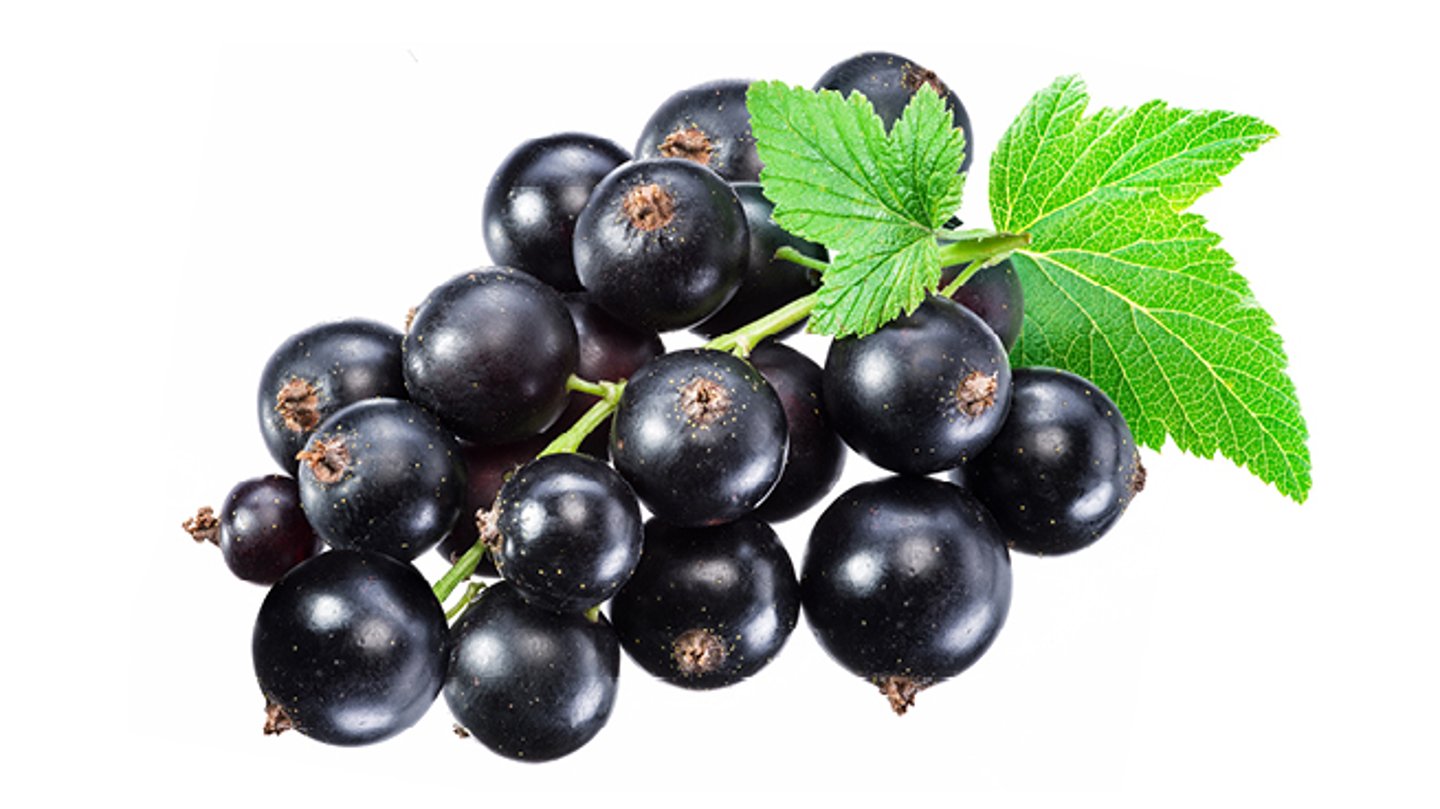
Native to northern Europe and Asia, blackcurrants have had a fraught history in North America. Their shrubs carried a fungus that attacked white pines, prompting a ban in the United States from 1911 to 1966 and discouragement of cultivation in Canada until the 1960s.
The time is now
Blackcurrant is poised for a boost after being named McCormick’s 2026 Flavour of the Year. “Blackcurrant is trending on menus and in kitchens globally,” says Hadar Cohen Aviram, executive chef at McCormick, citing year-long research by the company’s Flavour Forecast team. “We saw it used as a vinegar in Australia, on glazed pork ribs in Singapore, and in cocktails and baked goods across the U.S. and Europe.”
Cohen Aviram describes blackcurrant as having a “deep, regal flavour” that elevates everyday dishes and “pairs perfectly with meats and cheese on charcuterie boards.”
North American food and beverage launches featuring blackcurrant grew at an 8% CAGR between July 2020 and June 2025, according to Innova Market Insights.
Private-label brands are tapping into the trend. In 2024, Farm Boy introduced Black Currant & Olive Artisan Crackers, while Loblaw offers PC Black Label Raisin and Black Currant Artisan Crisps. Though the latter launched in 2011, it “continues to be a fan favourite,” says Catherine Thomas, vice-president, communications at Loblaw.
Currant-ly trending
Blackcurrant is winning over taste buds at Goodness Me! Natural Food Market in Ontario, where it ranks as the second-best-selling flavour for both Maison Riviera’s organic yogurts and Cathy’s Kombucha, says Evan Hall, senior category manager at the chain.
In each case, blackcurrant outperforms several core flavours, trailing only the strawberry or classic options, respectively. “It’s surprising how popular blackcurrant has become when offered by a brand,” explains Hall.
Using blackcurrants from farms in Norfolk County and Norwich Township in Ontario, Cathy’s Kombucha has a growing local supply to tap. “There are more farmers growing it,” says co-owner Marina Kelly, who runs the business with her husband Brady. They are second-generation owners; Brady’s mother, Cathy, founded the company in 2011. The beverage brand is now available in 250 Ontario stores with plans for national expansion within two years.
Kelly says the flavour appeal is partly cultural. “For Polish Canadians, Ukrainian Canadians and others from Europe, it reminds them of drinks they had back home,” she notes.
Cathy’s Kombucha previously offered a redcurrant flavour—which is considered more tart—but phased it out as demand for blackcurrant grew.
Blackcurrant is also making its way into the snack aisle. Concord, Ont.-based Bob Snail fruit snacks offers an Apple-Black Currant Stripe, sold at Whole Foods Market, Goodness Me! and independent natural food stores. While Hall says sales at Goodness Me! still trail sweeter berry flavours, “blackcurrant wouldn’t have popped up five years ago.”
Nutrient knockout
While the blackcurrant’s sweet, slightly tart and rich flavour is driving growing appeal, shoppers are also becoming more aware of its functional and nutrient benefits. In fact, blackcurrants deliver up to 4.8 grams of fibre per 100 grams—more than blueberries and strawberries—along with several times the vitamin C, iron and potassium.
Hall at Goodness Me! notes that blackcurrant is a popular cough-drop flavour and “has been the No. 1 seller by a wide margin for Bach Original Flower Remedies,” he says. “It’s high in vitamin C and fibre, which are trending right now, and has anti-inflammatory and other properties that make it a standout.”
This article was first published in Canadian Grocer's February 2026 issue.