
Get to know the 2026 Golden Pencil winners
The Golden Pencil Award recognizes individuals “who, through career dedication, [have] made a significant and worthwhile contribution to the Canadian food industry.” This year’s honourees— Michael Graydon, Brent Cator and Mike Lovsin—exemplify the confidence, commitment and skill required to make a lasting difference, especially when the stakes are high.
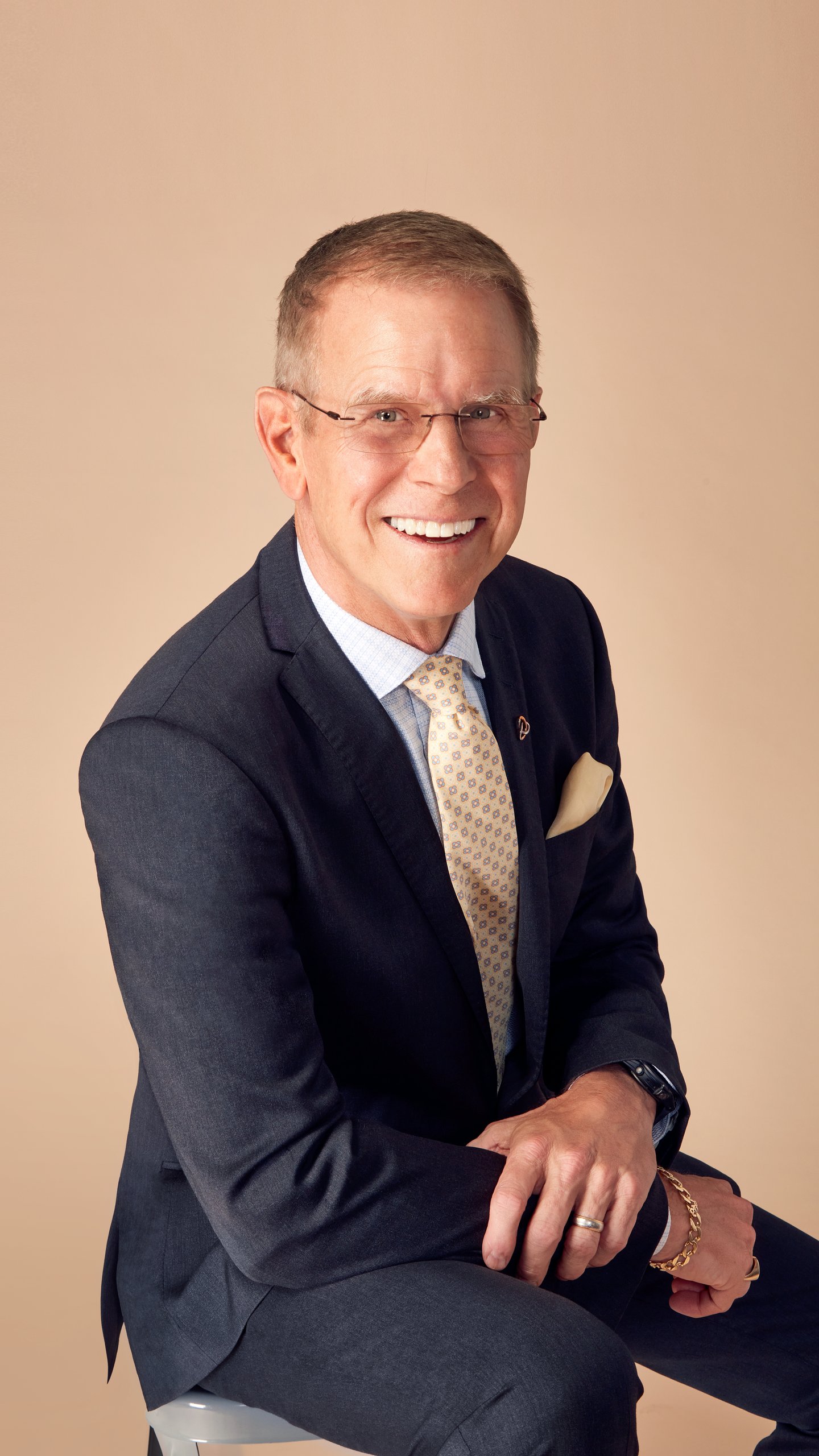
Brent Cator
President and CEO, Cardinal Meat Specialists Ltd.
Brent Cator had a plan.
After graduating from the University of Western Ontario in 1985, Cator intended to gain outside work experience before joining Cardinal Meat Specialists, his family’s meat processing business, which was based in Mississauga, Ont. at the time.
Cator was simply following an axiom of family enterprise. “If you are ever going to be in a family business,” he notes, “bring what you learn on [the] outside in.”
But even the best-laid plans often go awry. Cator started his career as a buyer for Cardinal Meats, hoping to build his resumé for a role outside the company. For the next 41 years and counting, he wouldn’t leave. Instead, Cator helped the company out of financial hardship, modernized its operations and became its president and CEO.
Cator’s father, Ralph, learned about the meat business from his father, Jack, who opened a butcher shop in Bowmanville, Ont. in the 1920s. Ralph co-founded Cardinal Meats in the 1960s.
But Ralph prioritized customer service over financial administration. Eventually, he decided to install a board of directors— which quickly discovered the business was on the brink of bankruptcy.
In helping to improve the company’s financials, Cator did more than just get his feet wet in his early days at Cardinal Meats; he jumped into the deep end, putting aside any plans to leave the company. “I was drawn in,” he says. “I saw the diversity, the things I could do and the part I could play and the impact I could make.”
Cator made his mark on the business in myriad ways. He helped introduce just-in-time inventory to operations. He moved into sales, “knocking on more customers’ doors, bringing solutions to problems they had.” Distribution and logistics were next, followed by leading the company’s production and quality assurance teams.
“With every one of those steps,” says Cator, “I was able to understand the full dynamics of the business better and understand our customers needs a heck of a lot better.”
Cator was named president of Cardinal Meats in 2004, doubling company sales to $60 million within three years while spurring several innovations. The most noteworthy among them are sous vide and stuffed burger proprietary technologies, both of which have been commercialized.
“Even today,” says Cator,“we are the only producer of a stuffed burger that doesn’t explode.”
Cator’s imprint on the industry extends beyond the company’s product innovations and financial success. He served on a Canadian Food Inspection Agency task force that focused on best
practices and regulatory changes for a safer food supply in North America.
More than four decades on from his tenuous start in the business, Cator is content with how it all worked out—and that doesn’t seem likely to change.
“The food industry moves so rapidly. There are so many changing dynamics … It’s what keeps me passionate, the fact that it’s never dull,” Cator says. “I never want to be bored, and this industry certainly is not boring.” —Kristin Laird
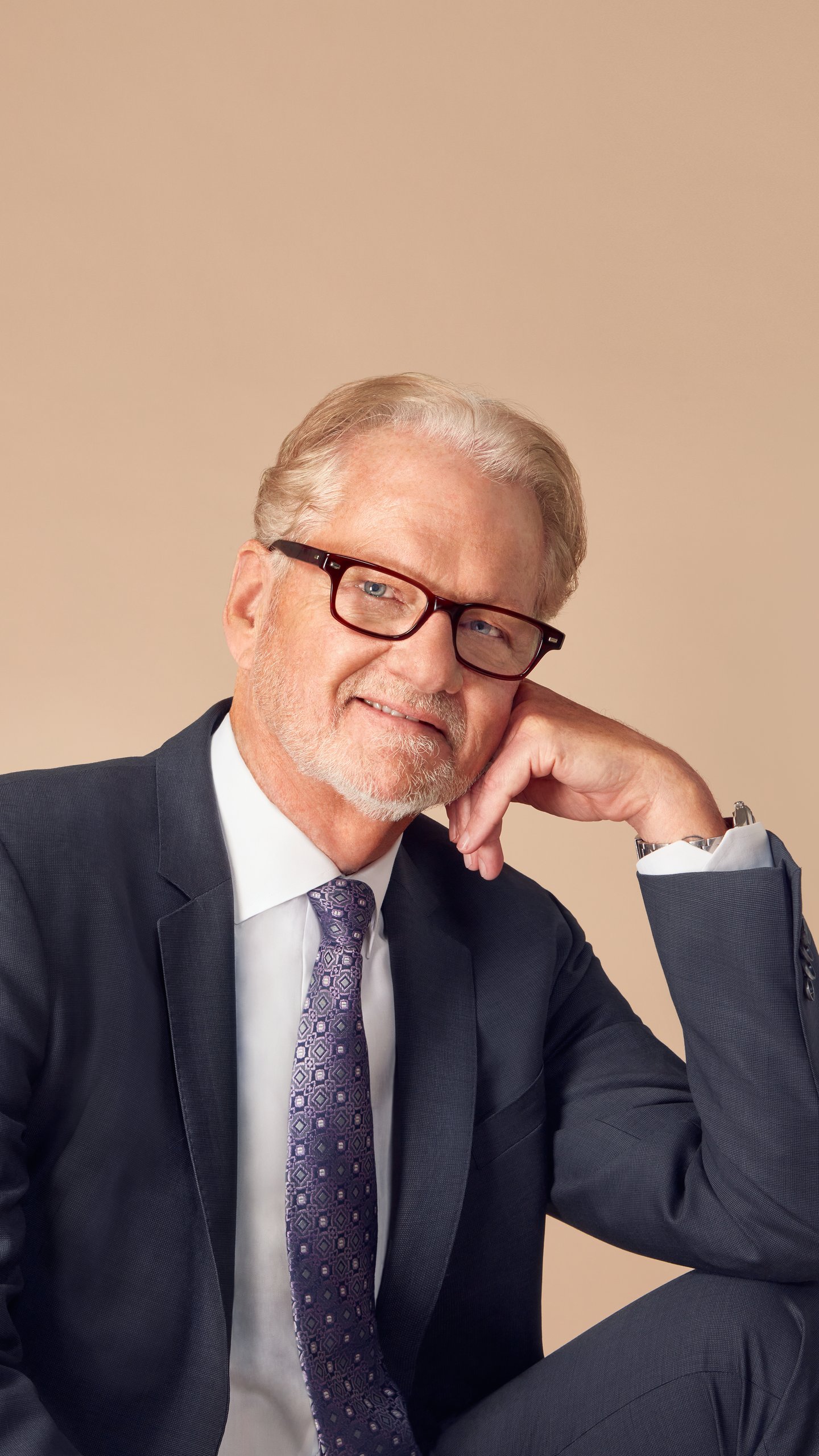
Michael Graydon
CEO, Food, Health & Consumer Products of Canada
For a CEO of a major industry association, Michael Graydon has a surprising resumé. Most association heads are groomed through years of association work or domain expertise in their sector. But when Graydon joined Food and Consumer Products of Canada (FCPC) as CEO in September 2016, he had spent the past 15 years with a resort developer, a provincial lottery and gaming agency, and a retail buying group for furniture and electronics stores.
That diverse background proved to be a blessing for the political science graduate whose first job out of university was driving a motorhome around Southern Ontario promoting Carling O’Keefe beer. Key achievements during Graydon’s FCPC tenure include merger with Consumer Health Products Canada to form Food, Health and Consumer Products of Canada (FHCP), and a recruitment drive that grew the small and mid-sized business share of membership from under 15% to more than 40%. But central to Graydon’s FHCP legacy is the establishment of Canada’s Grocery Code of Conduct, in which he and the association played a starring role.
“I’m very proud of the work we did on the Grocery Code of Conduct,” says Graydon. “That was a long battle.” It was a hard battle, too, given the state of industry relations at the time. In October 2020, Michael Medline, then CEO of Empire Company Ltd., called the relationship between grocers and suppliers “the worst relationship I’ve ever seen in my couple of decades in retail.”
From 2021 to 2023, Graydon and Diane Brisebois, then CEO of the Retail Council of Canada, co-chaired the steering committee that developed the code and attracted signatories. From 2023 to 2026, Graydon served as interim chair of the Office of the Grocery Sector Code of Conduct, the operational body that enforces the code and adjudicates disputes. The steering committee comprised association leaders from grocery suppliers and retailers.
READ: What’s working and what’s next for Canada’s grocery code
As Graydon recalls, everyone—including himself—arrived with a protectionist mindset. But as co-chair, he needed a different approach. “I said to myself, ‘If you’re going to lead this group, then you have to find ways to facilitate solutions and entertain compromises rather than being one of the guys the other side is fighting with.’ And it worked.”
That philosophy traces back to Graydon’s days as a marketing executive for Keg Restaurants in the 1990s, when CEO Colin Stacey gave his younger colleague “the father-to-son talk.” Stacey’s core message: you’ll achieve greater success by devoting less energy to your own ideas and more to the ideas of others. “It was an awakening for me,” says Graydon. Medline, an early champion of a code of conduct, credits Graydon for advancing his position.
“Michael deepened my understanding and helped turn my conviction into a workable solution,” says Medline. “He brought the supplier experience to the table with candour and supported it with extensive research and best practices from other markets, while remaining aware and open to the realities of retailers.”
At 71, Graydon knows retirement is looming on the horizon. He wants to dedicate the next couple of years to building Canada’s economic and food sovereignty, with FHCP at the forefront.
“We have an engaged prime minister and federal government that are keen to attract and stimulate capital investment, but all the big projects they talk about will take five to 10 years to come to fruition,” says Graydon. “Our industry would probably have 80 shovel-ready projects if the conditions improved just a little.” “The government has opened the door. If we don’t walk through it together, at some point it will close.”—Ian Portsmouth
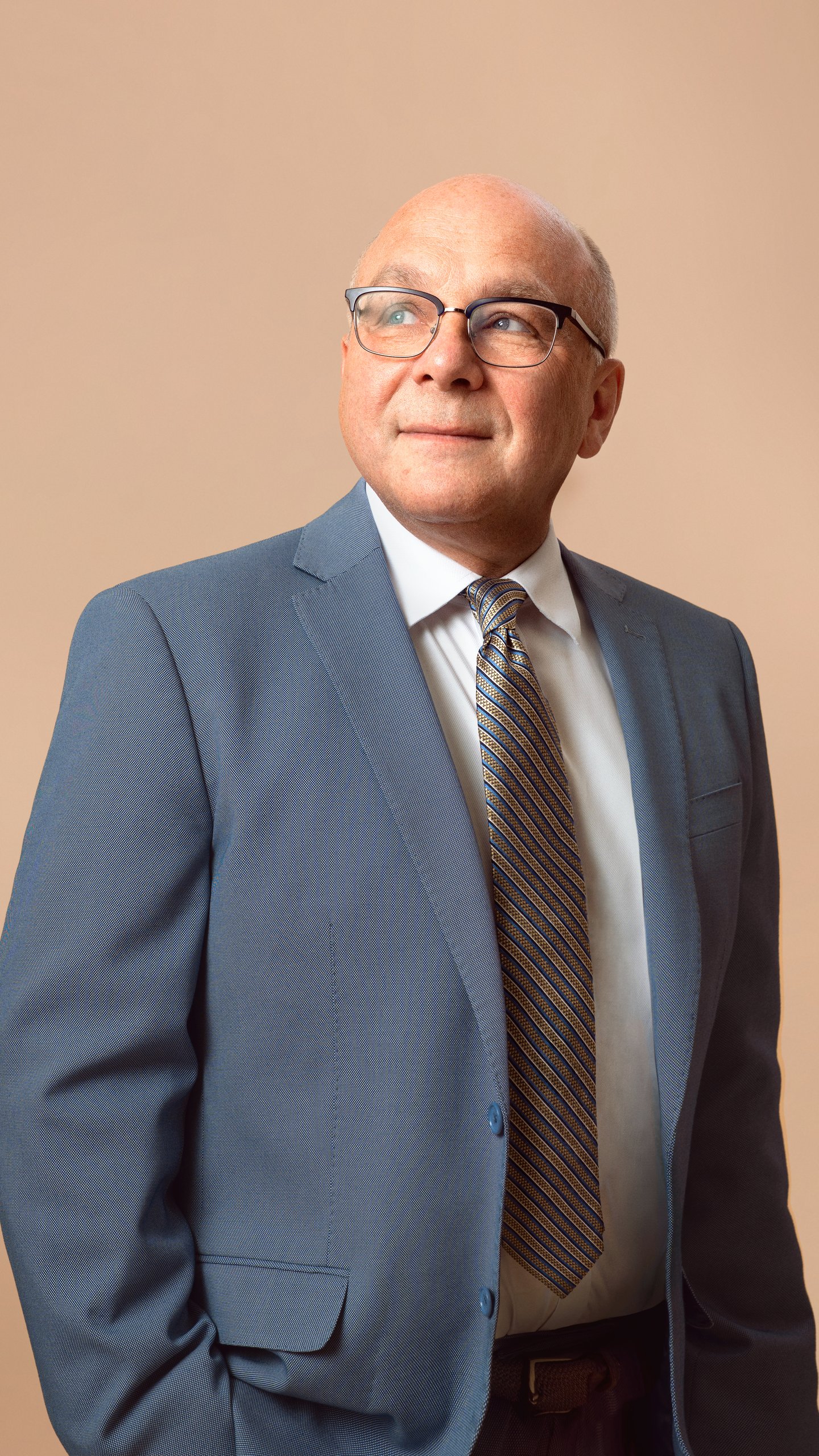
Mike Lovsin
Chairman, Freson Market
At 21, Mike Lovsin knew exactly what he didn’t want to do with his life. He didn’t want to be a grocer. Lovsin had grown up in the grocery business. In 1955 his father, Frank, opened a butcher shop in Hinton, Alta., before expanding to other communities in the province.
Witnessing the long, demanding hours his father and uncle were putting into their stores, Lovsin vowed to chart a different course. “I know one thing for sure,” he recalls telling his father. “I’m never going to be in the grocery business. You guys work too hard.”
But in 1981, as a recent university grad with “limited finances,” Lovsin took a job helping his uncle at the Freson Bros. location in Brooks, Alta. “I told him, ‘I’m just going to work for six months, get some money and go. By then I’ll know what I want to do.’”
Six months later, he still hadn’t found a career path—but had discovered something unexpected: he liked the grocery business. So, when his father asked him to become a partner in a store the family was acquiring in Hanna, Alta., Lovsin said yes. It was the right decision. Over the last four decades, Lovsin has built an impressive career in grocery, playing a key role in expanding the family business, which today boasts 16 Freson Bros. (the retail brand of Freson Market) locations and more than 1,200 employees in Alberta.
By championing local products and adding master butchers, Red Seal bakers and chefs to the team, Lovsin has been instrumental in helping differentiate the stores and ensure they deliver a “unique Alberta food experience.” Over the years, Lovsin has also worked to strengthen the role of independents by lending his leadership and expertise to organizations such as United Grocers Inc., the Canadian Federation of Independent Grocers and the Independent Retail Grocers Association.
Lovsin, currently chairman of Freson Market, chalks up his success to several factors, including his rural Alberta upbringing. Growing up five hours north of Edmonton, there was little opportunity to wait days for so-called experts from the city to come solve problems.
“We had to fix problems that arose in our business by ourselves,” he says. “We were resilient.”
His father Frank—a 2009 Golden Pencil Award recipient—also had a profound influence on his career. “I consider him to be the best businessperson that I’ve ever known,” says Lovsin. Dad’s most important business advice for his son: “Think fast. Act slow.”
For Lovsin, the importance of giving back is also rooted in family values. His grandmother instilled in him the “look after your family, look after your community” spirit that remains vibrant within the company today. Supporting Alberta communities is a key part of the company’s culture.
Freson Market has long supported charitable causes, including children’s sports and local healthcare initiatives. The latter is especially personal for Lovsin, whose daughter Maria was diagnosed with leukemia 14 years ago.
“As a dad, your job is to fix everything,” he says. “But I couldn’t fix leukemia.” Looking for a way to help, Lovsin got involved with Edmonton-based nonprofit Kids with Cancer Society, serving as its chair for several years. Today, he says, Maria is “doing great.”
Ask Lovsin to name the greatest source of satisfaction from his long career, and he’ll tell you it’s the progress people make within the company. “To see young store managers who started with us as box boys or cleanup kids, now not only running some of our stores, but also running the company, makes me proud,” he says. “Our folks paved the way for us; our responsibility is to do the same for the next generation.”—Shellee Fitzgerald
This article was first published in Canadian Grocer’s November 2026 issue.