
Getting surplus food to the people who need it most
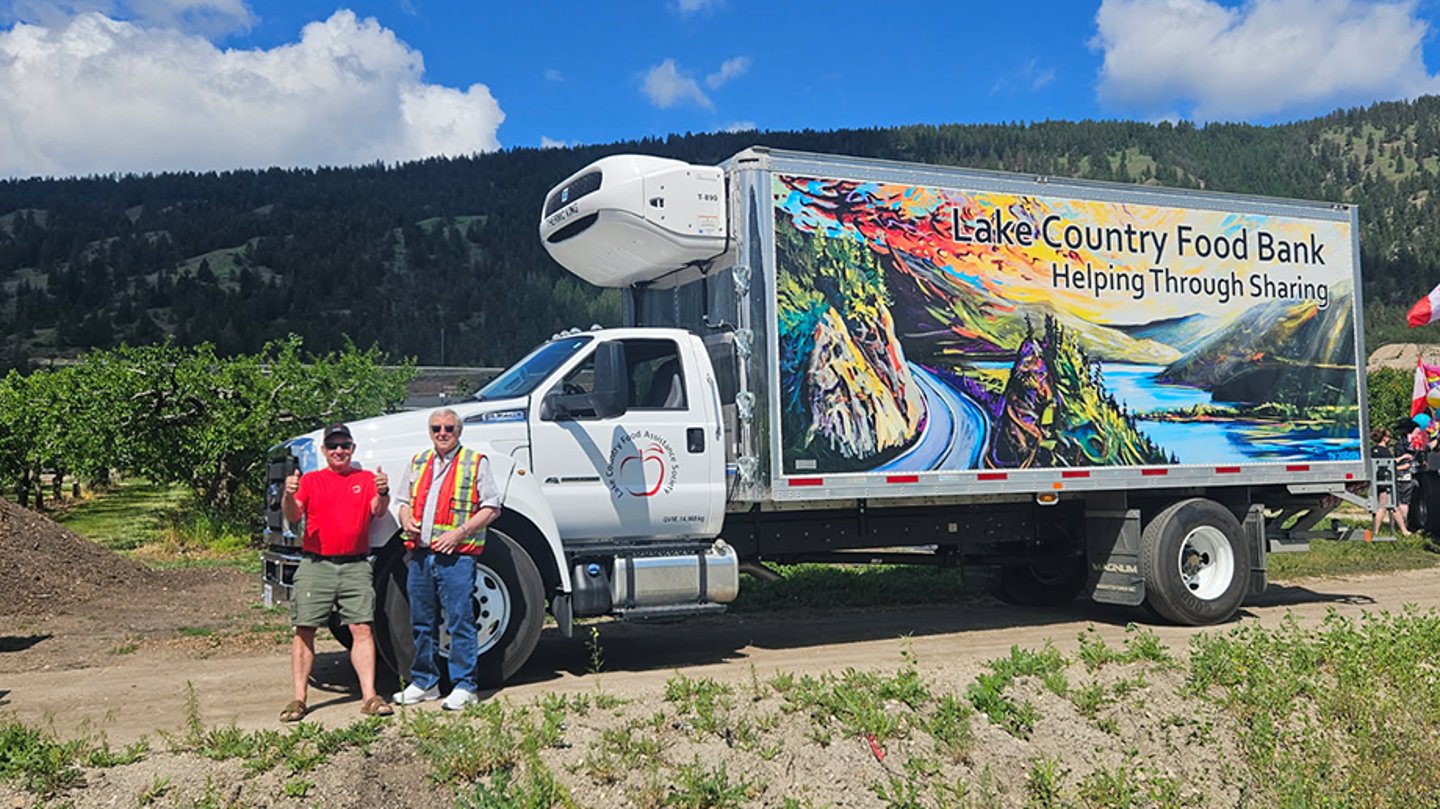
Food banks across the country continue to set new records. This year, they recorded 2.35 million visits in a single month, nearly 9% higher than the previous year, highlighting the scale of the food insecurity facing millions of people in Canada.
It’s a challenge that Food Banks Canada is tackling in partnership with companies at every stage of the food-supply chain.
These partnerships can take many forms: some farmers and manufacturers make regular, planned product donations to Food Banks Canada, while others make ad-hoc contributions such as product overruns. Logistics partners offer Food Banks Canada in-kind storage or transportation services that facilitate food distribution throughout the country. Companies make financial investments in food-bank needs such as equipment or infrastructure, or fundraise for Food Banks Canada through employee and customer engagement programs, as well as cause-marketing campaigns.
In every case, Food Banks Canada works with its partners to create meaningful impact for communities while helping businesses advance their corporate sustainability and social impact goals.
In addition to all these possibilities, the grocery sector has a unique opportunity to relieve food insecurity while reducing food waste. Through national-level partnerships with retailers, Food Banks Canada matches individual stores with nearby food banks to prevent waste. Walmart Canada and Loblaw have been supporting communities across Canada through this food recovery program, known as Food Banks Canada’s Retail Food Program, for over a decade.
Donations can include fresh produce, dairy products, bakery items and other food that remains safe and nutritious but can no longer be sold. Every day, food recovered through the program helps local food banks provide a wider variety of fresh, healthy options to individuals and families facing food insecurity.
Last year, this program recovered over 22 million pounds of food from hundreds of store locations from coast to coast to coast, saving the greenhouse gas equivalent of driving over 143 million miles.
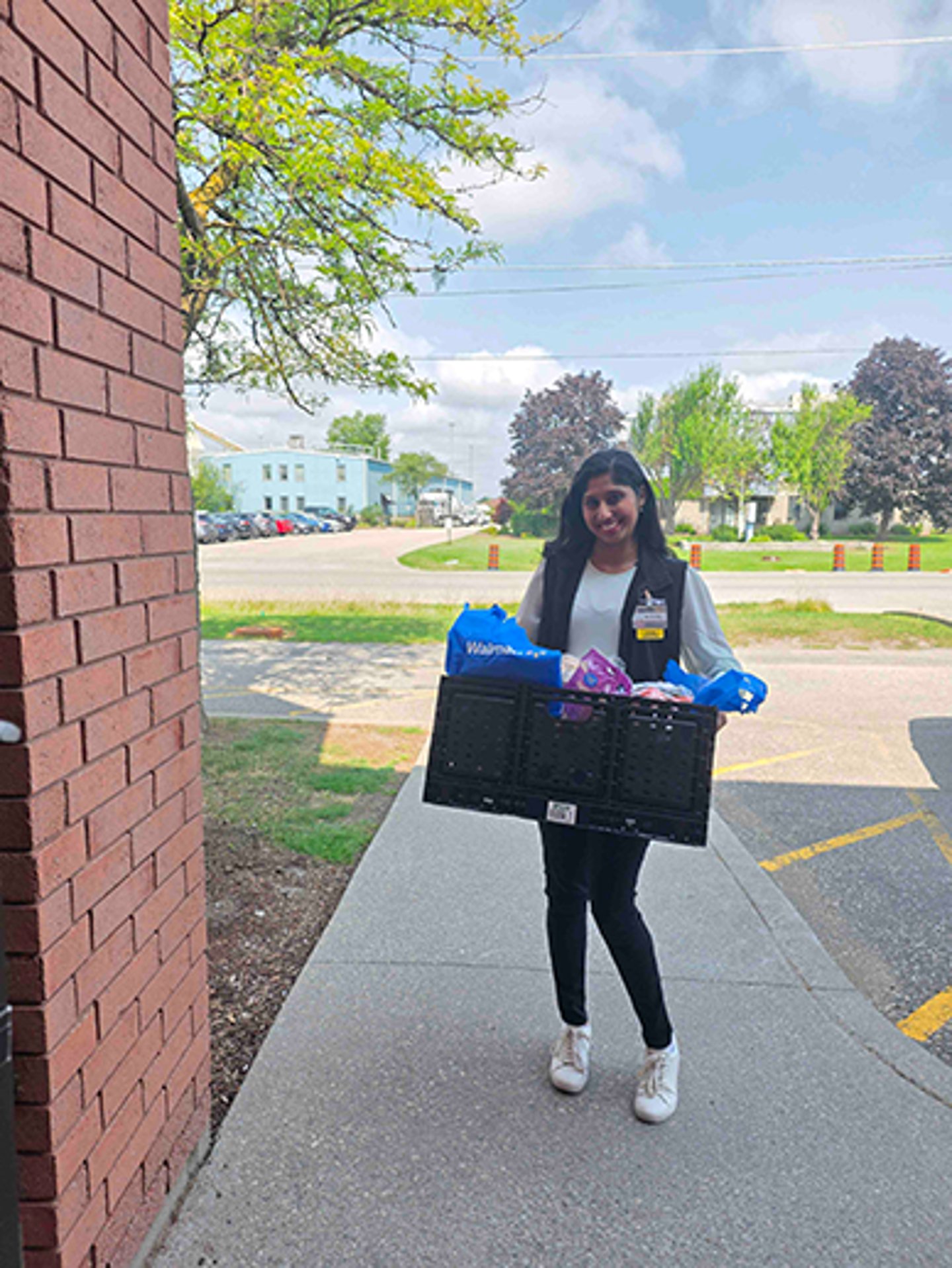
Food Banks Canada celebrates its retail partners on its website, reports and social-media feeds. It also partners with grocers on in-store food drives, checkout roundup campaigns, volunteer events, and food bank tours that showcase the impact of employee involvement while increasing visibility for the retailer’s commitment to food security. Supplier brands often take part as well.
Mutual Benefits
The impact is substantial for both partners. For their part, grocers manage their surplus inventory in a safe and reliable way, preventing waste and ensuring it reaches the people who need it the most. A broad academic and industry research base indicates that meaningful charitable partnerships tend to boost employee retention, brand perception, and customer loyalty.
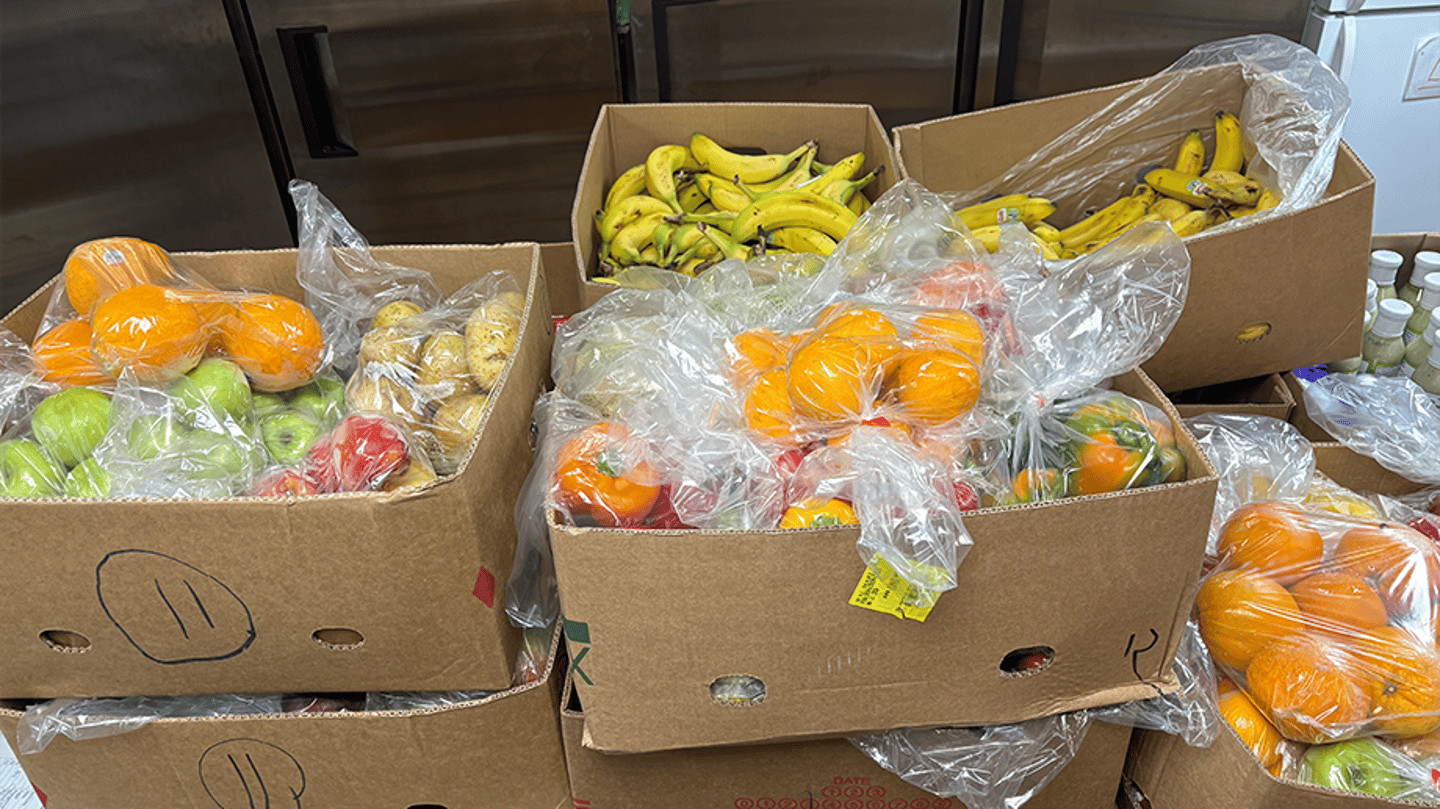
Meanwhile, food bankers are empowered to serve the community better. "The quantity of fresh produce we have been receiving [through Food Banks Canada’s Retail Food Program] is substantial, and it has significantly increased the amount and variety of fruits and vegetables we are able to offer our beneficiaries," writes the Rockland Help Centre, which runs a food bank in Southeast Ontario. "Initiatives like this have a very tangible impact at the local level, and we are already seeing the benefits for the individuals and families we serve.”
Virtually every community with a grocery store also has a food bank or a community organization that's addressing food insecurity: in total, there are over 5,500 such organizations across every province and territory in Canada. That makes food retailers perfectly positioned to boost their sustainability, send a positive message to their communities, and join many other businesses across the food industry in the movement to end hunger in Canada.
Every day, surplus food that might otherwise go to waste helps stock shelves at local food banks across Canada. For retailers, it's a practical way to reduce waste and support their communities. For individuals and families facing food insecurity, it can make a meaningful difference.
Interested in making an impact? Explore corporate partnership opportunities.