
How Daily Bread Food Bank's Neil Hetherington takes the lead
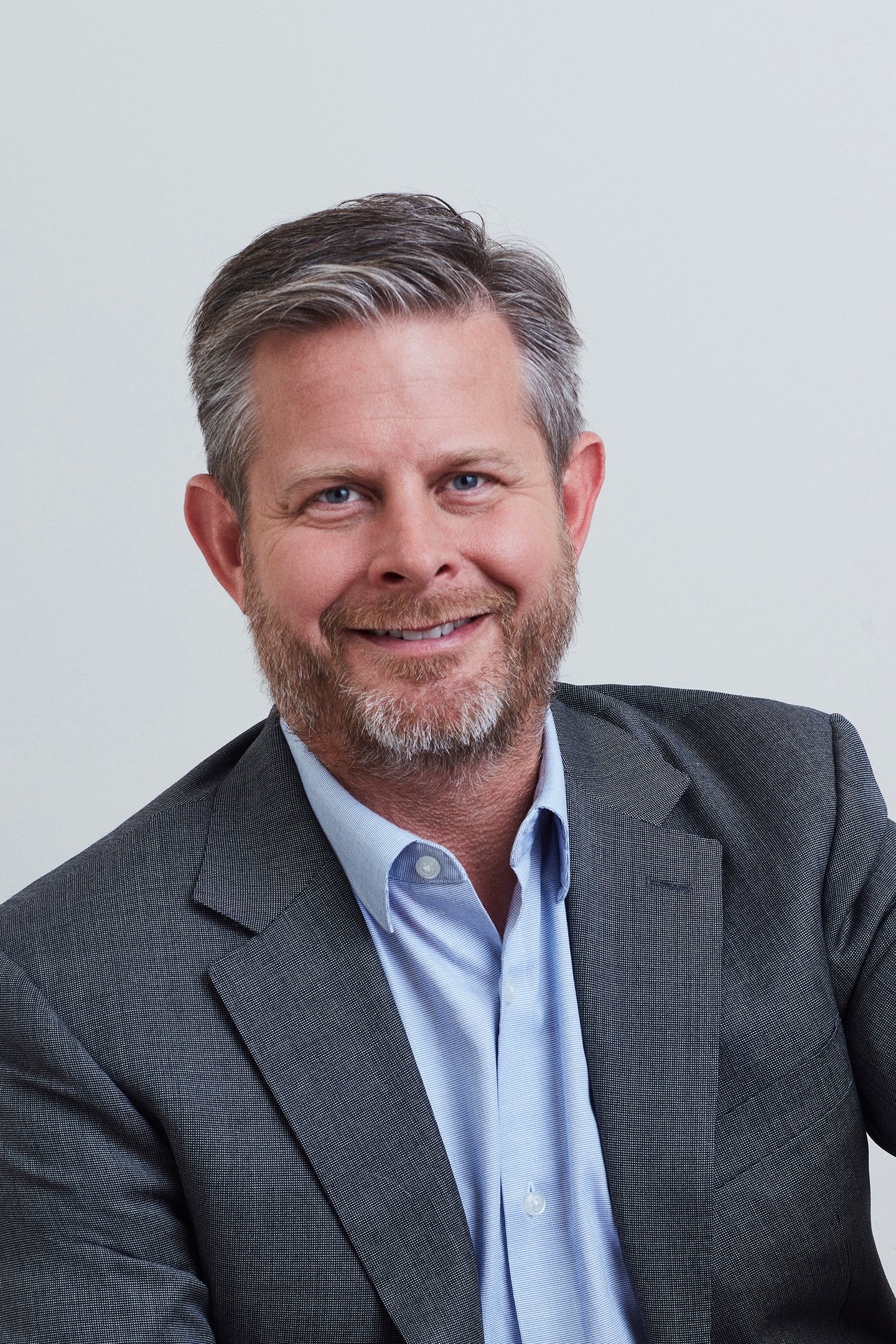
When the COVID-19 pandemic hit, Neil Hetherington was called to the front of his church and asked to stand while the congregation prayed. If Daily Bread Food Bank faltered, the church minister said, tens of thousands of Torontonians wouldn’t eat.
At the time, Daily Bread was serving about 60,000 client visits a month through its central Etobicoke warehouse and a network of nearly 200 food programs across the city. Today, monthly usage has surged to 330,000 client visits as the cost-of-living crisis and food inflation push more households to the brink. “Roughly one in 10 Toronto residents now get their food from the Daily Bread Food Bank,” says Hetherington, CEO since 2018.
In an interview with Canadian Grocer, Hetherington spoke about leading at a time of unprecedented demand—when keeping up can feel impossible—the mentors who influenced him most and the vital role grocers, food rescue partners, farmers and community donors play in sustaining the organization’s supply chain. (This interview has been edited for clarity and length.)
How do you lead when your mission is the difference between someone eating or going hungry?
With a heavy heart of burden. It’s important to take this mission very seriously, but not ourselves. While the mission is incredibly serious right now, if I took you to our production hall you’d see people dancing. You’d hear music. The Essentials 1970s playlist is in my rotation. The challenge is real. But, part of leading well is creating a joyful place to work, even when the stakes are this high. It creates a culture of can-do and necessity and, as a result, people are excited to be part of the mission.
Who shaped you most as a leader?
Three mentors. First, Ed Clark, former CEO of Toronto-Dominion Bank. He fundamentally shaped my leadership style. He spent a lot of time with me, guided me in a significant way and had a permanent impact on me. Second, former U.S. president Jimmy Carter, whom I worked with during my time at Habitat for Humanity International. He embodied servant leadership in a way I’ve never seen replicated. And third, Millard Fuller, Habitat’s founder. He once said, “I want to build a million houses before I die.” And he did it. He wasn’t just a visionary—he executed. There are plenty of dreamers; fewer builders.
Weren’t you the youngest-ever CEO of a Habitat for Humanity affiliate?
Fortunately, or unfortunately, I was put into a CEO position in 2000 when I was 25. I didn’t know what I was doing, but the board chair had a lot of faith in me. The beautiful thing about getting older is that you realize you have a lot more to learn than when you thought you knew everything in your 20s. Hopefully, to the team here, I exude someone who is hungry to do the work, but also humble enough to recognize that he still has a lot to learn.
What did former president Carter teach you about servant leadership?
Humility. I once attended Sunday service in Plains, Ga., and Carter, who lived there, wasn’t at church that day. The bulletin said, “Congratulations, President Carter, on receiving the Nobel Peace Prize.” That’s why he wasn’t there. Flip the page, and it listed volunteer duties for the week. He was scheduled to cut the grass at the church. That image has stayed with me: Nobel laureate. Former president. Grass cutter. Leadership isn’t about status. It’s about service.
Your advocacy work often intersects with grocery retailers. How do you approach those partnerships?
With common ground. One in four Canadians are food insecure. That’s not just a humanitarian issue, it’s an economic one. Retailers need customers who can afford to shop; they need employees who can afford to live near their stores. Affordable housing, reduced precarious employment, better social assistance—these aren’t ideological positions, they’re economic stabilizers. We’re all in this together.
You talked about the high stakes. How do you support staff feeling the weight of the work?
I’ll give you an example. During the pandemic, we asked ourselves: What burdens is our staff carrying? It was fear. Mental strain. Spouses losing jobs. So, we expanded EAP (Employee Assistance Program) support. We created a “rent bank” for employees. We ensured staff could access food in a dignified way. We provided lunches. If someone’s spouse was exposed to COVID and they needed to be isolated, we helped with a hotel room. When you remove non-work stresses, people can focus on the mission. Out of 120 staff, our voluntary turnover is just under 1% per year. We want to make it a good place to work because the mission is so important.
Speaking of stressful situations, you’re a sailor and in 2019 attempted a transatlantic voyage with three other crew members. What did you learn from that experience?
We were sailing from Toronto to Portugal when a rogue wave hit us and we sank in the North Atlantic—the night the Toronto Raptors won the championship. We had to be rescued by an oil tanker several hours away. In that kind of situation, panic doesn’t help. Communication helps. Teamwork helps. Clarity helps. As we were sinking, I made two phone calls, one was to my brother and the other was to my board chair to remind him about the life insurance contingency the board had agreed to honour, since my insurer had declined coverage. There’s a very funny voicemail from that moment. But in a crisis, communication is critical. You have to stay clear. You have to rely on your team. This is what got us through it.
You now mentor young professionals. Why is that important to you?
It’s a quiet thank you note to my mentors. I have three mentees in their 20s. None work for me and that’s intentional because it allows for honest, unfiltered conversation. Mentorship isn’t one-way, it’s reciprocal. They expand my worldview; they help me understand how careers are changing—their generation moves more frequently between roles. My instinct used to be, “Where’s the stick-to-itiveness?” Now I see it differently. They’re still on a career ladder, just built differently. And honestly, the joy I feel when one of them gets promoted—one recently did at UNICEF—is probably greater than any personal achievement. It’s like watching your kid score a goal during a hockey game!
Canadian Grocer's How I Take The Lead series speaks to people from across the industry about how they take the lead on a specific project, initiative or aspect of their job. You’ll hear from grocery leaders about their passions, how they tackle challenges, what they’ve learned and what keeps them motivated. Have a pitch? Send it to our managing editor Kristin Laird.