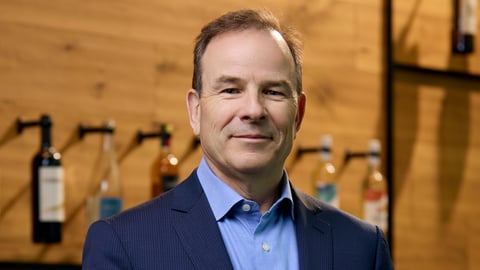
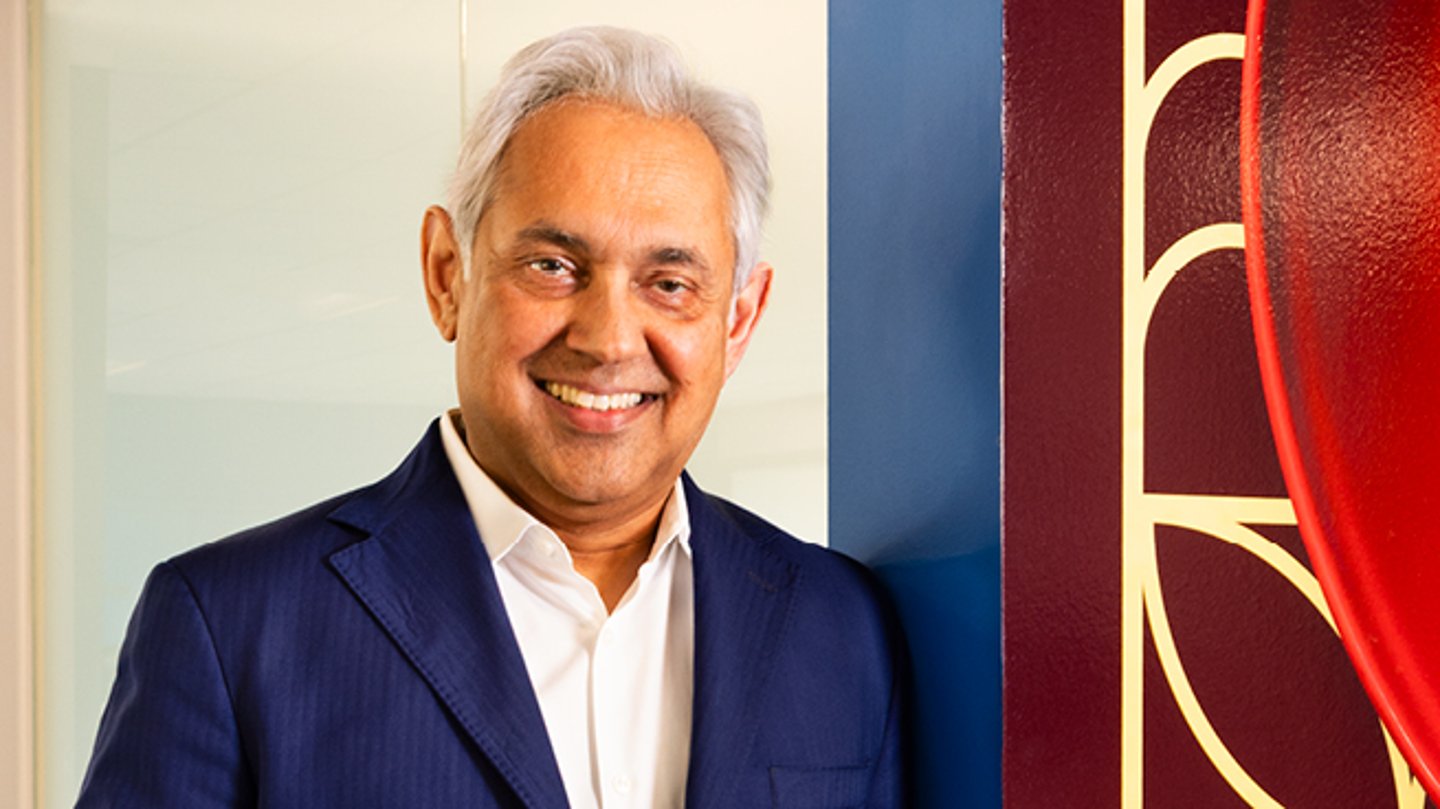
The Leaders: Lessons from Chandra Kumar, CEO of Nestlé Canada

What is your leadership story?
By education, I’m an engineer; I did my MBA at McGill, from there I started working for Procter & Gamble. After a few years, I got headhunted by Nestlé—which was 27 years ago. I started in finance in Canada then worked for the company in Switzerland, in Brazil and in Warsaw, Poland, where I was CFO for the region. I came back to Canada and moved into general management, serving as president of our ice cream and then our confectionery business. From there, I moved to the U.S. and was there for five years managing different businesses, and about seven months ago I moved back to Canada as the CEO.
Is there a particular leadership principle that’s non-negotiable for you?
One that has always stuck with me, which I learned early on, is to “seek to understand before being understood.” And what I mean by that is, as we become leaders, we usually have a point of view on most things in business. But, if you’re too quick to come up with a point of view, whoever you are talking to, they’ll accept that as direction and maybe not [express] what they are thinking. So, hold back in situations and allow others—could be in a meeting, could be a project—to really tell us what’s on their mind, what their perspective is, and then respond.
Like this story? Subscribe to Canadian Grocer's free newsletter!
How have you learned to get the most from your teams/people?
I’ve learned that it’s very important to understand the environment, the context and the culture in which the team is operating, be it in a business unit or a country or whatever, because what works in Poland, will be different from what works in Northern Virginia [where Nestlé’s U.S. business is based]. Different things motivate different people. To get the best out of someone, be it an individual or a team, you’ve got to understand what their intrinsic motivations are. What are their hopes and their fears? And what do they want to get out of the situation? Once you understand that, then you can be with them in empathy, because that’s what will motivate the individual. They want to be the best at what they do—that’s human nature—and they want to be respected and valued, but that’s different based on the culture and context.
How do you manage conflict or differing perspectives within your team or organization?
To have different perspectives at the table is an important thing and something that needs to be nurtured and encouraged. Now, when that devolves into conflict, that’s where leaders have to help the team step back and separate fact from emotion because, usually, when you get to conflict, you get into emotions. You get into deeply held values and beliefs that go beyond the facts of the situation at hand. It’s always good to reground the facts of the situation. Also, be clear on who the decision maker is because a conflict is usually around the situation and decision to be made. Be clear on who needs to make the decision and then empower them to make the decision.
What is one lesson you wish you had learned early in your career?
That it doesn’t matter what level you are in the company, be confident in your point of view and the feedback that you want to give. You’re a smart person and you’ve been hired by the company for that reason and people value your feedback. If you’re diffident and hesitate, then that takes away from the impact you’re wanting to have. Be respectful, be firm and be confident from early on in your career is what I would tell my younger self.
How do you continue to learn and develop as a leader?
There’s a risk in all roles—especially as you become a senior leader—that you spend more time in the office and in meetings or on internal business issues. So, I carve out time to go out to our factories and to go out and meet customers, suppliers and our own people. I make time and it’s intentional in my calendar to be out so I can learn what’s happening in the marketplace. The thing is to get out of the office physically and mentally to open yourself up to all the stimuli and information so you can continue to learn. If I’m asking my team to be the best they can be then I have to do the same; they have to see me walk the talk.
READ: Tips on winning the talent war
What has been your best day as a leader?
When I’m interacting with my employees. We have events that we call Chat with Chandra, in which 10 or so people get together to chat with me in a very safe environment; they can ask me anything. That’s where I feel I get more energized because I’m really talking to the folks in the organization who I don’t get to see on a daily basis. I get to understand what they are hoping to get out of their career, what they want of me as a leader. This helps me stay engaged because one thing I’ve seen is that senior leaders, at times, can be unapproachable or unavailable to their employees, leaving employees to feel [a distance] between themselves and leaders. My best days are when I’m able to connect with my team beyond my direct reports.
Tell us about an initiative or project that you’re particularly proud of.
When I was CFO in Eastern Europe, I put together a pool of high-potential talent from across Poland, the Baltics and other regions to work on common business issues. I’m really proud of that because it gave an opportunity to a person working in Estonia or Latvia or Warsaw to work across regional issues and bring their talent to bear for the company. It gave them exposure and learning, which they wouldn’t have had otherwise. The ability to raise talent and see them develop to be future leaders is what makes me proud.
What is a mistake that you made as a leader that ended up being a valuable learning experience?
We know mistakes are an important source of learning and I’ve had this learning many times in my career. One experience that stands out was being part of a joint venture between Nestlé’s executive team and a partner and our cultures did not match. The Nestlé people retreated into a Nestlé group and the partner did the same. The mistake I made was that I should have tried to bridge the gap and enable us to find a way to work as one team. I wish I had worked harder at that because it resulted in us not being able to deliver on our full potential. We still did well, but we could have done better. It can be uncomfortable reaching out to people and trying to understand their point of view, but you’ve got to push yourself to do it, especially if you’re a leader.
When you leave your current role, what will you have hoped to accomplish?
That I have left a strong bench of leaders who are ready to take my role and other similar roles across the company. That we’ve delivered on our commitments to our consumers, our patients and our stakeholders.
This article was first published in Canadian Grocer’s June/July 2026 issue.