Loblaw rejects ‘hundreds of millions’ of dollars in supplier price increase requests

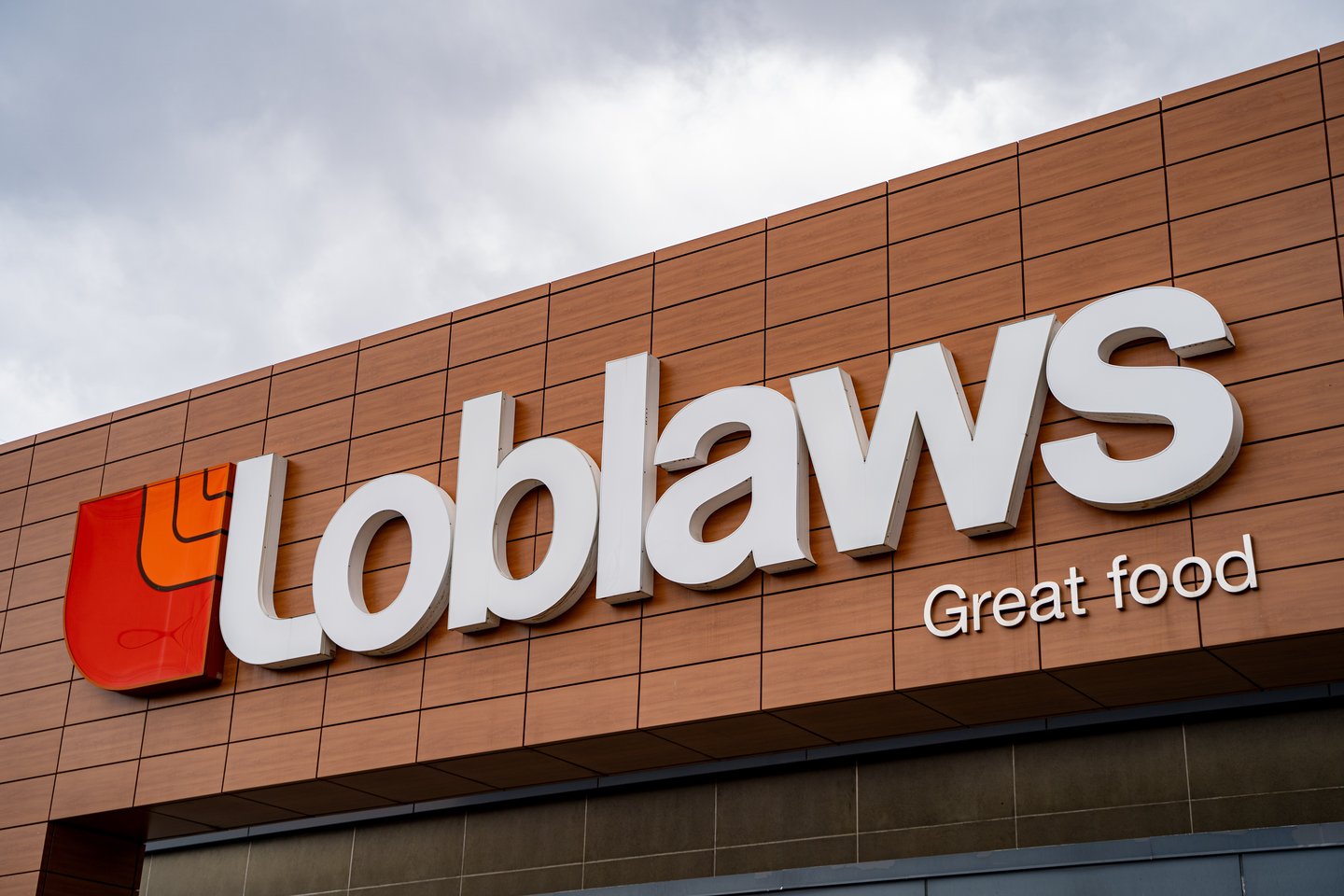
Loblaw Companies said the dollar value of proposed supplier increases is up compared to last year amid rising commodity prices and other cost pressures.
In its fourth quarter, the food and pharmacy retailer saw a 120% upswing in the value of supplier cost increases, even as the number of requests declined 35%.
Loblaw said it is challenging “unjustified” increases and has pushed back on “hundreds of millions” of dollars in proposed costs so far this year.
The company said it is actively managing supplier submissions covering 2,000 items, representing $32 million in proposed annualized increases. Products cover food and non-food, including haircare, baking mixes, doughs and cheese.
In its latest Food Inflation Report, Loblaw attributed supplier cost increases to rising commodity pressures. Eight of its 10 tracked commodities increased in price in September, while rising diesel and freight costs, along with new tariffs, added further uncertainty.
The retailer said Canada’s latest retaliatory tariffs could affect 2,500 products (versus 5,000 in 2025), but at rates reaching 50% (versus 25% in 2025).
At the moment, a few dozen items in its stores have the “T” symbol applied to denote a tariff impact on the price. Loblaw reinstated the symbol in August as the Canada-U.S. trade war reignited.
Grocery prices increased 1.7% year-over-year in September, the smallest yearly increase since May 2024, Statistics Canada reported earlier this month.
Driving the year-over-year slowdown in grocery prices were declines in prices for fresh vegetables (-2.9%) and sugar and confectionery (-2.7%). Prices for other food preparations (1.8%) and fresh or frozen beef (8.7%) rose at a slower pace in September.
Grocery prices have increased 33% since September 2020.