
Meal kits: convenient, but costly
Since the pandemic, meal kits have secured a place in many Canadian kitchens. They offer convenience, inspiration and a sense of novelty at dinnertime, especially when many are back in school. But, despite their appeal, their future remains fragile. High prices, limited customer loyalty and intense competition mean the market is growing, but still far from stable.
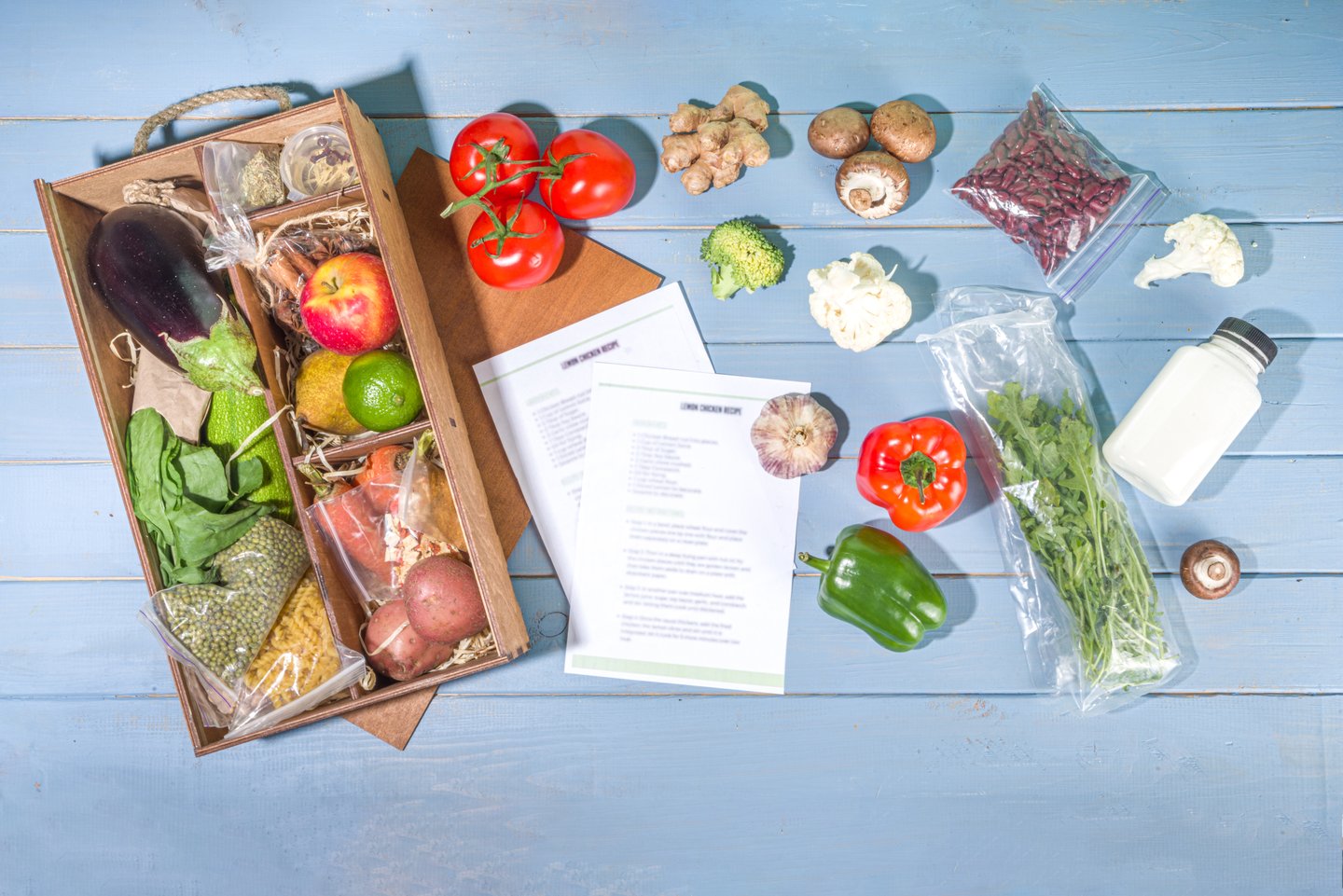
When meal kits first appeared, they were heralded as the future of home dining. Companies such as HelloFresh, Goodfood, Chef’s Plate and Fresh Prep promised to take the hassle out of cooking by delivering pre-portioned ingredients and easy-to-follow recipes straight to the doorstep. At the height of lockdowns, the value proposition was irresistible: no grocery trips, minimal planning and the promise of more variety at home.
READ: Goodfood creates meal-kits with Halifax's The Bicycle Thief
But, the pandemic glow has faded. According to our most recent survey work, the broader food delivery market has now matured. Within it, the meal-kit segment has consolidated around a few dominant players. Yet adoption rates remain relatively modest.
Back in February 2020, just before COVID-19 upended consumer habits, the Agri-Food Analytics Lab at Dalhousie University, in partnership with Angus Reid, surveyed Canadians on their use of meal kits. At the time, 21% had tried a kit, but only 4% were using them regularly. More than 80% of those who experimented walked away, most citing high prices.
By August 2025, in a new survey conducted by the Agri-Food Analytics Lab in partnership with Caddle, the numbers had shifted, but not dramatically. About 8.5% of Canadians were still using meal kits—a doubling from 2020, but hardly a mainstream phenomenon. Most Canadians remain on the sidelines, skeptical about the value.
And the skepticism is justified. Cost is the single biggest barrier. Nearly 69% of lapsed users say they stopped because it was simply too expensive. Another 28% prefer cooking their own way. Fifteen per cent cite excessive packaging as a major frustration. In the 2025 survey, when asked what would make them reconsider, the answer was clear: lower prices. More than half of Canadians want meal kits to be more affordable before they would think about signing up again. Faster delivery, healthier menus and more local options also rank highly, but affordability remains the deciding factor.
So, what is the true size of this market? Depending on who you ask, the estimates vary wildly. Based on survey data, the meal-kit market in Canada could appear to be worth as much as $4 billion. But surveys tend to overstate adoption. In reality, most customers are occasional users who drop in and out. If we factor in actual household spending—averaging between $1,000 and $1,500 per year for subscribers, with a real adoption rate closer to 4% to 6% — the market is likely worth between $1.2 and $1.7 billion. That is significant, but far smaller than headline projections.
External analysts echo this more cautious view. Grand View Research pegged the Canadian market at about $1.5 billion in 2023, with the potential to grow to $4.4 billion by 2030. That forecast assumes companies can solve the industry’s structural challenges: high customer acquisition costs, expensive logistics and the constant churn of subscribers who leave after a few weeks or months.
READ: Metro sells its stake in MissFresh
Indeed, the business model itself is unforgiving. The Canadian market today is dominated by three key players: HelloFresh, Goodfood and Chef’s Plate. Smaller entrants have been acquired or have exited. For new challengers, the barriers to entry are steep. Competition is cutthroat, margins are razor-thin, and the logistics of sourcing, packaging and delivering perishable goods across Canada are daunting. Even the incumbents, despite brand recognition and economies of scale, face relentless pressure to innovate while keeping prices in check.
READ: Goodfood, Aloette Go team on Michelin-inspired meal kits
Yet, the model persists because it taps into genuine consumer needs. Meal kits inspire people to try new recipes, encourage families to cook together and reduce the mental burden of planning dinner. Some consumers see them as an educational tool, especially for young adults learning to cook. Even restaurants have experimented with meal kits, hoping to replicate the dining-out experience at home without the tip or the higher bill. Results, however, have been mixed.
The lesson here is that meal kits occupy a middle ground. They are not a mass-market solution to dinner, but rather a niche option for households with disposable income, curiosity and a willingness to pay for convenience. They offer value, but only for a certain segment of the population.
Unless prices come down significantly, meal kits will remain what they have been since their inception: an appealing but pricey niche. They are here to stay, but only as a small, consolidated corner of the Canadian food economy—not a revolution in how we eat.